Photography

Mount Congreve Gardens I

Mount Congreve

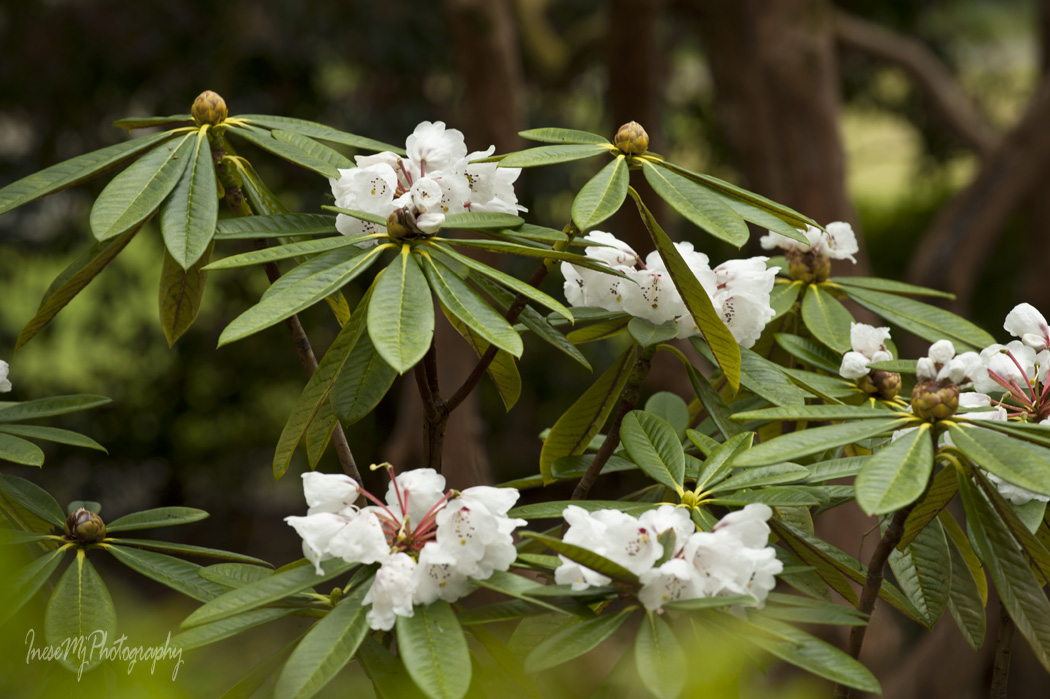
There are the days when you feel no light at all; when you feel no joy in anything you do; when your hopes are challenged. On such days, you have to unplug from anything that drains you, and focus on anything that feels good. What a better place than a beautiful garden to forget your worries and bring you into balance. Especially if it is a garden where something is always flowering, most of the year.

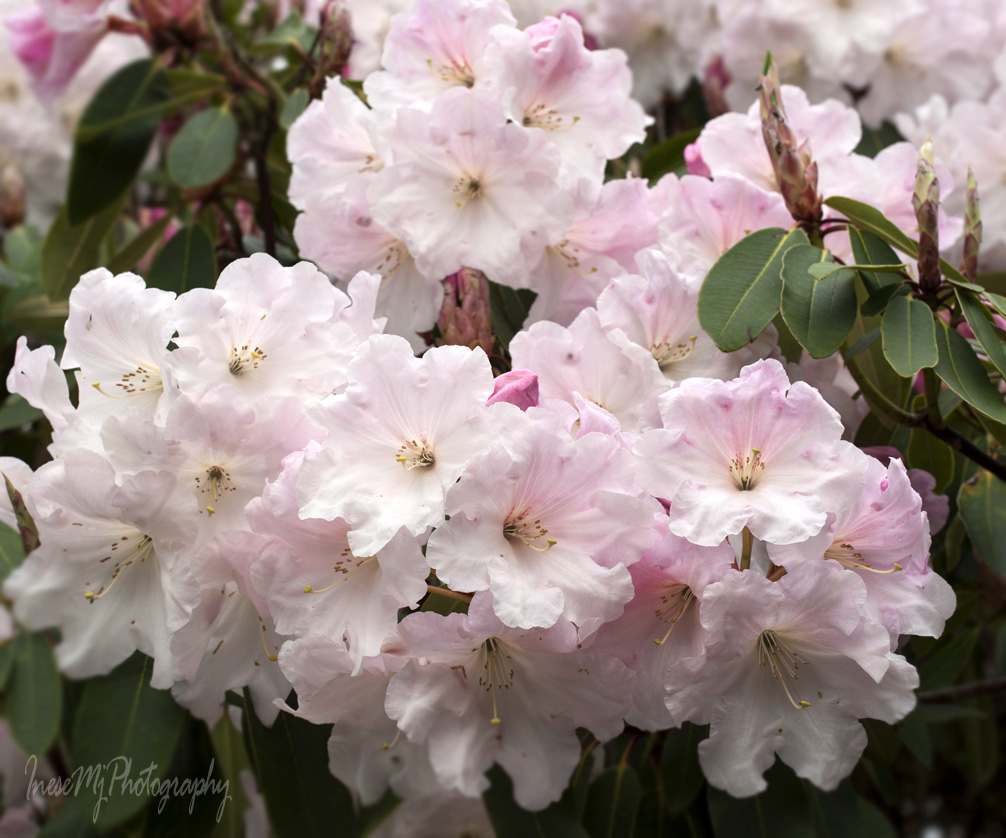
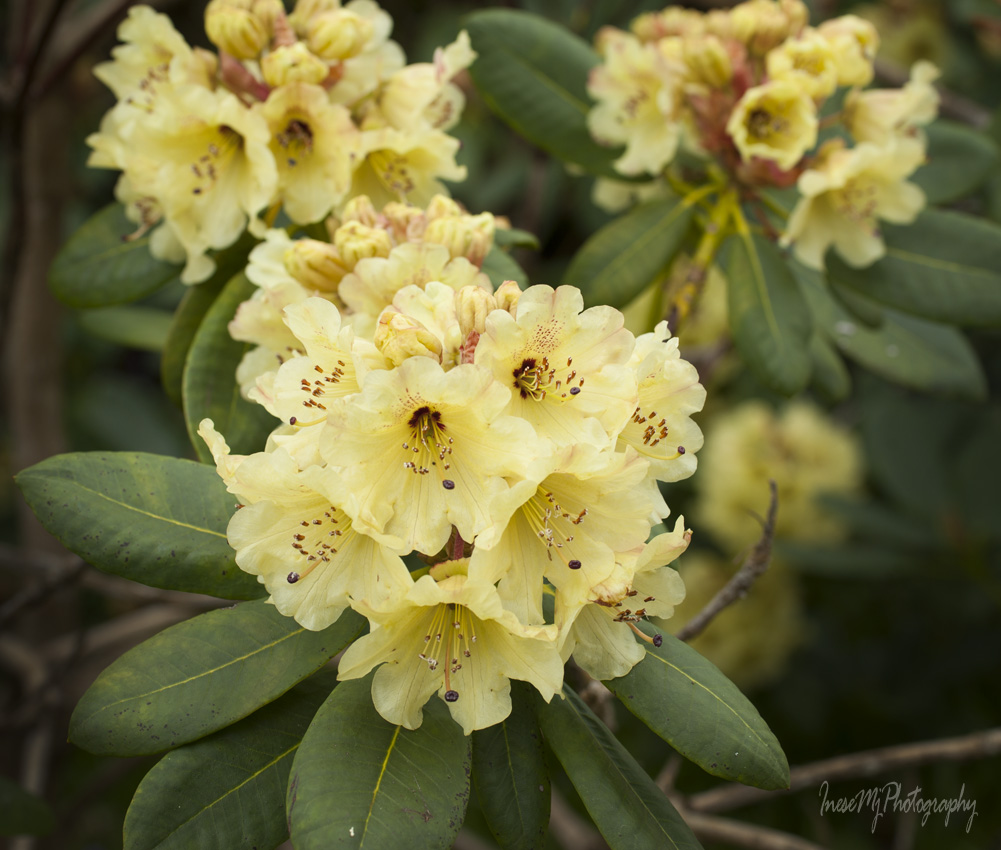
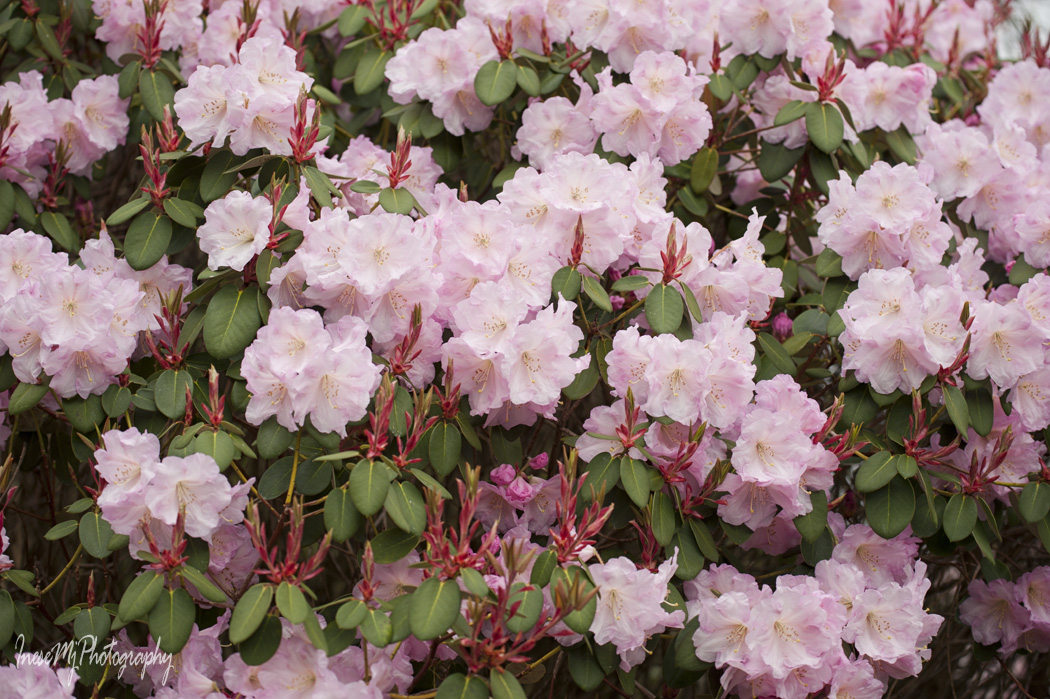
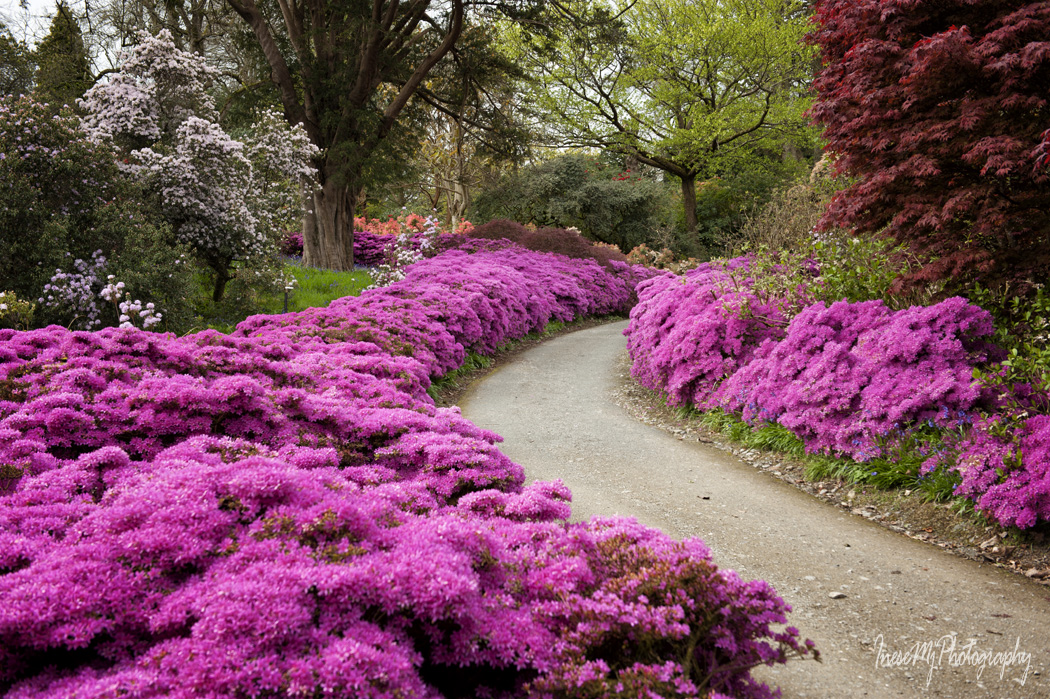
Situated just minutes drive from Waterford city border, Mount Congreve gardens are one of my favorite places to visit in early spring when Azaleas and Rhododendrons are in bloom. They say that there are more than two thousand Rhododendrons in this collection, and also six hundred Camellias, six hundred conifers, three hundred Japanese cherry and Acer cultivars, and more than a thousand herbaceous plants, including rare fuchsias, begonias, orchids, and almost extinct varieties of cyclamen. Some of these plants are so rare that they have been an object of theft as the thieves take cuttings to grow and sell. The staff presented Ambrose Congreve on his hundredth birthday with a Wollemia, a rare tree that was only known through fossil records, and was discovered in 1994.

Ambrose Congreve died in 2011 at the age of 104. He was inspired to plant a garden when visiting the Rothschild Garden at Exbury in Hampshire, England in 1918. Mount Congreve Gardens won numerous awards, including 13 gold medals at Chelsea Flower Show. Ambrose Congreve died of a heart attack while attending this annual show.
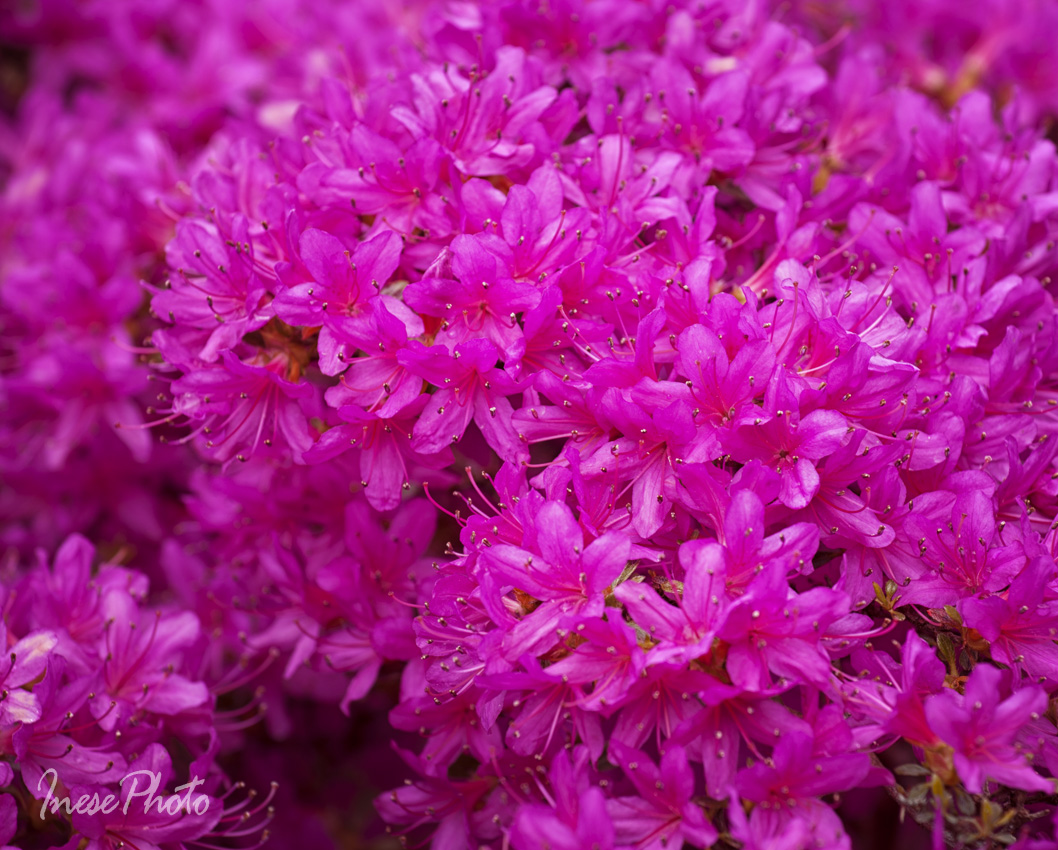
The Congreves had their gardens open to public every Thursday, free of charge. Children under age 12 were not admitted. Currently the Gardens are open from Thursday to Sunday.
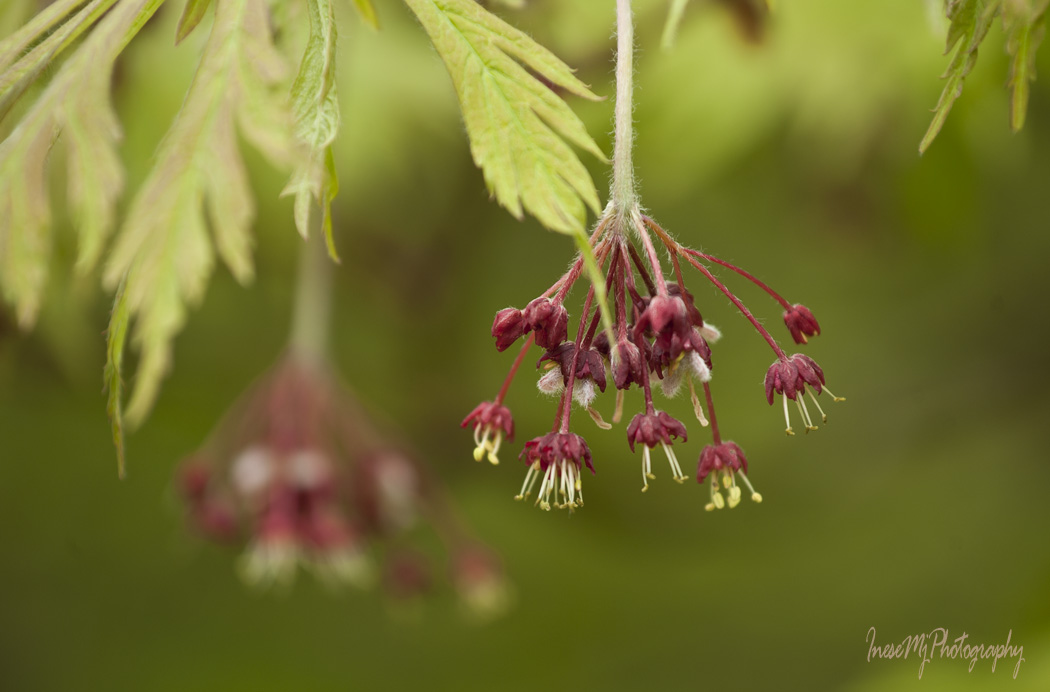
Acer

This video that I found in Youtube was filmed  in 2010.


Skilled and devoted horticultural staff maintain the gardens in perfect form, and also run a wholesale nursery – you can buy a potted plant here. They say that in Mr. Congreve time, music was played in the grounds to entertain the gardeners.

Mount Congreve

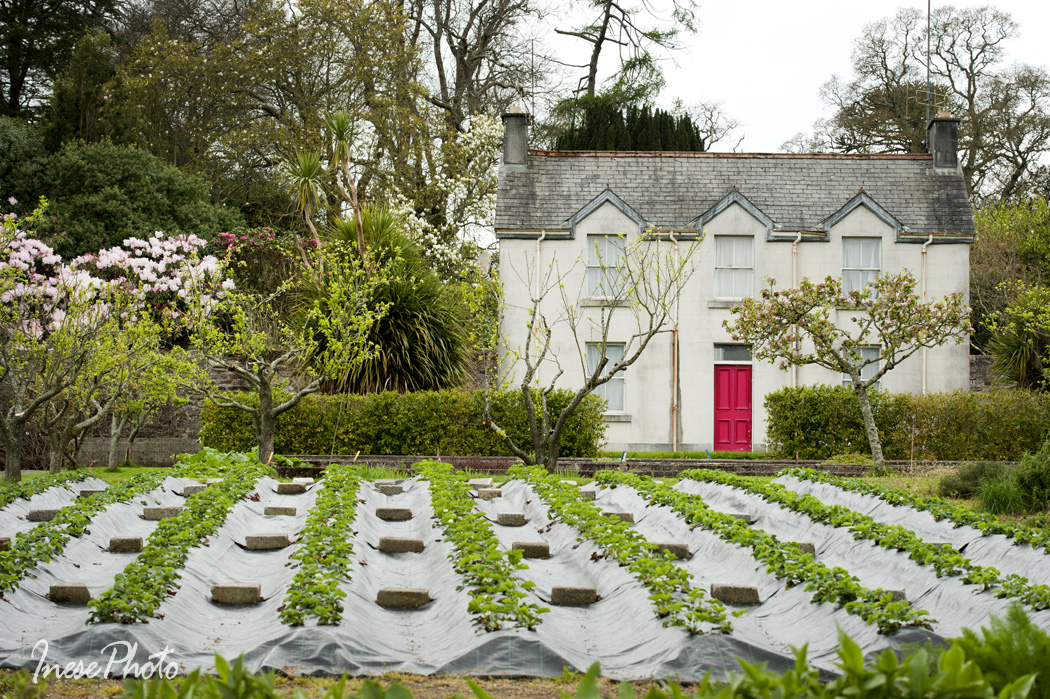
Victorian greenhouse produced tropical fruit for the table.
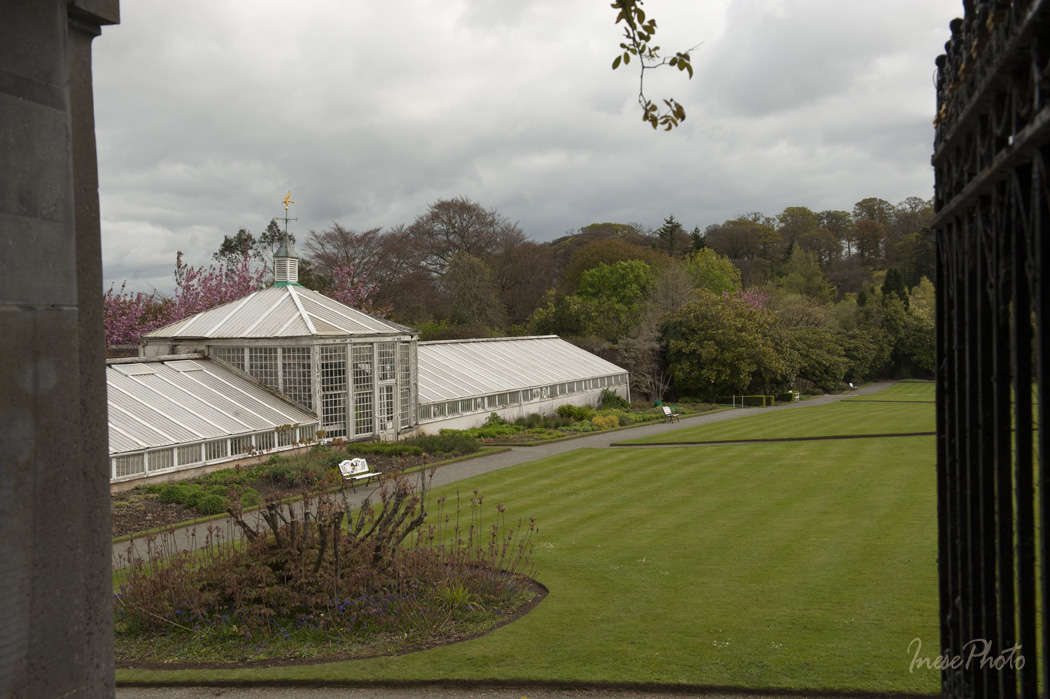
Mount Congreve

Mount Congreve

Mount Congreve

The 18th century Georgian Mansion was designed by the architect John Roberts who also designed both Cathedrals in Waterford and Moore Hall in Co. Mayo. The house is empty and closed to the public as its content, including the Mount Congreve Library collection assembled in the 18th century, were sold by public auctions  –  Christie’s in London and Mealy’s in Waterford in 2012. Ambrose Congreve left the estate in trust to the Irish State, and the ownership of the house will transfer to the State in 2059.

Mount Congreve

Mount Congreve

The gardens will come under State ownership in 2032.

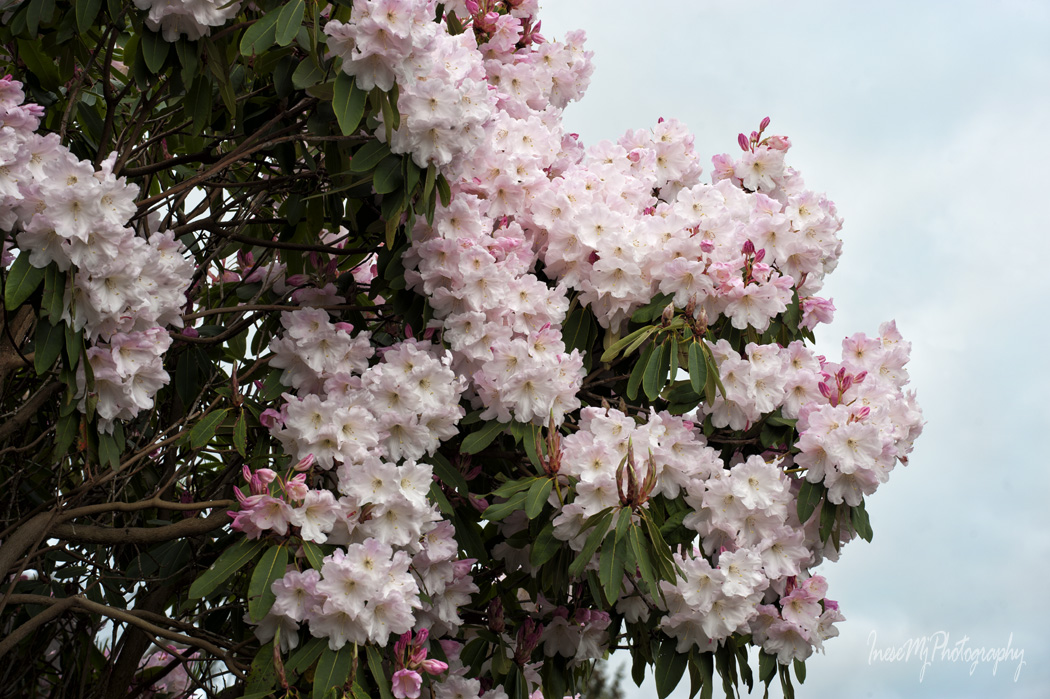
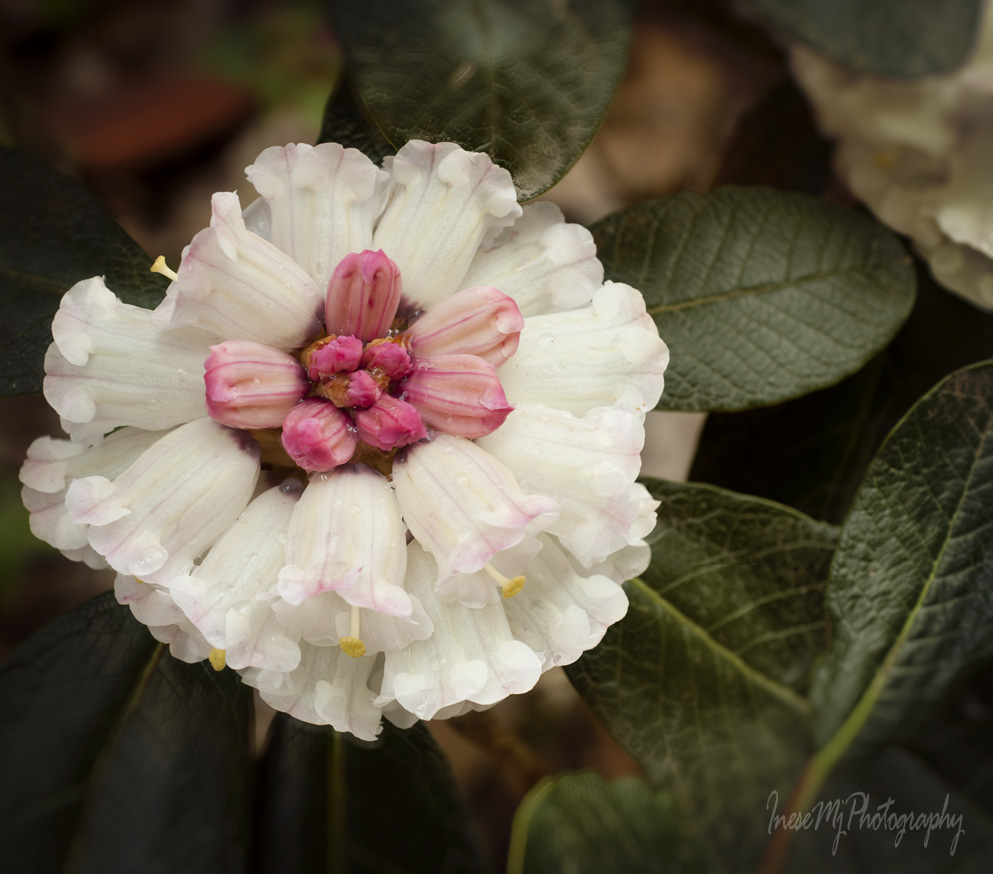
I attached my car key to show the scale. This is Rhododendron falconeri.

Rhododendron sinogrande

Just cannot stop pressing the shutter 🙂
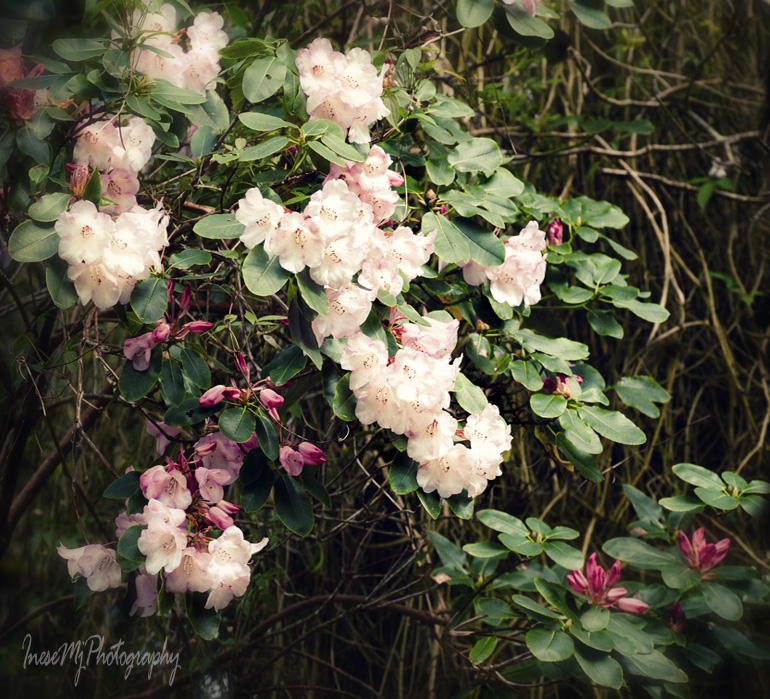
You can see these Magnolias from the Greenway tracks. I already used these two photographs in my previous posts.
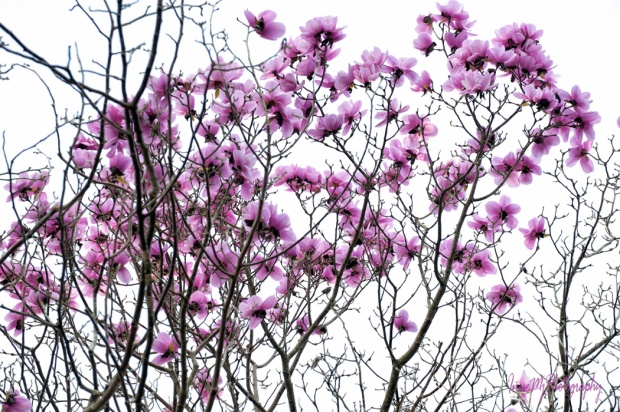
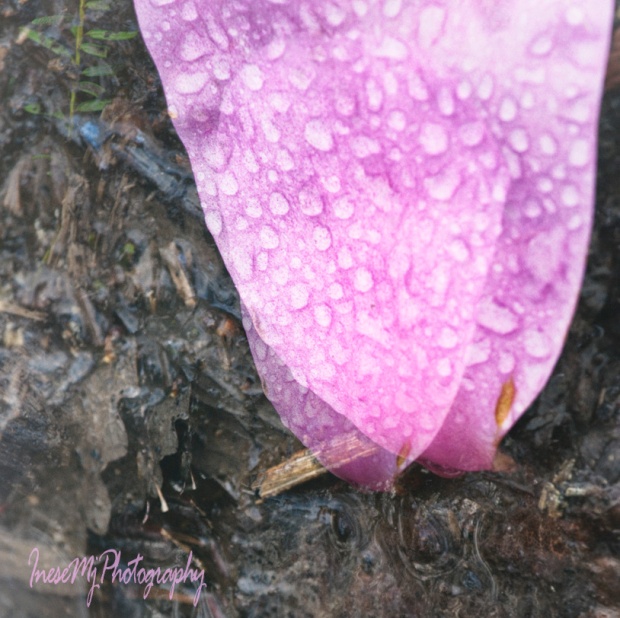
magnolias

magnolias

Chinese Tea House.

Mount Congreve

Wisteria. There are at least fifty of them.
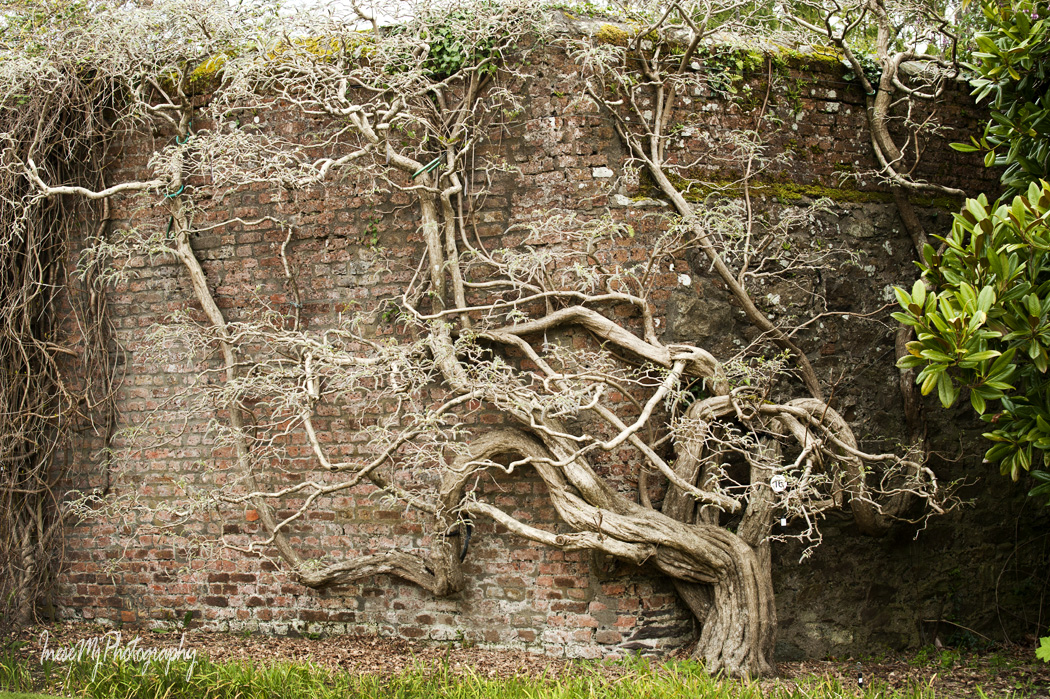
Mount Congreve

In my next blog post I will share more photographs of this early spring walk.

Thank you for bearing with me ❤

www.inesemjphotography.com Have a great week!

The Tower

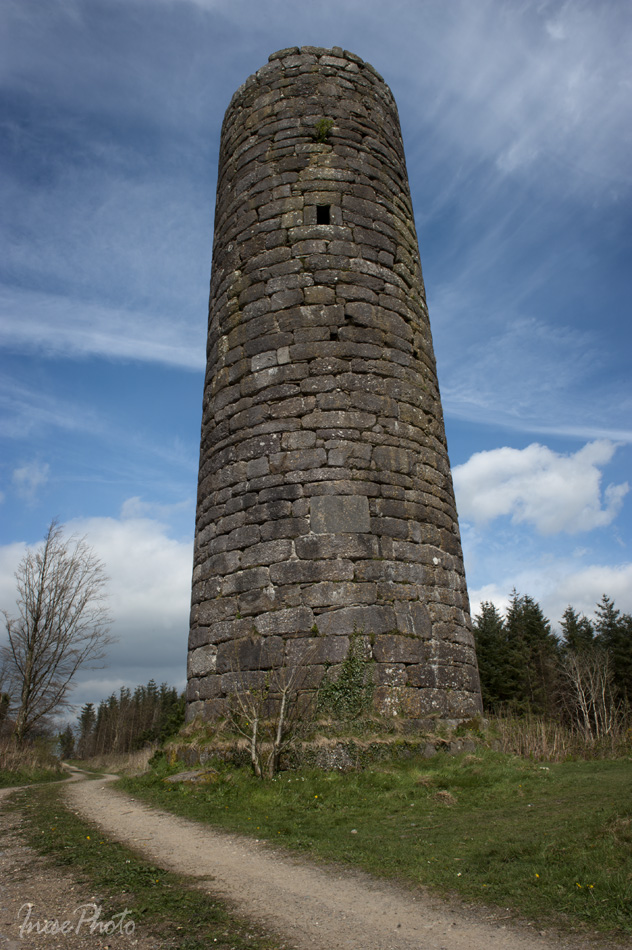
Curraghmore Tower

This 65 ft round tower was “erected in the year 1785 by George, Earl of Tyrone, to his beloved son, his niece and friend”.

Marcus, the eldest son of 1st Marquess of Waterford was killed while jumping his horse over courtyard paling. He was only twelve. It is difficult to tell who was the niece, since George De La Poer Beresford was the eldest of fifteen children. The friend was Marcus’ French tutor Charles Polier de Bottens who died shortly after the tragic accident.

Over the years, there were people who came to this tower at their darkest moments. It is a mile long walk from the main road. Wish they had turned back.

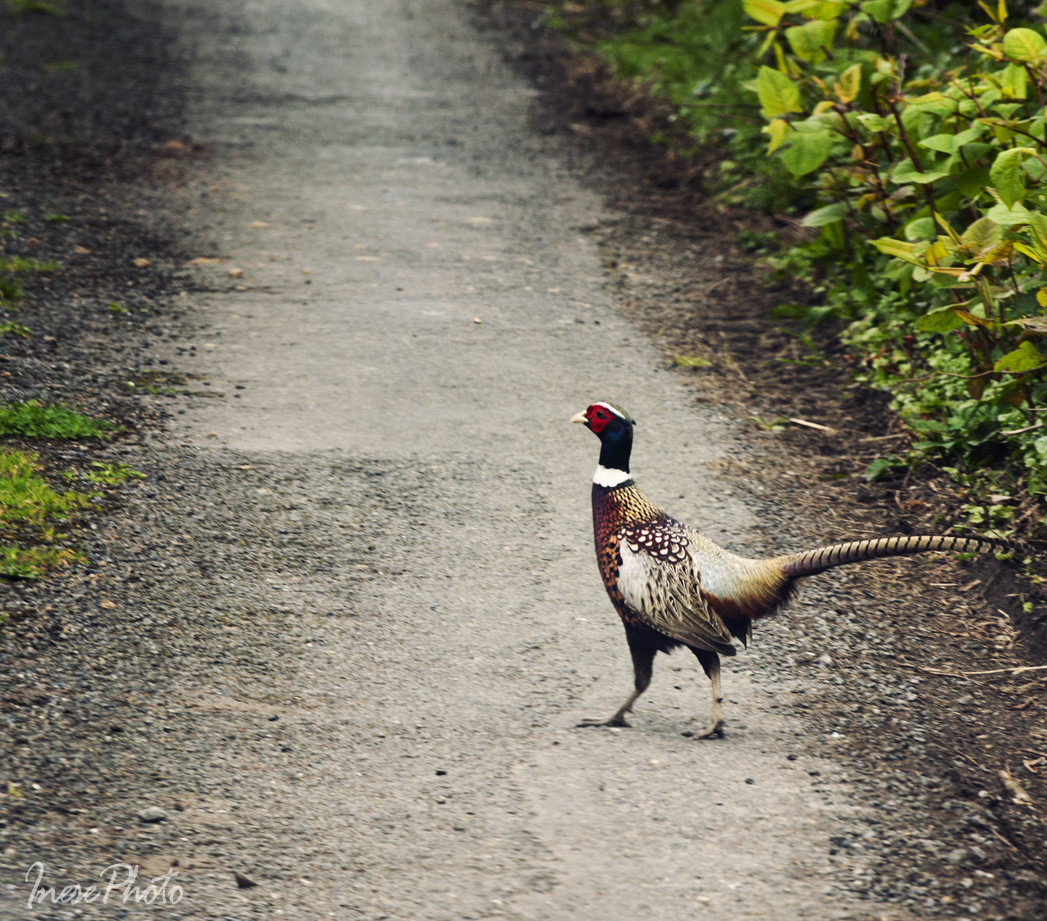
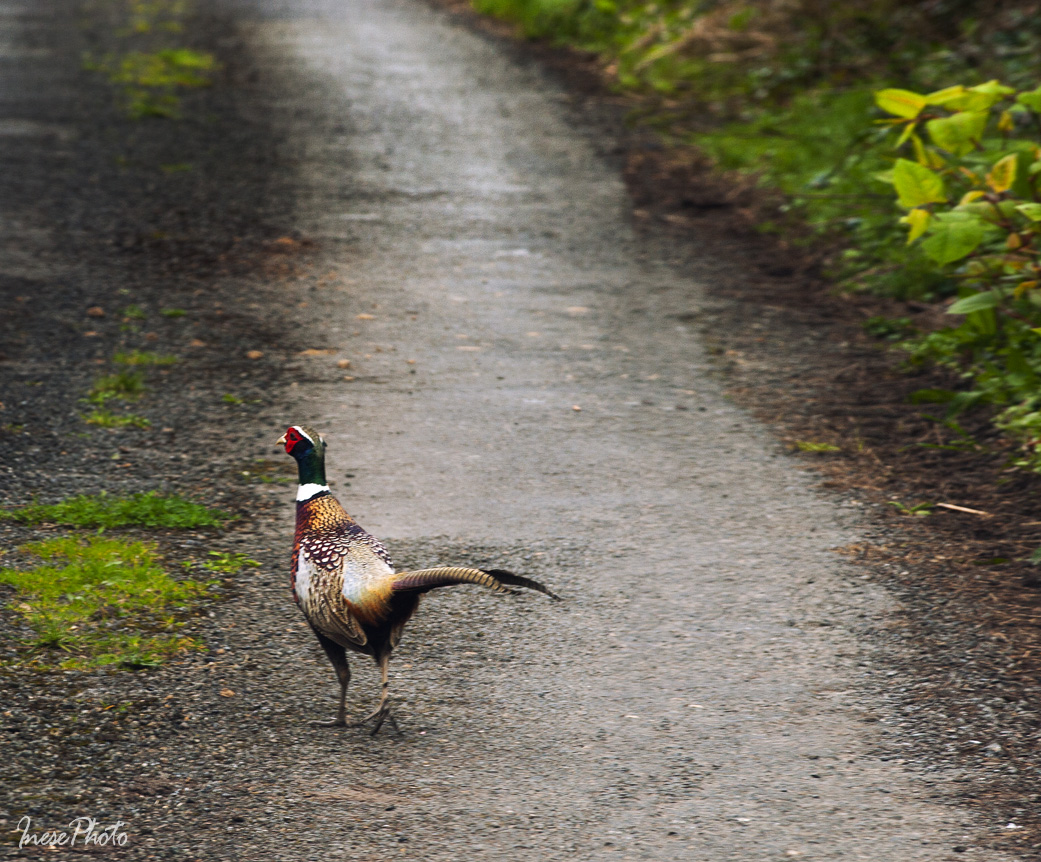
I pass the entrance to the Curraghmore estate and drive up the hill. Gorgeous pheasant steps out of the grass and walks right in front of my car. I am trying to match the speed of the bird to take pictures.

Curraghmore Tower   Curraghmore Tower

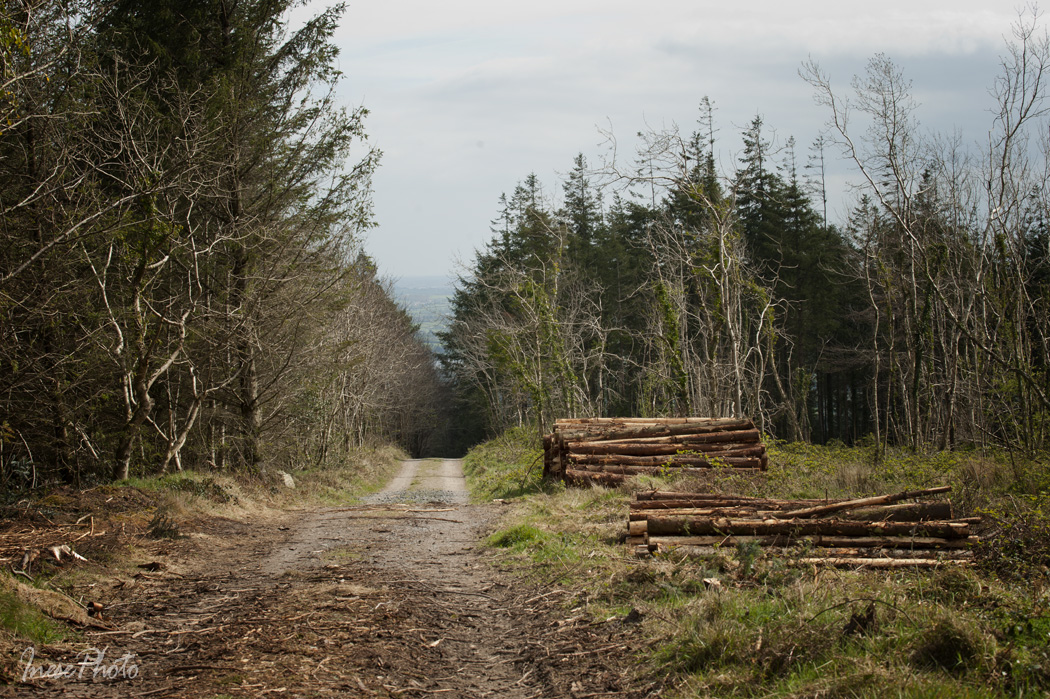
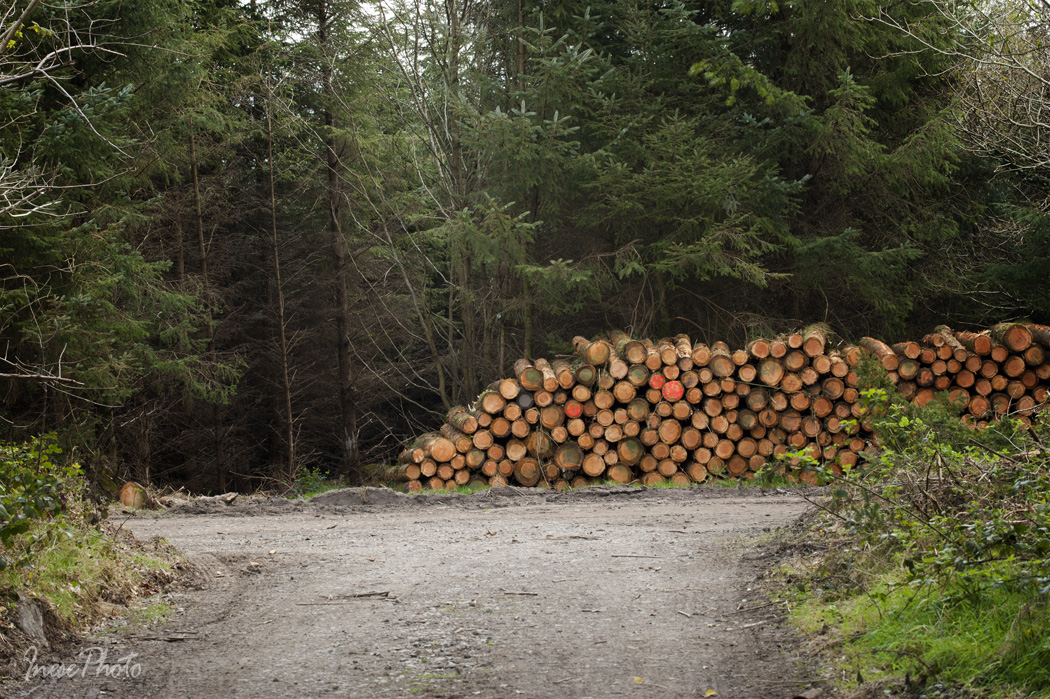
I park and start walking through the conifer forest. The path is quite muddy – timber felling is in progress and the trucks have damaged the road. I turn around the corner. Here used to be Clonegam school, but it was burned down during the Civil War.

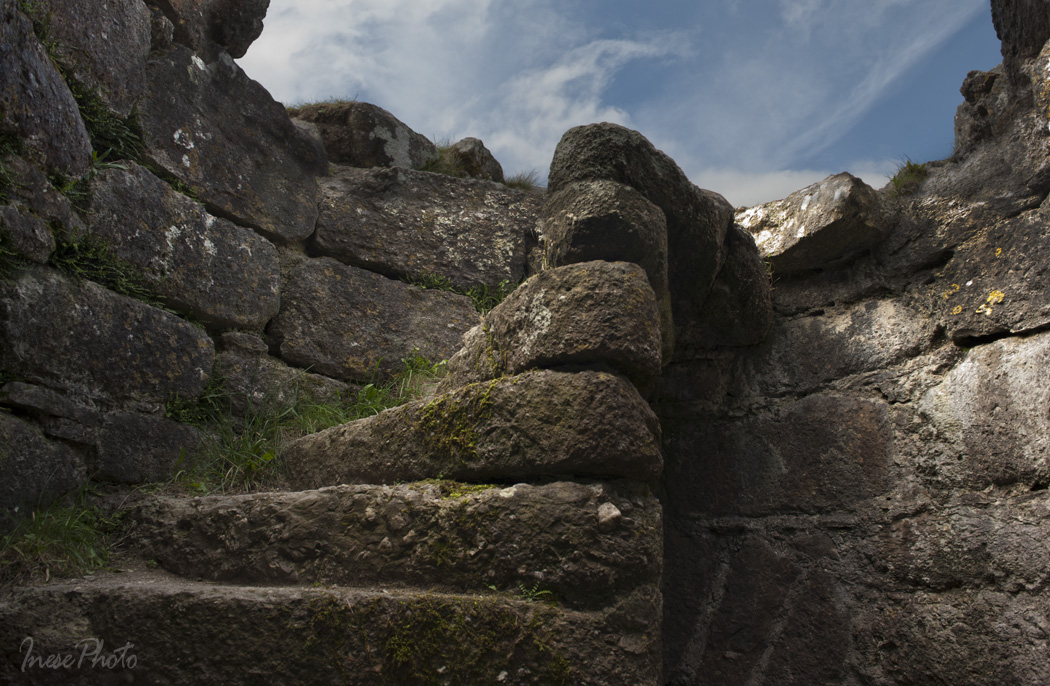
The Tower is inspired by the medieval Irish round tower. They say that the walls are about seven feet thick which I cannot confirm. I would rather say that the distance between the walls is about 10 feet. It was intended to build it 120 feet high, but it was left unfinished at the height of 70 feet.

Curraghmore Tower

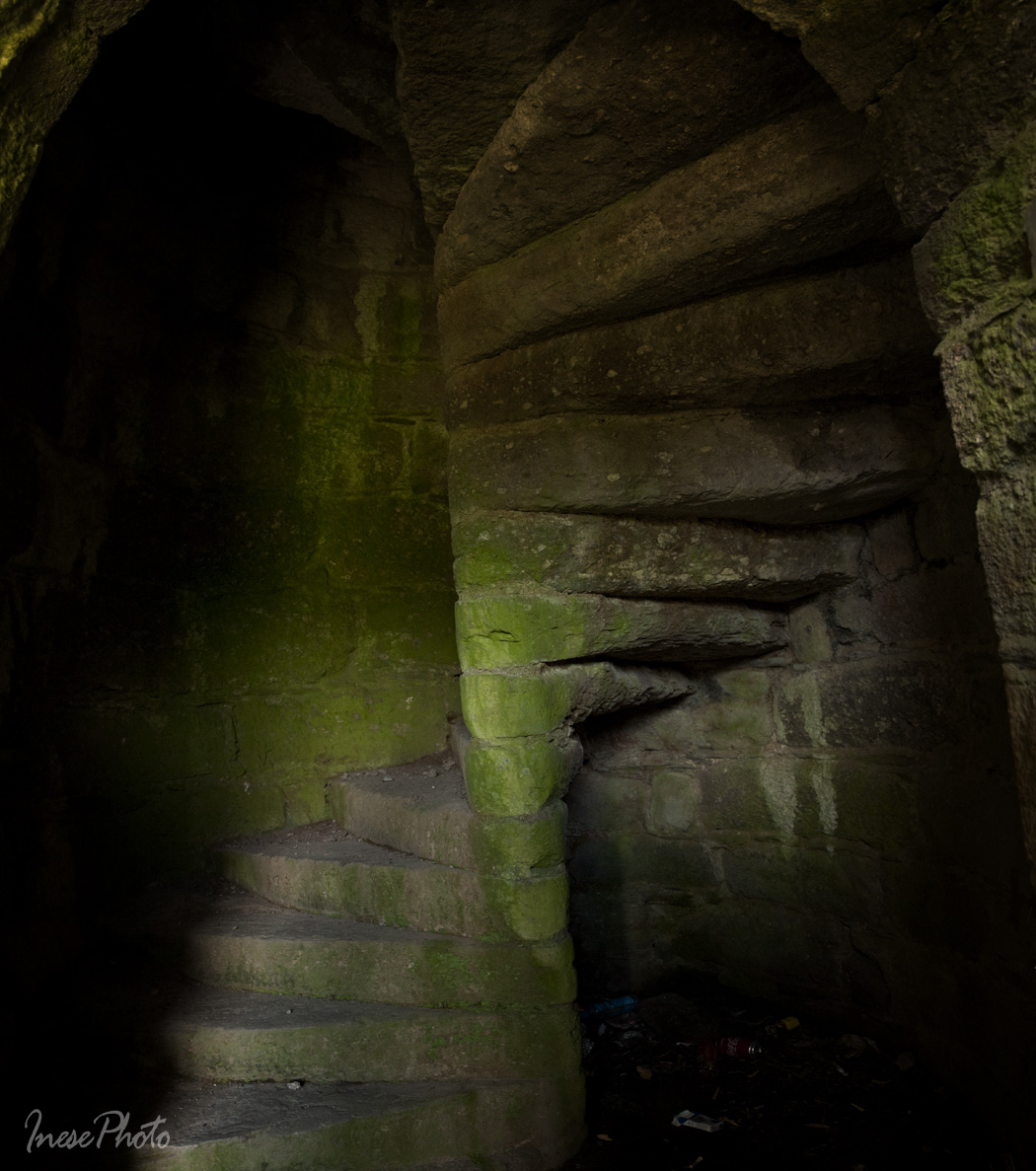
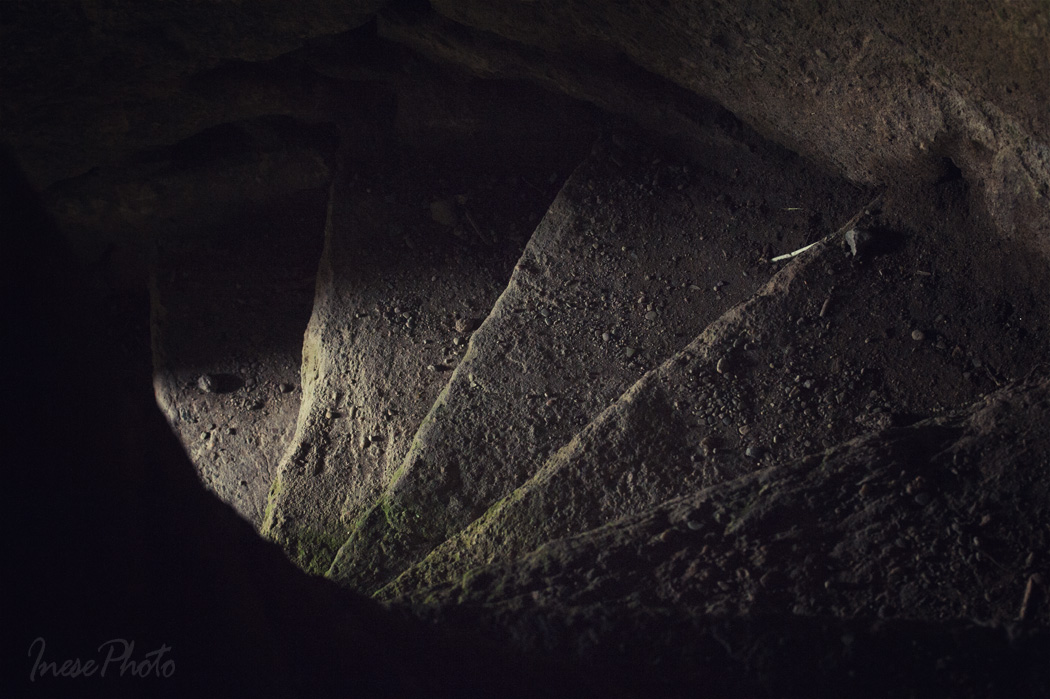
Hanging around the tower I have a chat with a young man who used to climb to the roof and read books in solitude. Armed with some tips I start climbing the 92 step spiral stairway.

Curraghmore Tower

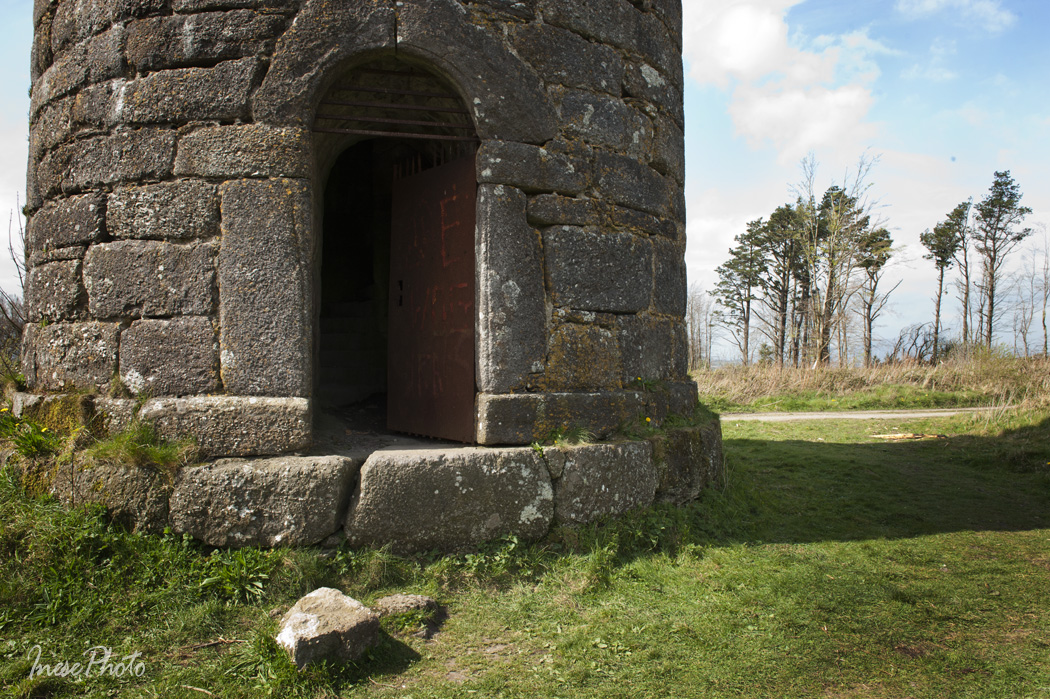
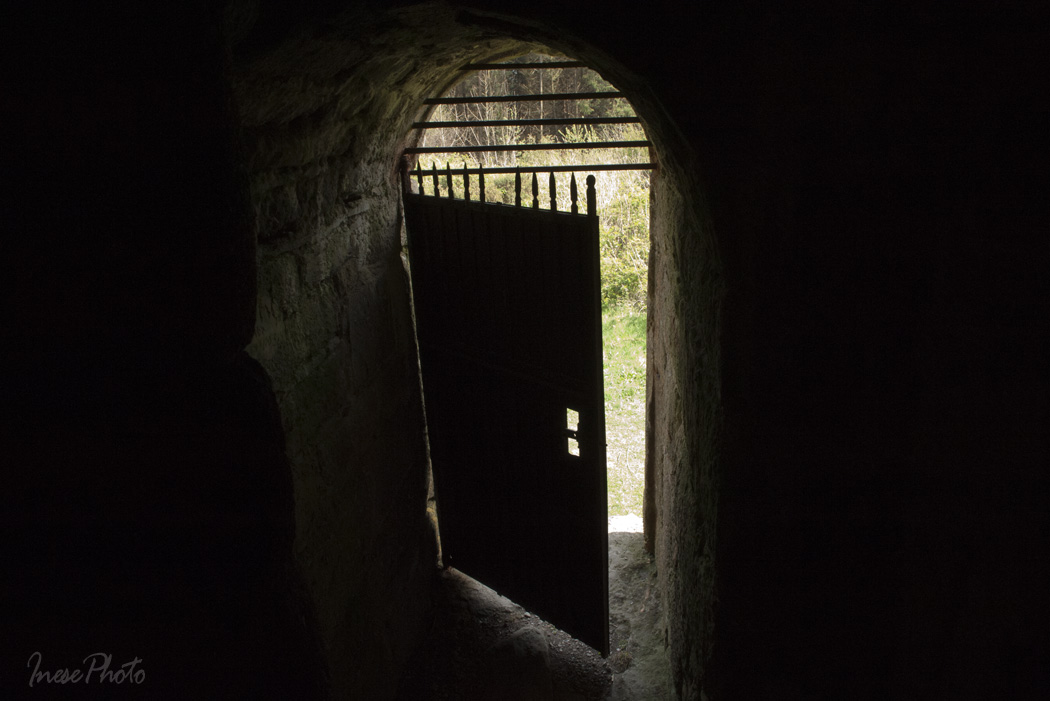
The door offers some light but further up there is a dark stretch until I reach the first window.

Curraghmore Tower

Curraghmore Tower  Curraghmore Tower

It is how I climb – from window to window.

Curraghmore Tower

Finally I see the sky. On the top there is a flat roof with a hole in the middle and a low parapet with some stones missing. I don’t dare to climb to the roof. The day is very windy so I just stay on the steps and look around.

Curraghmore Tower Curraghmore Tower

I have found a fantastic drone shot by Jamie Malone. It is what the roof looks like.

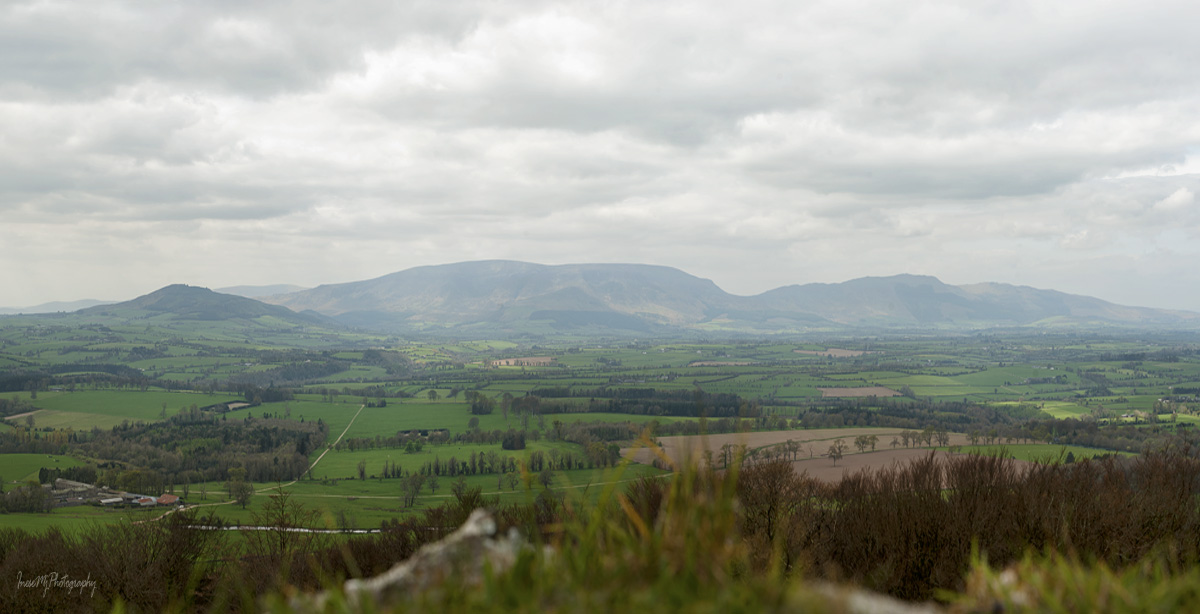
The view from the Tower is stunning. I see the Curraghmore House and River Suir.

Curraghmore Tower    Curraghmore Tower

This is Croughaun Hill and Comeragh Mountains.

Curraghmore Tower

It is the time to climb down when I realise that it is possible that someone is making their way up right now, oblivious to me being there. I don’t like the thought, but I cannot stay here forever. I start my descent and finally reach the door and quickly get out.

Curraghmore Tower   Curraghmore Tower

There is a loop walk, but I take the same road because I have spotted some photogenic timber. Next time I will visit Curraghmore House and a special historical object that I want to share with you.

Curraghmore Tower Curraghmore Tower Curraghmore Tower

Here are three links to my previous blogs about Clonegam and the De la Poer family that I wrote last year.

https://inesemjphotography.com/2016/10/09/abbeys-and-churches/

https://inesemjphotography.com/2016/10/22/lady-florence-and-clonegam-church/

https://inesemjphotography.com/2016/10/27/circumstance-observes-no-preference/


wwww.inesemjphotography.com Have a wonderful weekend!
Curraghmore House – another visit

Curraghmore House

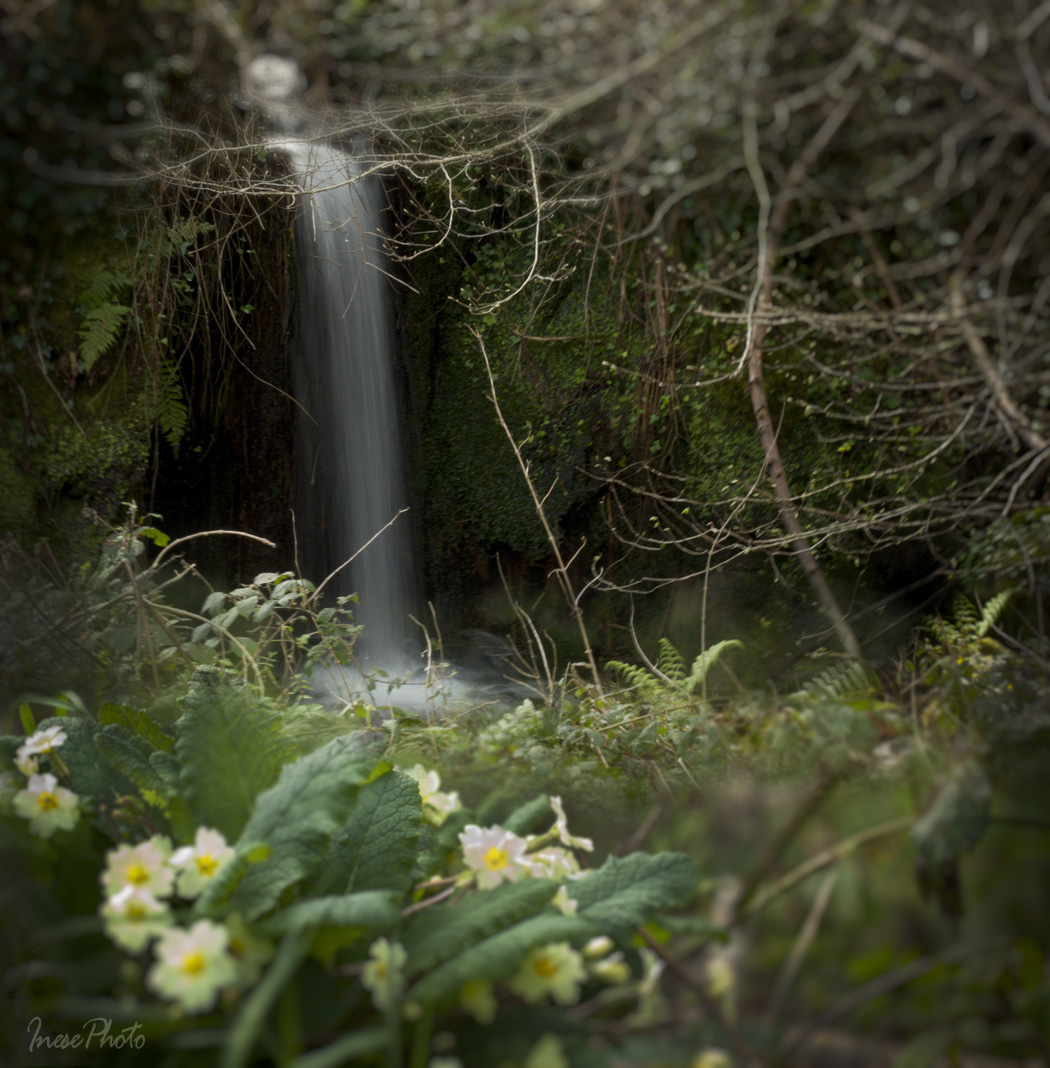
On my second visit to the Curraghmore estate near Portlaw I found this tiny beautiful waterfall. Here are some more pictures from that day.

Horse riders at the entrance to the estate.

Curraghmore House

A road yet to be explored.

Curraghmore House

Amazing play of light in the tree branches.

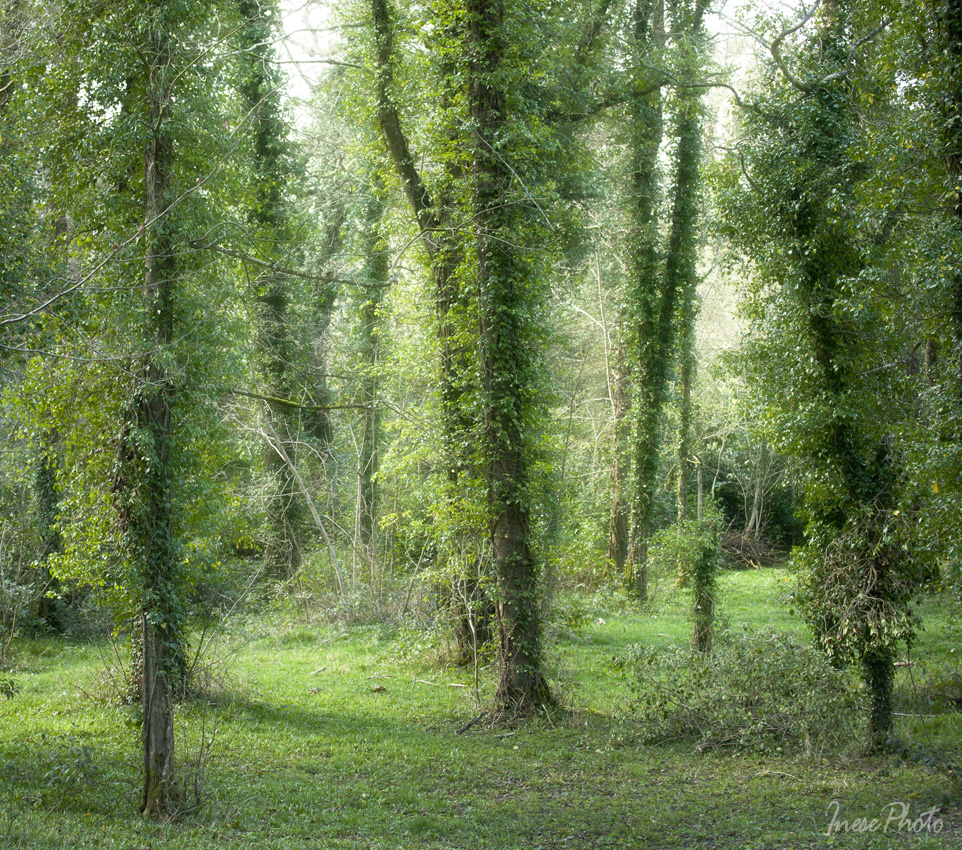
Evergreen ivy.

Wild plums in bloom.

Ferns growing on the tree branches.

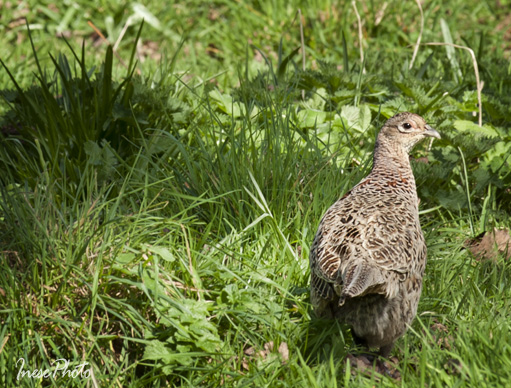
I saw many pheasants, but they didn’t let me come close. Except this one.

Young pheasant hen didn’t mind me either.

This is not a monster but a pheasant hen taking off.

Good for her. This one was not as careful – pheasants have many natural predators.

Curraghmore House, the residence of  Henry Nicholas de la Poer Beresford, 9th Marquess of Waterford.

Curraghmore House

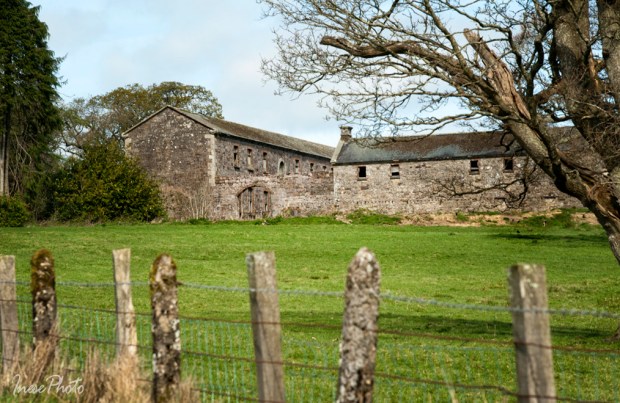
Farm buildings.

Curraghmore

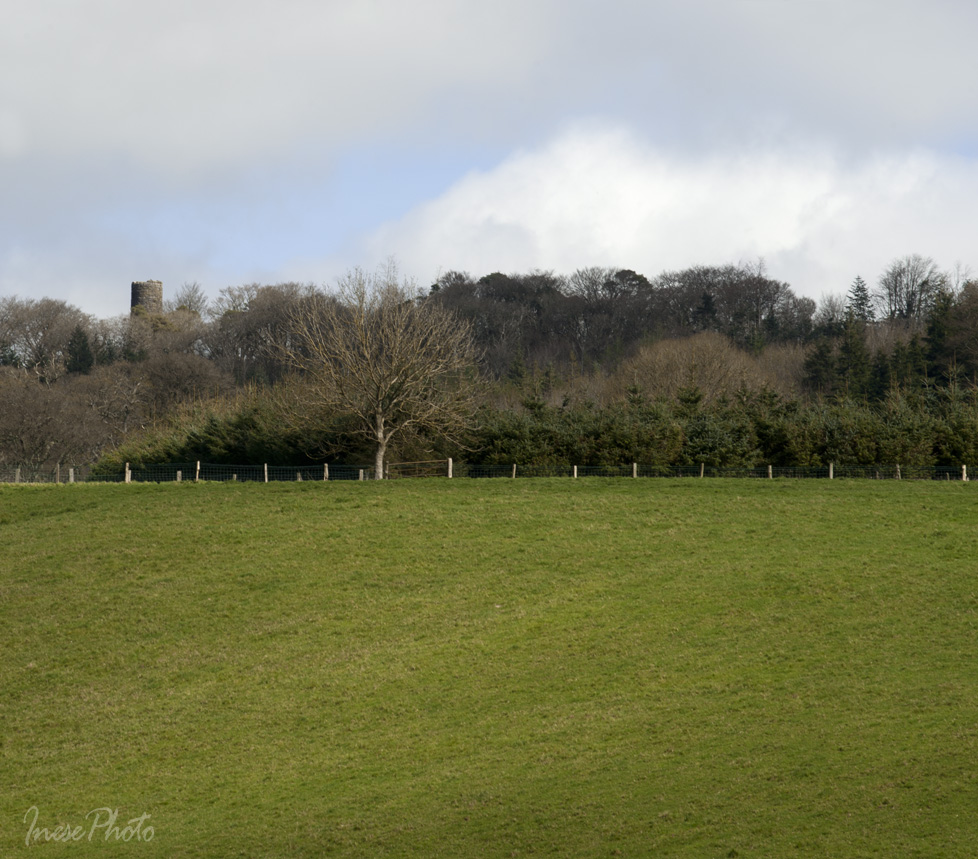
The Tower, or Steeple, in the distance. I visited this sad monument in March.

Steeple

I will share more pictures from my walk to The Tower next week.

wwww.inesemjphotography.com Have a wonderful weekend!

Curraghmore House

Curraghmore House

Last autumn I wrote about the Clonegam Church – resting place for the De la Poer Beresford family. Later in June I am going to visit their ancestral home – Curraghmore House – but meanwhile I will share the photographs I took in the beautiful park surrounding the house. The owners are so very kind allowing the visitors to walk there free of charge.

Clonegam Church is somewhere behind the trees.

The ancient oak tree in its winter beauty.

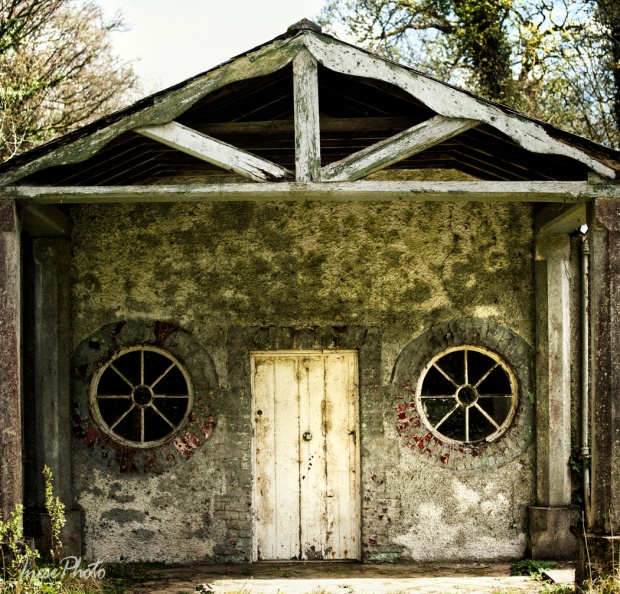
Single story gate lodge with round windows known as Ivy Cottage was built in 1880 and renovated in the 1930’s. It is currently unused.

Curraghmore House

St John’s Bridge that was built in 1205 spans over River Clodiagh. River Clodiagh rises in Lough Coumduala in the Comeragh Mountains.

Curraghmore House

The seat in the middle of the bridge is quite rough looking. They say that King John commissioned the bridge, which gives us an idea about being royalty in the beginning of the 13th century 🙂

Curraghmore House

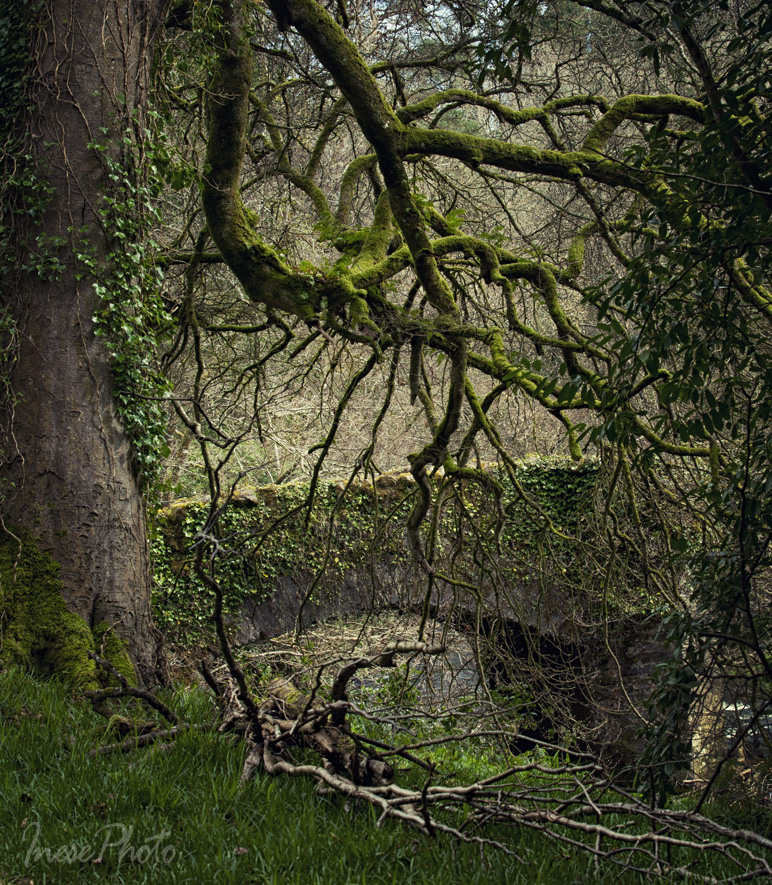
St John’s Bridge through the tree branches.

Curraghmore House

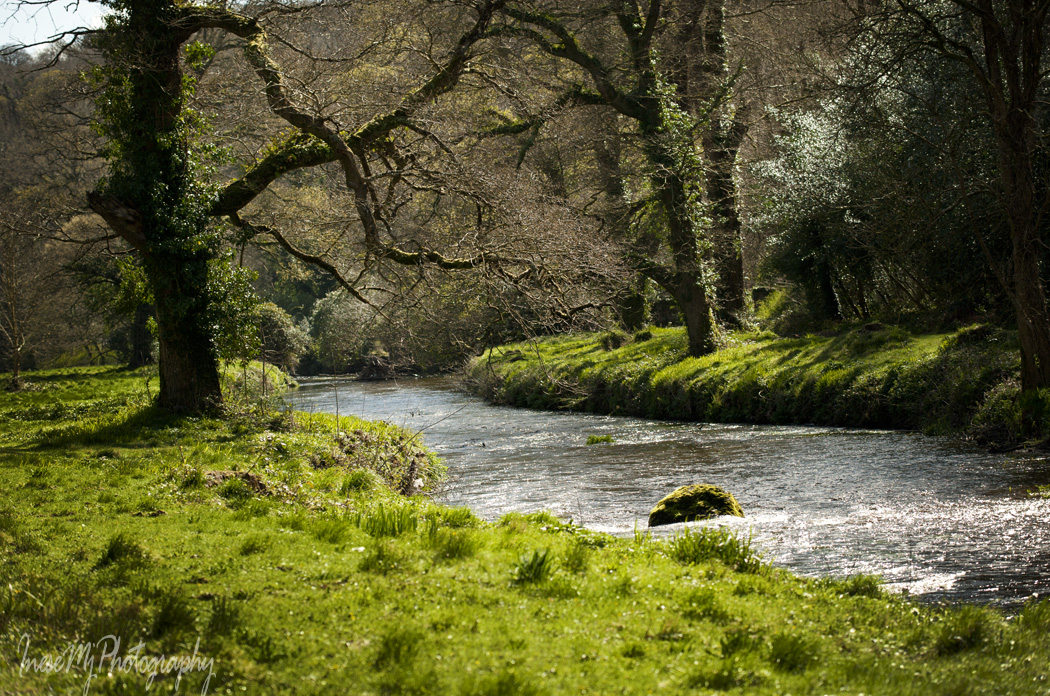
River Clodiagh running through Curraghmore demesne.

Curraghmore House

Curraghmore House

Beautiful man-made waterfall.

Curraghmore House

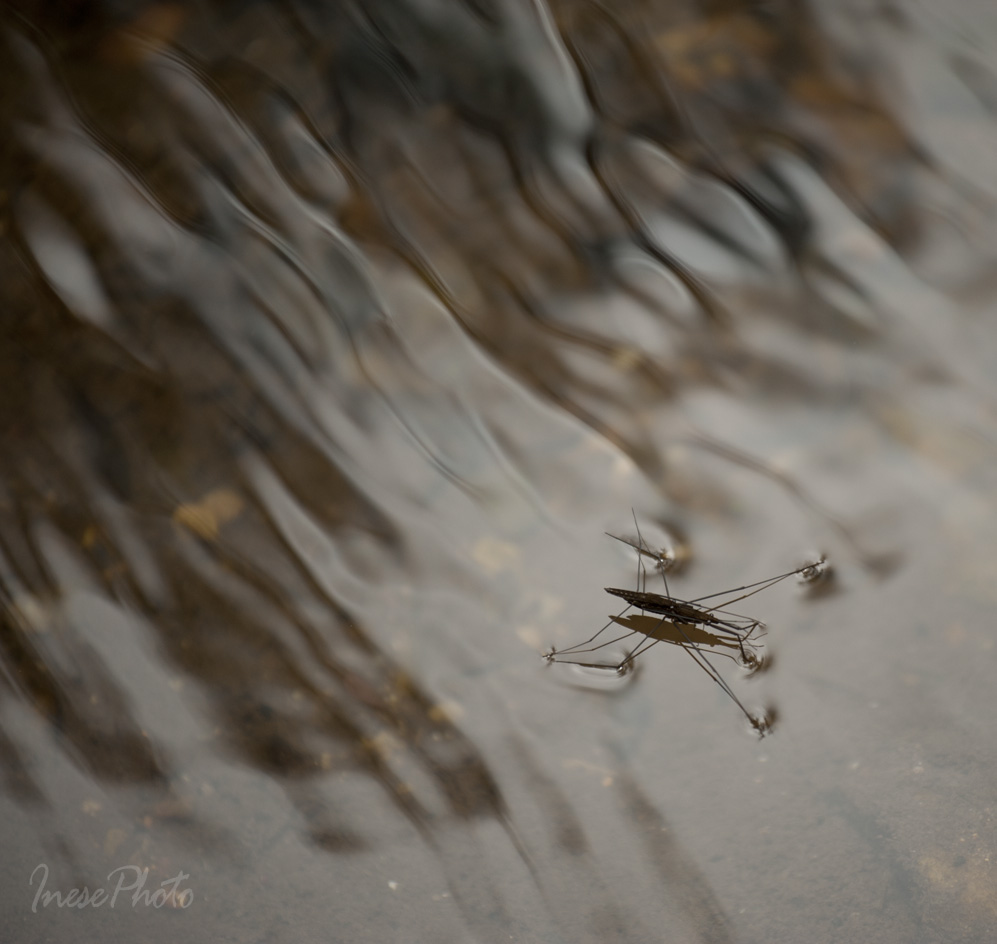
Water strider – my first lesson on physics 🙂

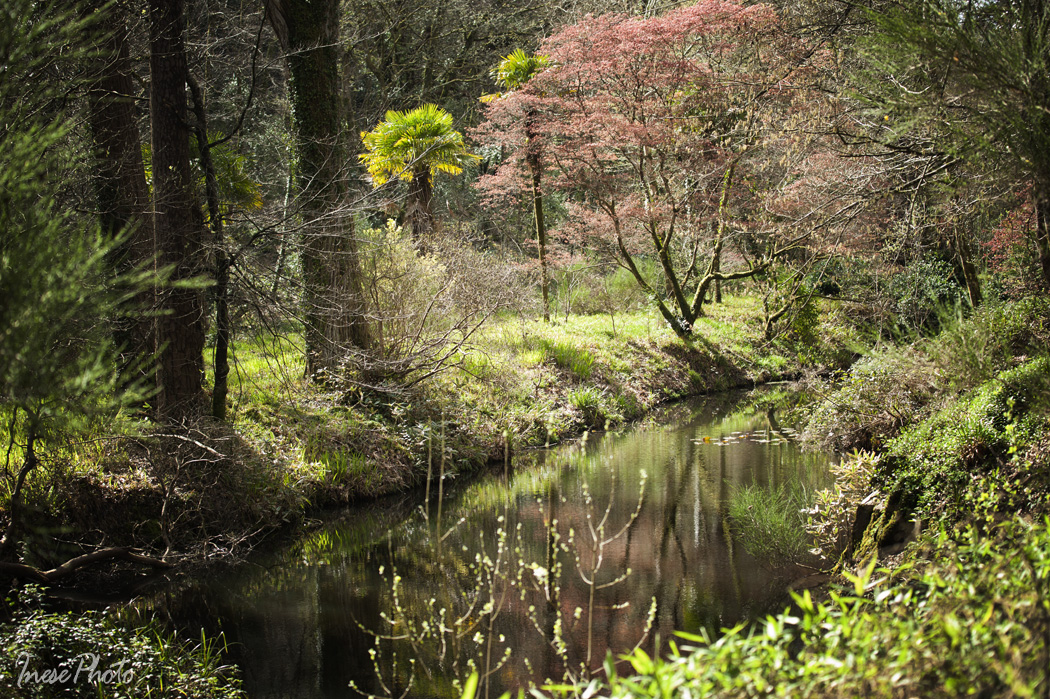
Remnants of the Japanese Garden.

Curraghmore House

Curraghmore House

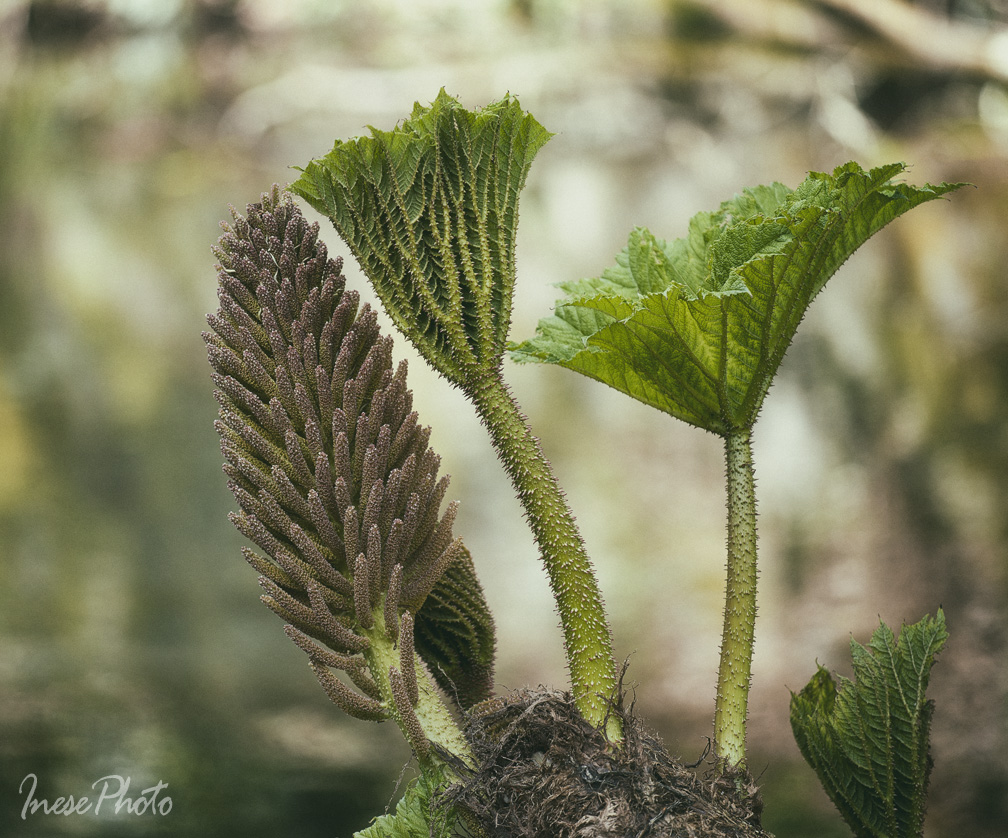
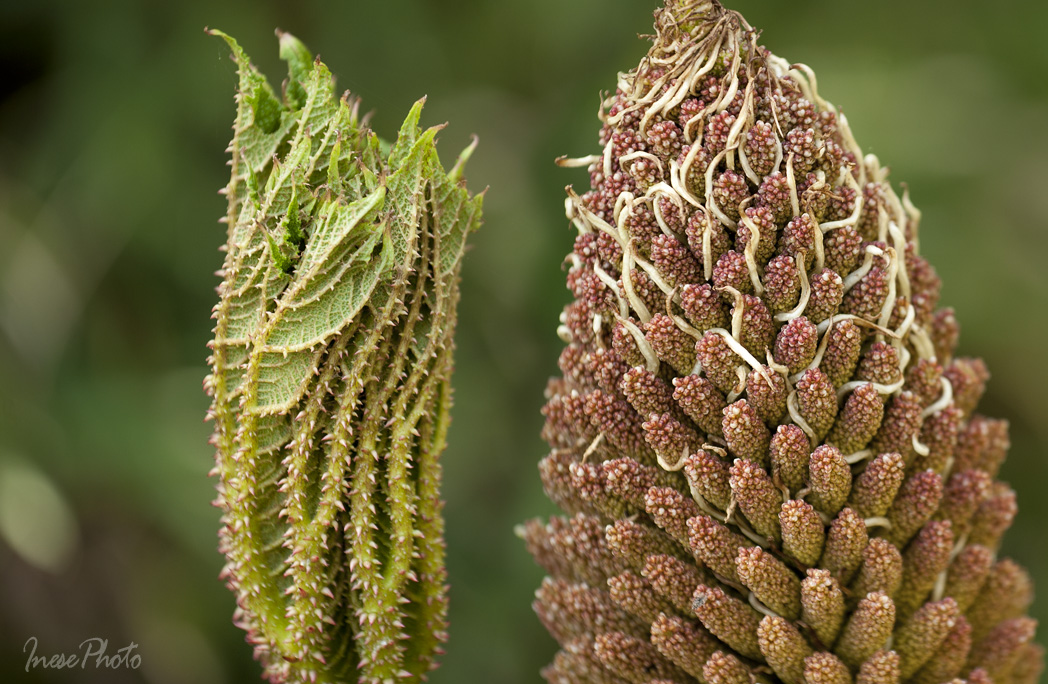
The Giant Rhubarb in its baby stage –  the pictures were taken in March.

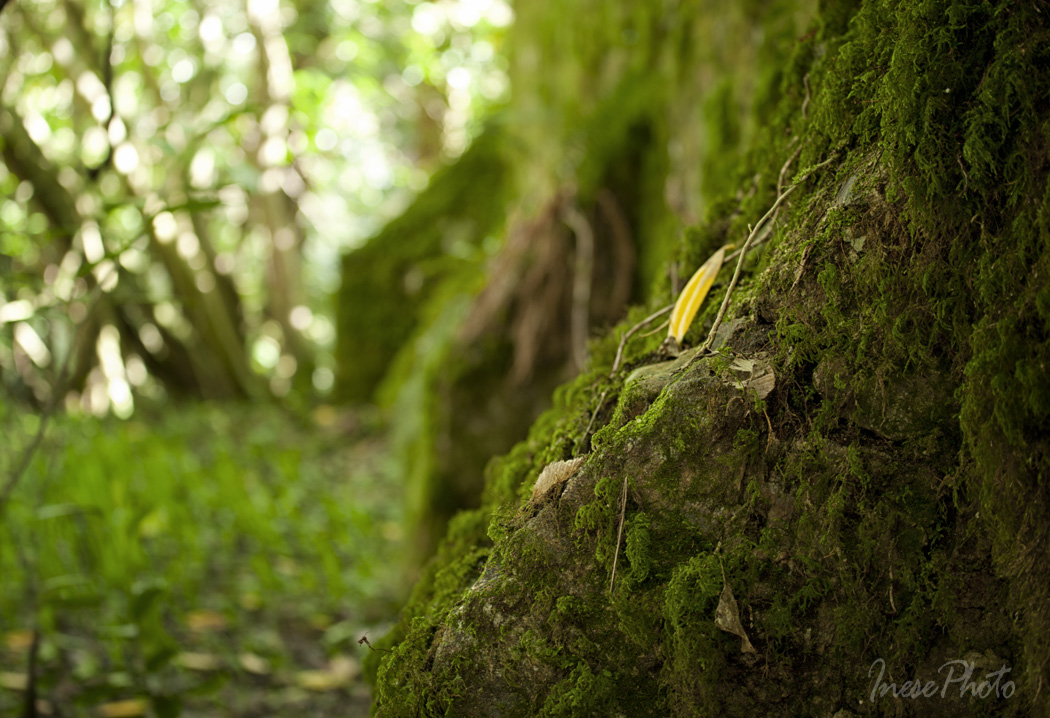
Fortified stone wall covered with moss has endured for a half millennia, or  longer.

Curraghmore House

I have another few photographs to share in the next two weeks. At the moment I am with my family, getting back to my life, and hope to start answering comments and visiting blogs. Thank you so much for your understanding, and your tweets and emails ❤

 Have a wonderful weekend!

It is my cup of tea: part II

Another reblog, until I get back in June ❤

inese's avatarMaking memories

296hers

The origins of herbal medicine are the origins of civilization itself. Only imagine that all these herbs were known and used thousands year ago: for healing, food, drinks; to eliminate bad odors; for making soap and body scrub; to dye clothing and even hair. There is no plant, no part of a plant that could not be used one way or another. If you are interested in growing some herbs in your back yard, you can check out this link for the UK and this link for the USA. These two companies are selling seeds and gums of the wild herbs online. I just found them in Google. I used to buy seeds of wild plants back in the 80-s, and from that experience I know that you will get literally a few seeds in that paper bag, but don’t panic, it will be enough to start your herb…

View original post 1,117 more words