Ireland

William Despard Hemphill, Clonmel, County Tipperary

Clonmel

Clonmel is one of my favorite towns in County Tipperary – a place rich of history, and surrounded by beautiful landscapes. If you travel Ireland and are interested in photography, it is a place to visit for many reasons.

In 1840 an instruction manual in the use of the daguerreotype was offered by the Dublin Mechanical Institute and the natural Philosophy Committee of the Royal Dublin Society purchased a camera for taking daguerreotypes in the same year. Photography started its journey in Ireland.

Photography was quickly taken up by Ireland’s professional and landowning classes and the residents of Ireland’s big country houses. One of Ireland’s pioneering photographers, William Despard Hemphill was a native of Clonmel

William Despard Hemphill (1816–1902) was born into a large professional middle class Church of Ireland Tipperary family in 1816. After graduating University of St Andrews, he returned to Clonmel and had a successful medical practice, being doctor to both the Lunatic Asylum and the Prison.

Clonmel

Dr Hemphill composed and played music, was an avid orchid grower, turned ivory ornaments and was interested in archaeology, geology, and Waterford glass. He experimented with the latest photographic techniques, won several prestigious awards, and left a vast historical photography record of the 19the century scenes and people. He won fourteen prizes in Dublin, London and Paris. His photographs were praised for excellence of composition and artistic taste.

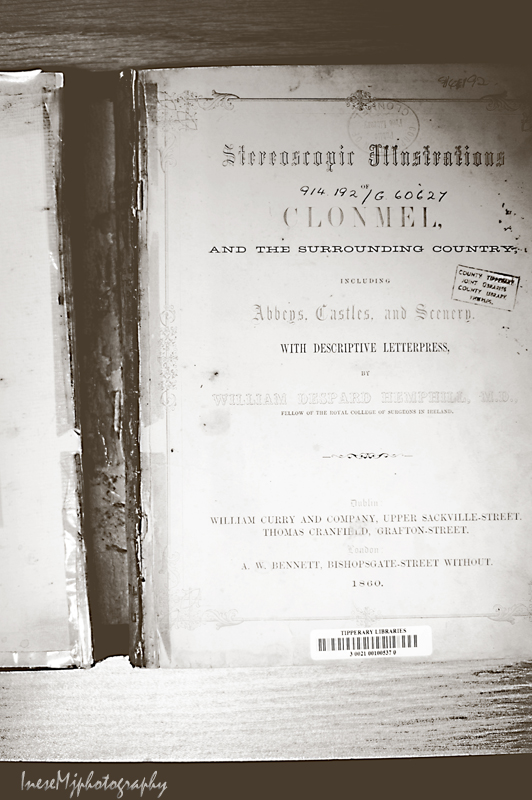
William Despard Hemphill is best known for his book ‘Stereoscopic illustrations of Clonmel and surrounding country, including Abbeys, Castles and Scenery. With descriptive Letterpress’, which was printed in Dublin, in 1860.

Stereoscopic photography recreates the illusion of depth by utilizing the binocularity of human vision. Stereoscopic photographs, or stereographs, consist of two nearly identical photographs  – one for the left eye, one for the right. Viewing the side-by-side images through a special lens arrangement called a stereoscope helps our brain combine the two flat images and see the illusion of depth. Stereoscopic photographs became very popular after Queen Victoria and Prince Albert received the gift of a stereoscopic viewer at the Crystal Palace exhibition in 1851.

Dr Hemphill’s  “Stereoscopic Illustrations” book comprises two volumes – one is the stereoscopic photographs themselves, the other – the descriptive text. The work is extremely rare; it was never available to the general public, and possibly only distributed  by Hemphill to his aristocratic friends in South Tipperary. Each known copy is unique and differs from the others. The National Library lacks all the photographs. Clonmel County Museum has two full copies containing the photographs, however, they are not on display for the general public .

Clonmel Library has a copy of the volume containing the descriptions to the photographs (no illustrations). If you ask, they will give you the book and you can read it all – 102 pages. It is printed in red & black, with the decorative red border vignettes. A sonnet written by a well-known, or anonymous author, or by William Despard Hemphill himself, opens each chapter. The volume opens with two quotes written in Greek and Latin – by Lucian and John Dryden respectively.
Hemphill

I went around the town to recreate some of Dr Hemphill’s photographs. The bits of information about the scenes I took from that famous book.

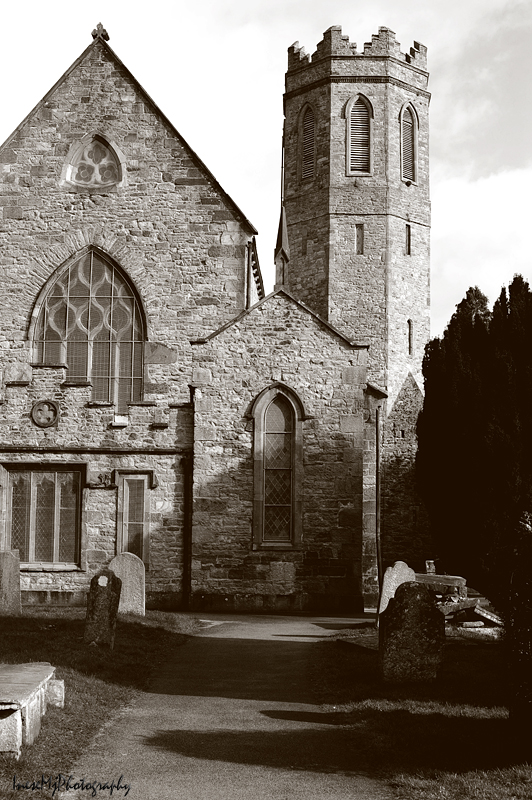
In 1857 Dr Hemphill photographed St Mary’s, Clonmel, his parish church shortly before the reconstruction and alteration works. The Western Wing was not altered and looks the same today.
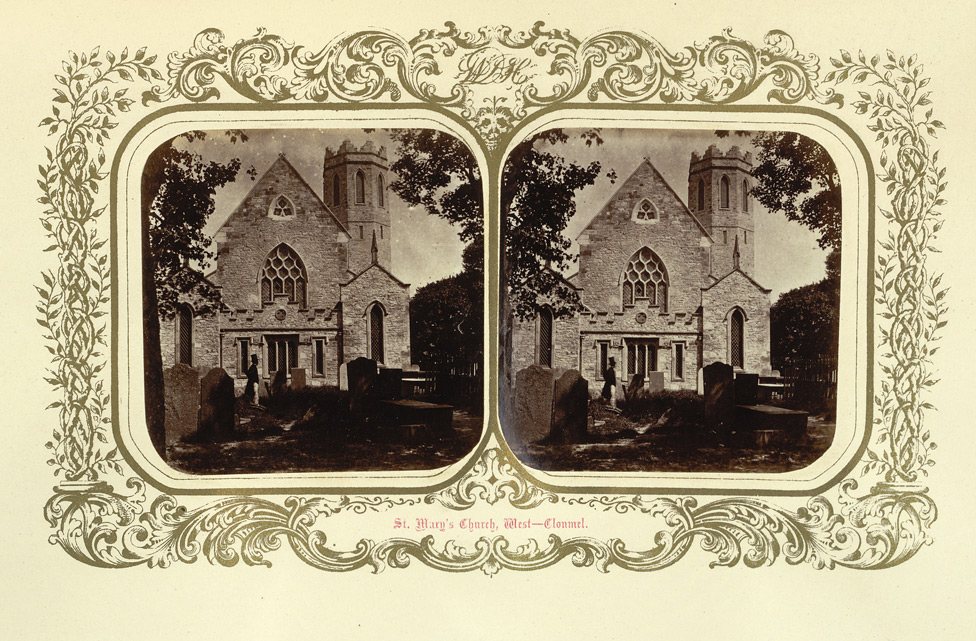
Hemphill

Clonmel

This image depicts a part of the Eastern Wing that was altered during the reconstruction works and no longer exists.

Hemphill

This image of the Quay is taken from a boat. Commercial barges like this one were used before the railway was built in 1854.  Some buildings along the Quay are still there, but the Manor Mills in the background have been demolished.

Quay, Thro’ The Arch Of The Bridge, Clonmel ( 1857-58)

Hemphill

Clonmel

Scot’s Church, Anglesea St, Clonmel (1857-58) with its pretty little Ionic portico

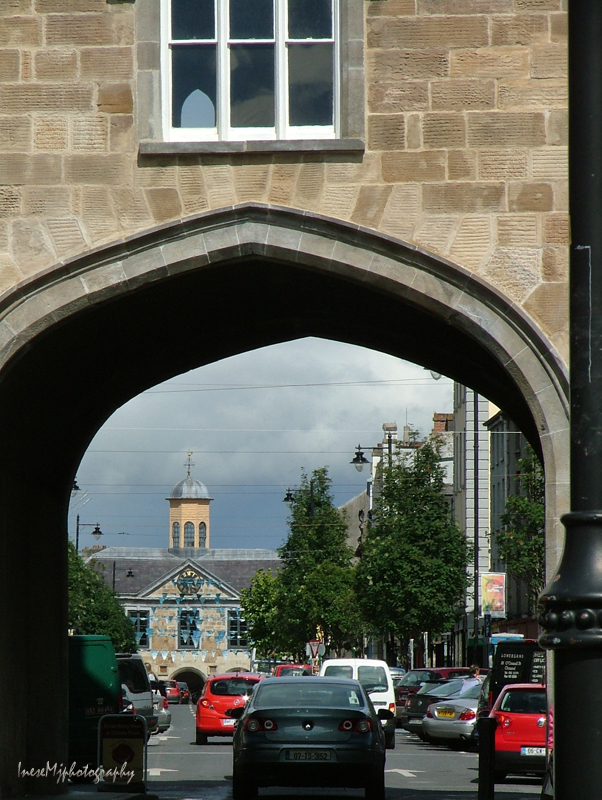
“Clonmel, the assize town and capital of the County of Tipperary, is situated on the River Suir, which here separates the Counties of Tipperary and Waterford, and is built principally on the north side, and partly on some islands in the river, which are connected with each other and the town by bridges of considerable antiquity.” (Descriptive text by William Hemphill)

Hemphill

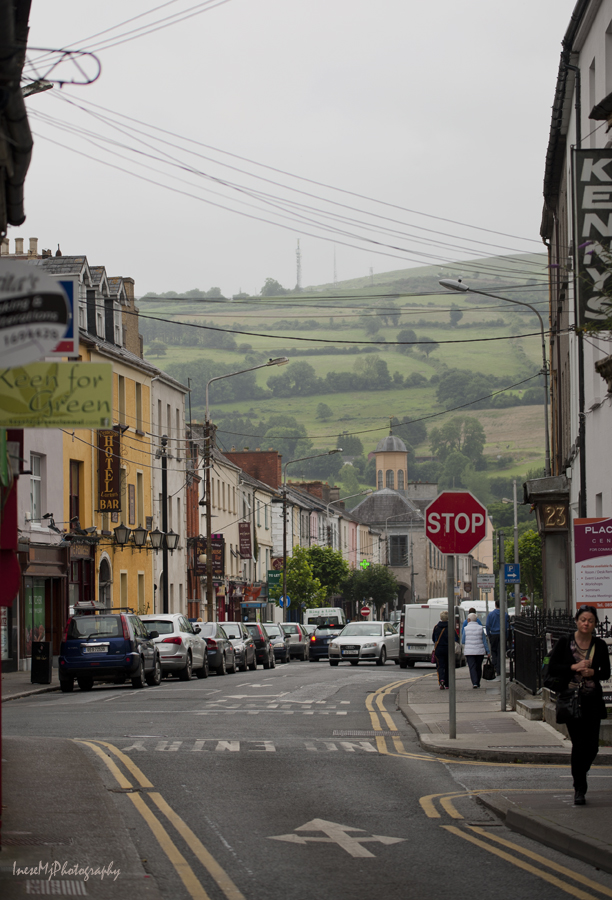
In the street, you can see a car. It is a Bianconi long car. Bianconi was an Italian man who settled in Clonmel and became a Father of Public Transportation in Ireland. The headquarters of Bianconi’s Transport was in Parnell St nearby.

Otherwise the street hasn’t changed.

Clonmel

Clonmel

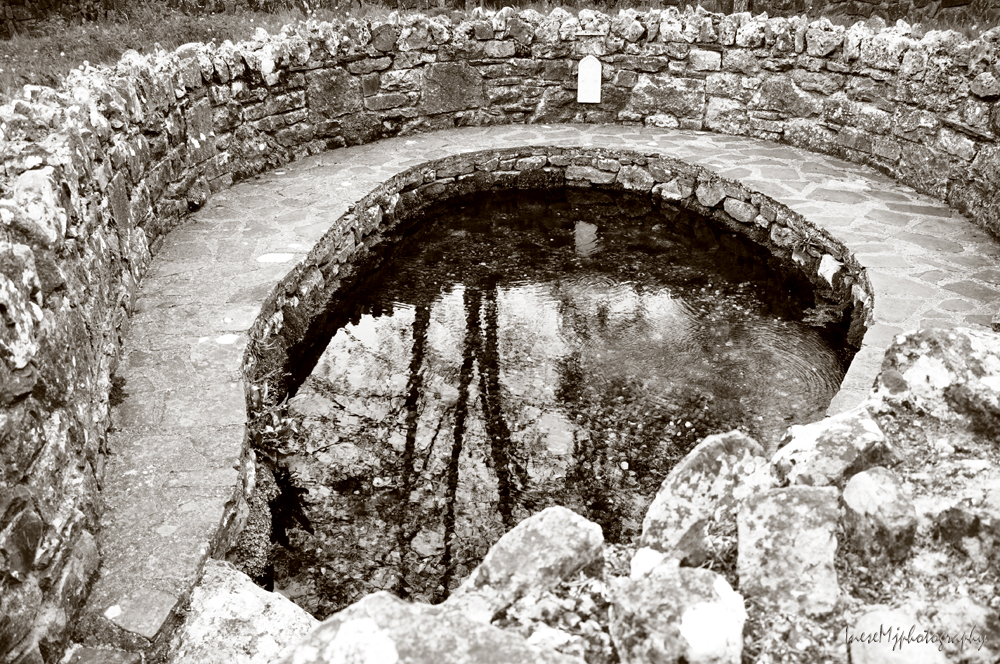
Another beautiful place that still exists is The Patrick’s Well and Church.

Hemphill

An old lady selling some religious souvenirs used to sit at the tree every day.

This is what the Patrick Well site looks these days. No one is selling souvenirs any more, but an old man, David, is there almost every day ready to answer your every question about the site and its history.

Clonmel

Clonmel

Clonmel

There are some changes inside the Church. The altar had to be removed because of the repeated acts of vandalism, and only the base of it remained intact. David showed me some carvings I wouldn’t have noticed otherwise: a figure of Jesus with the fields and buildings of Jerusalem in  background.
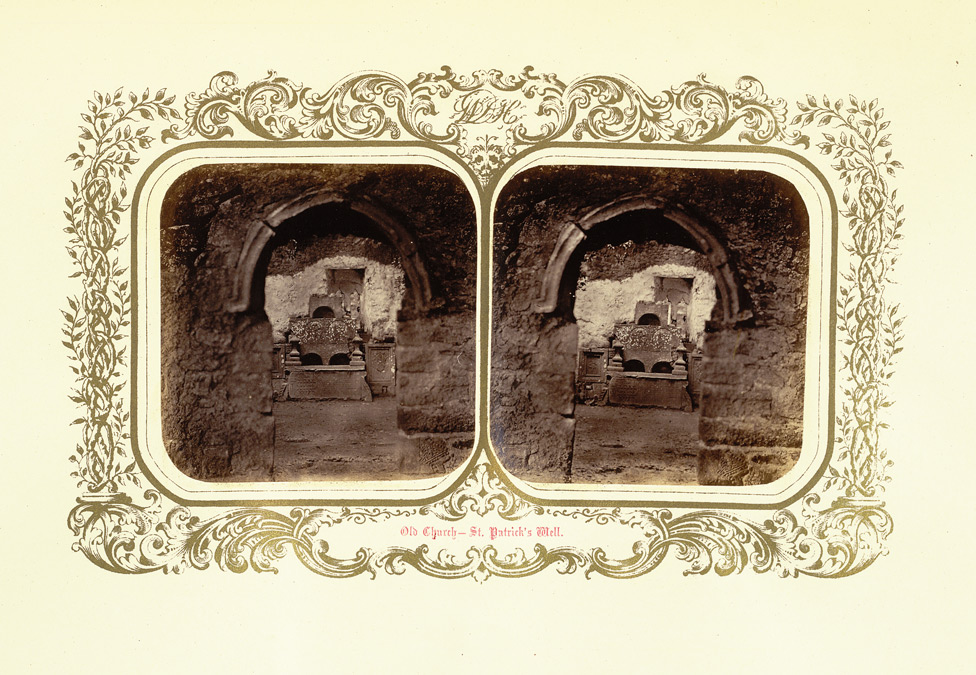
Hemphill

Clonmel

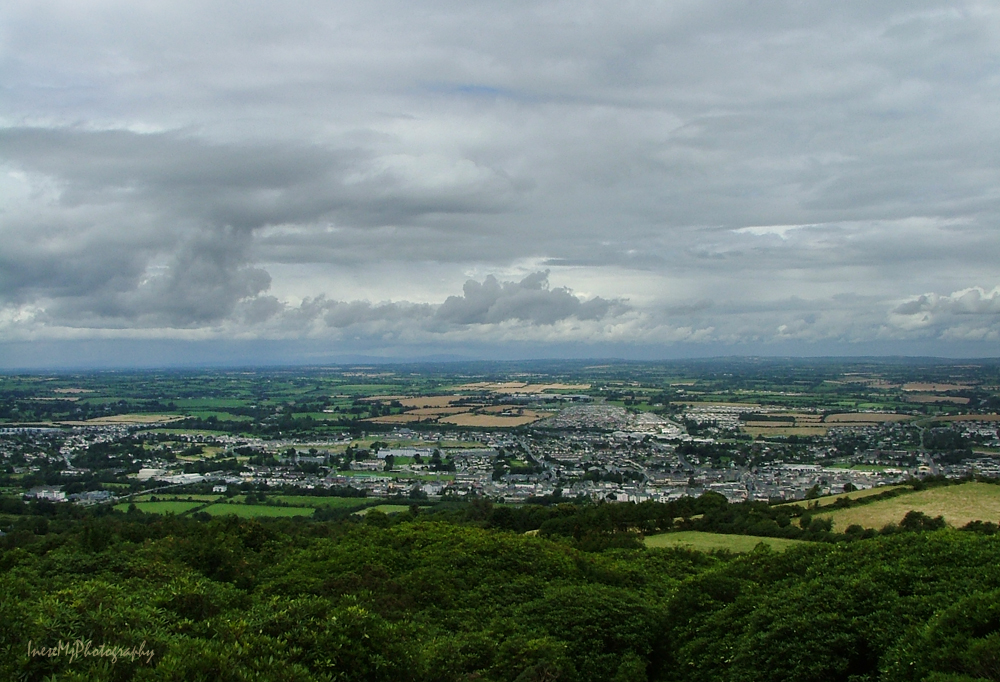
And here are a few more pictures of Clonmel taken over the years. Different seasons, different vantage points, different moods. Lovely town that has a tiny Tourist office in the Mary’s church premises, because there are very little tourists.  A gem that is not hidden, just overlooked.
Clonmel

Clonmel

Clonmel

Clonmel

Clonmel

Clonmel

So, back to Dr Hemphill again. His home was demolished and a shopping center was built where a beautiful garden used to be.

Clonmel

I went to the parking lot and asked random  people if they knew who William Despard Hemphill is. Two elderly gentlemen knew to tell me about the Hemphills’ estate. Not that he is completely forgotten – in 2013, Clonmel County Museum presented a stunning exhibition of the photographs of William Despard Hemphill – Silent Exposure. It was my first experience viewing stereoscopic photographs.

I went to his parish church graveyard and found his grave. There is a beautiful Celtic cross with the inscription that says: The memory of the just is blessed.

Clonmel

Thank you for walking the streets of Clonmel with me!

IneseMjPhotographyHave a wonderful weekend!
Saltee Islands – treasure bigger than money -part 1

Saltee_Islands

“All people young and old, are welcome to come, see and enjoy the islands, and leave them as they found them for the unborn generations to come see and enjoy.”      –  Michael the First

Even after I shared two posts on my Saltee experiences I still have a lot to say. I love this place.

When we arrived to Kilmore Quay to catch our motor boat, the sea looked rough. In the days of sail, the area around the Islands was known as “the graveyard of a thousand ships”.  I cannot tell that I have a brilliant memory, but this sort of information somehow always gets stuck in my head.

We boarded our boats – twelve in each – and off we went.  Not wanting to get soaked in salty wate, I went inside the boat, and it was a grave mistake. The waves were rolling over the boat; a few times the wave hit the bottom of the boat so hard that I though it would break up in pieces. Half way to the island, fighting sea sickness I had to get out, and there I stood another 15 minutes all soaked but unable even to move to make myself comfortable.  I barely remember the short trip on the inflatable boat; I was focused on staying conscious. It took me some six hours to completely recover – right before our trip back.

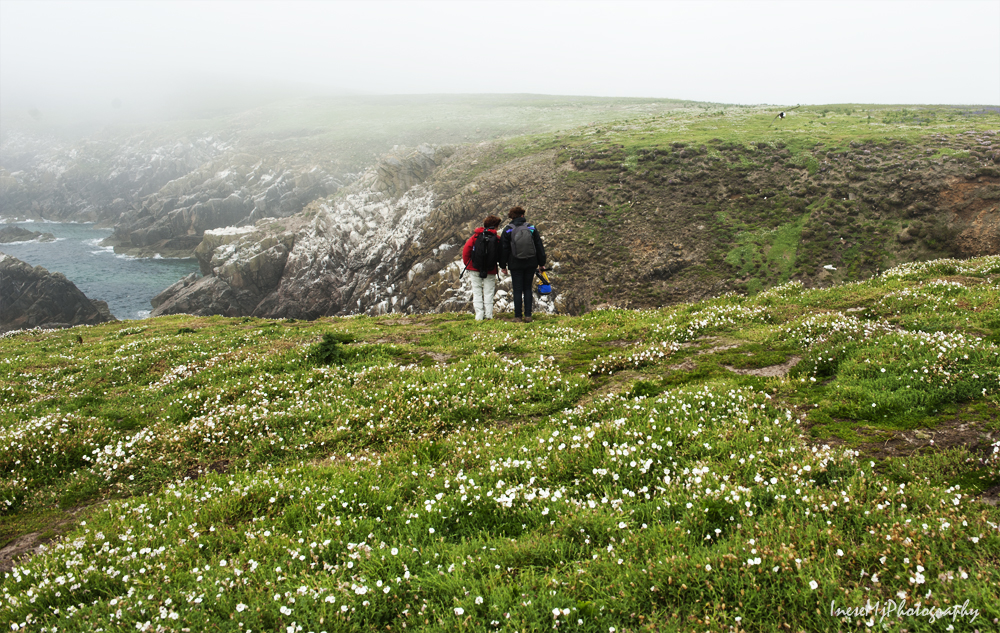
We walked up the steps, passed by the owners’ house and headed to the Puffin place. The island was wrapped in fog.

Saltee_Islands

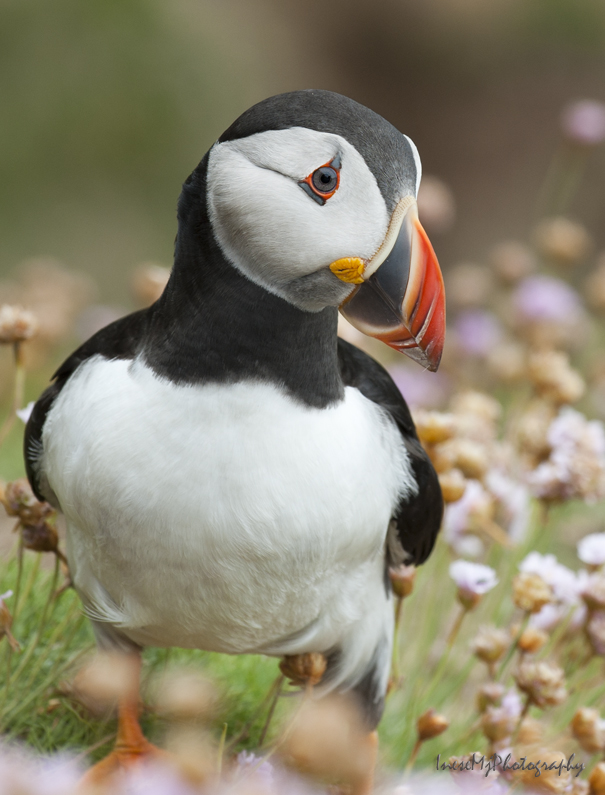
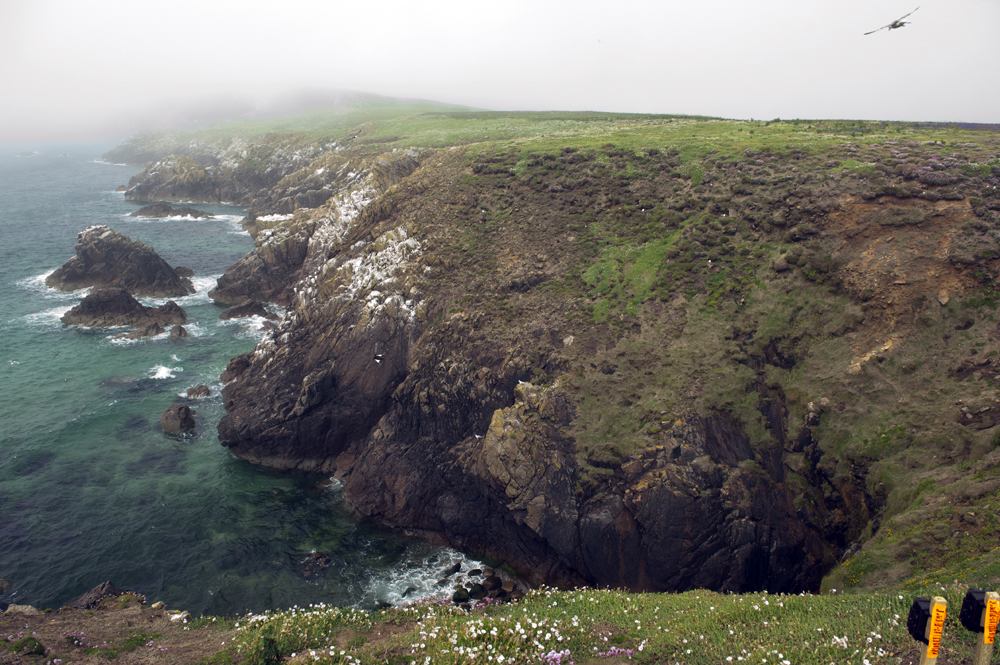
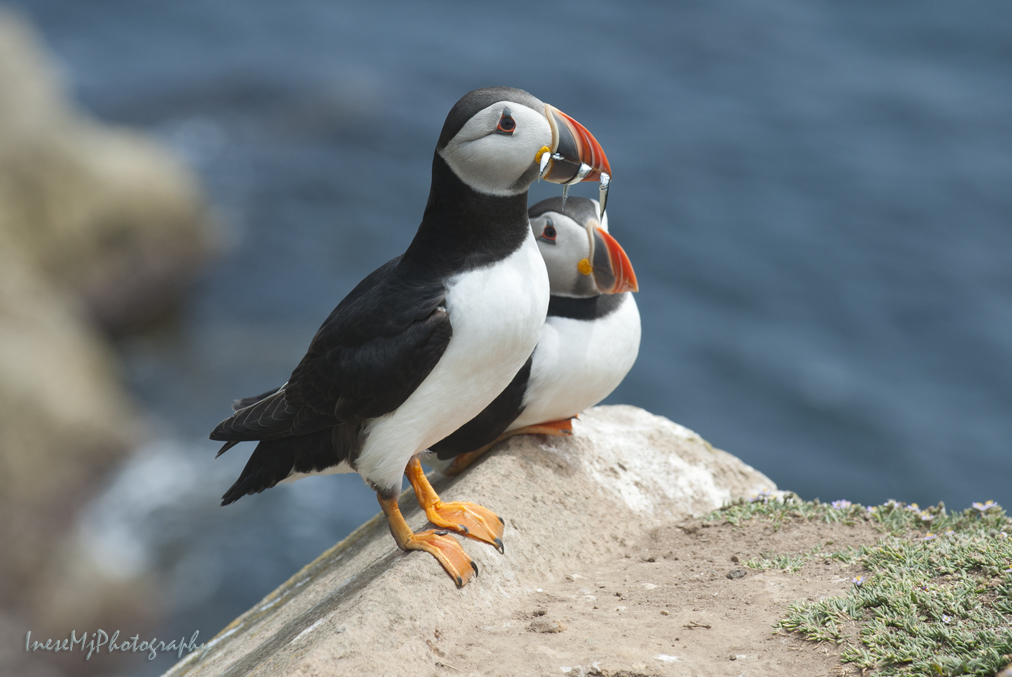
The cliffs surrounding the first bay  near the cave known as the Wherry Hole are the nesting place for Atlantic Puffins.

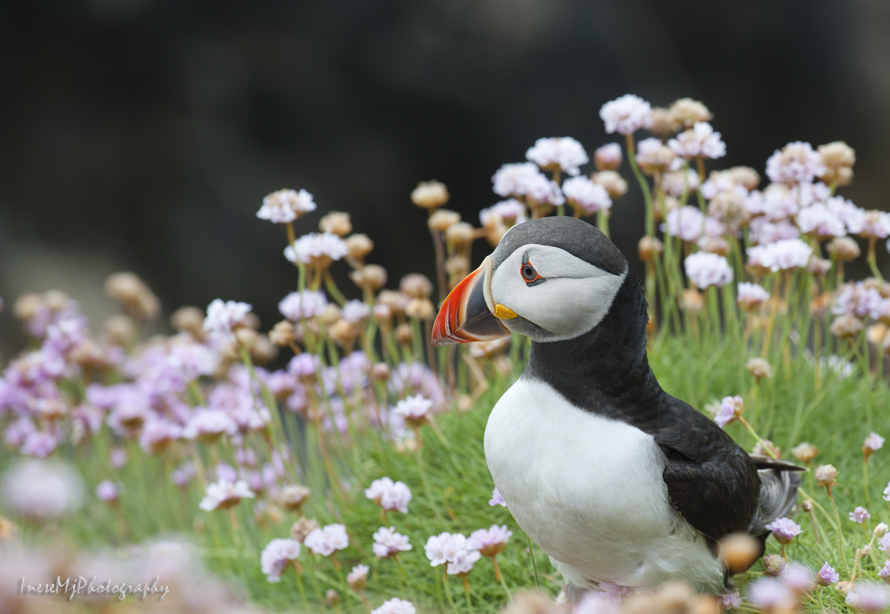
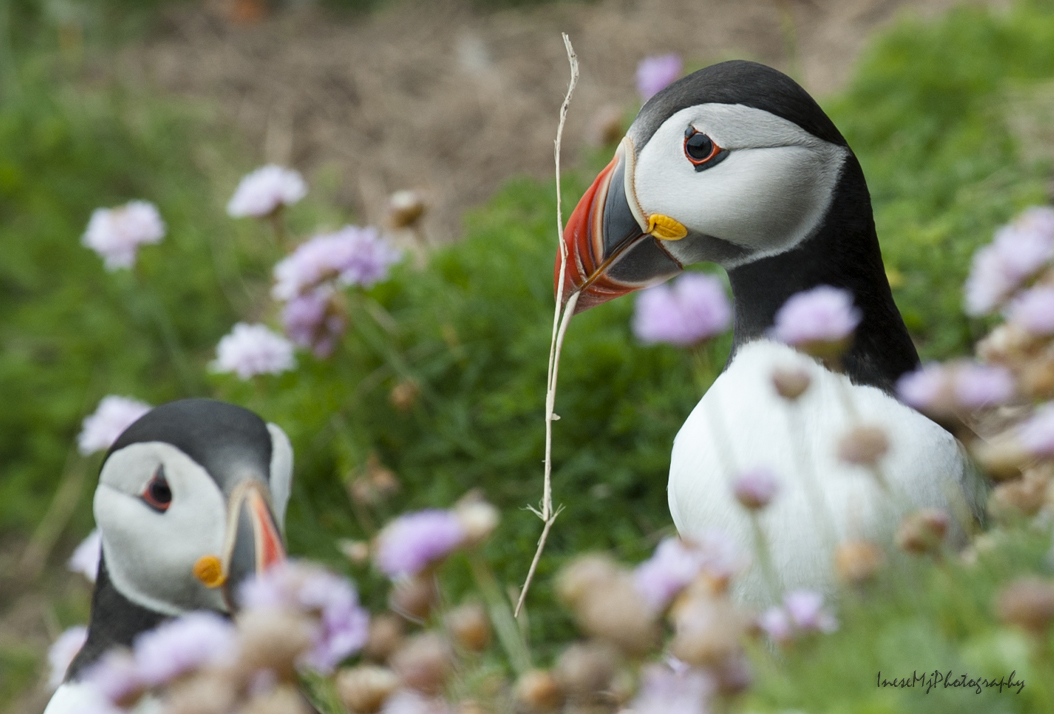
I am very glad to tell you that there were remarkably more puffins this year than the year before.  Knowing that the birds return to their old burrows, I went to check out my buddy who made such a great model for me last year, and there he was – with some more neighbours, possibly his own grown up chicks from the previous years.

Saltee_Islands

Puffins start breeding when they are five years old.  They use their pre-breeding years to learn about feeding places, choosing a mate and nest sites.

I went around for some more shots. The fun will start in the afternoon when the puffins go fishing and return with the bunches of the Sand eels in their beaks.

Saltee_Islands

Saltee_Islands

Saltee_Islands

Saltee_Islands

Saltee_Islands

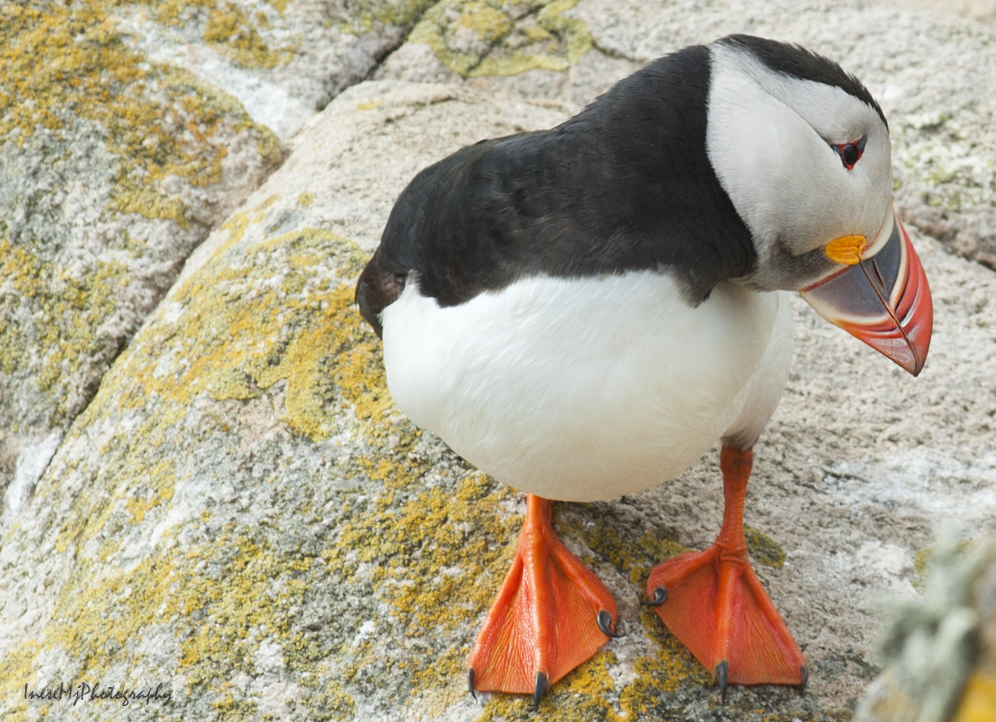
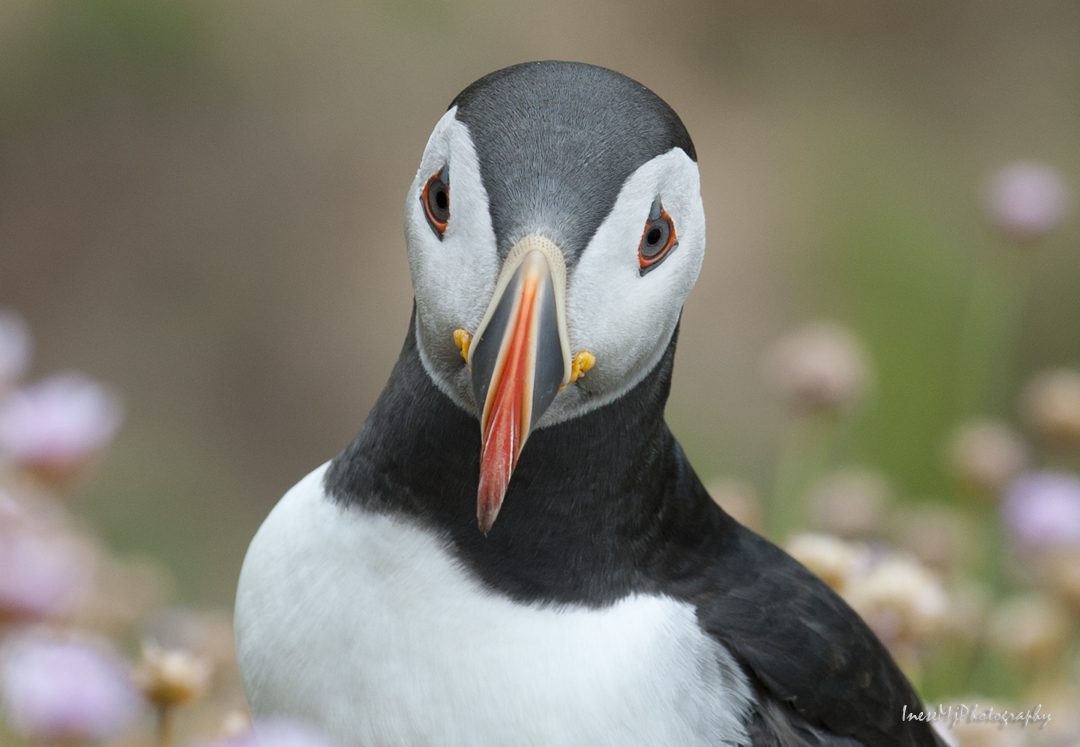
During winter, the beaks and feet of puffins fade in color, and every spring they turn  bright orange again in preparation for the breeding season.  The beak increases in size as the bird matures.

Here you can listen to a puffin  –  you will love it 🙂  Puffins usually make noises when sitting in their burrows, and the acoustics are very impressive.  I will post the link separately to give a credit to ProjectPuffin : http://projectpuffin.audubon.org/sites/default/files/audio/atpu.wav

In this photograph you can see two cameras set up by the Ornithologists to watch the puffins.

Saltee_Islands

We came a couple of weeks too early: most of the puffins young haven’t hatched yet,  but still we got lucky to see some feeding birds that afternoon.

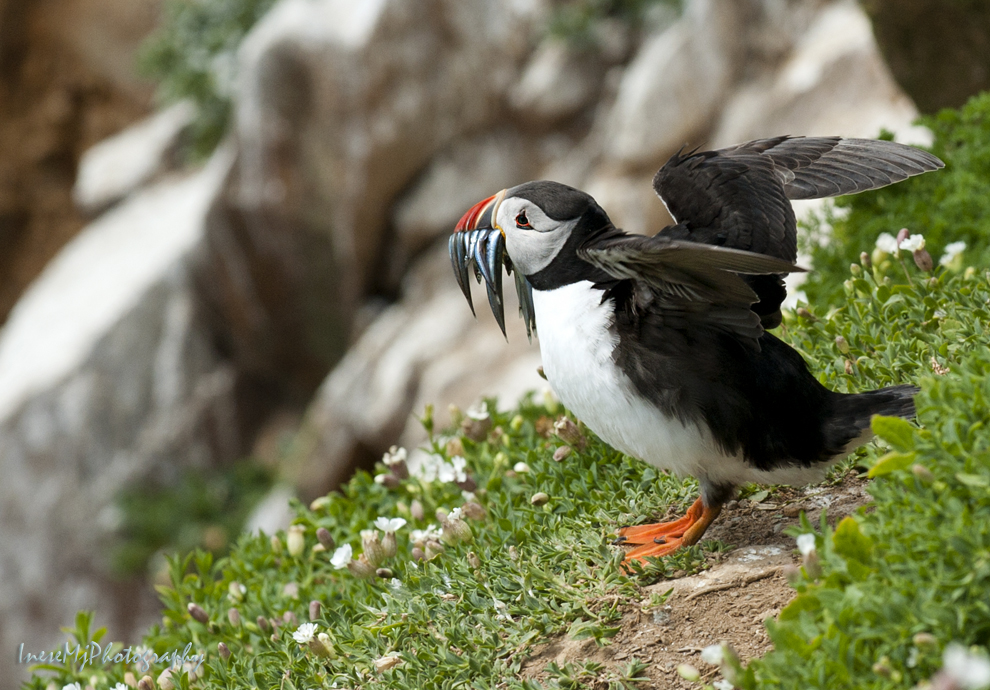
The puffin’s beak can hold up to 60 fish.  The raspy tongue holds fish against spines on the palate allowing the puffin to open his  beak to catch more fish.

Saltee_Islands

Saltee_Islands

Saltee_Islands

We were lucky with the weather also. It was a dry day,  a little bit overcast. It is difficult to take photographs of puffins in the sun because of their black and white plumage.

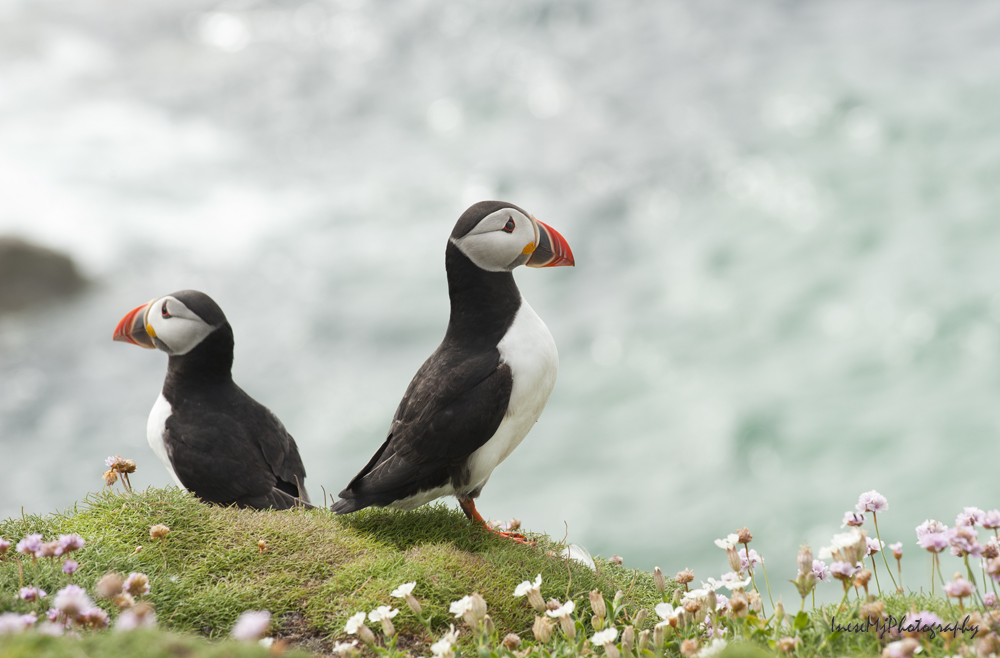
A few more puffins. The couples stay together all their life. Males are usually slightly larger than females, otherwise there is no difference.

Saltee_Islands

Saltee_Islands

This family is still working on their nest.  Puffins lay one egg per year.

Saltee_Islands

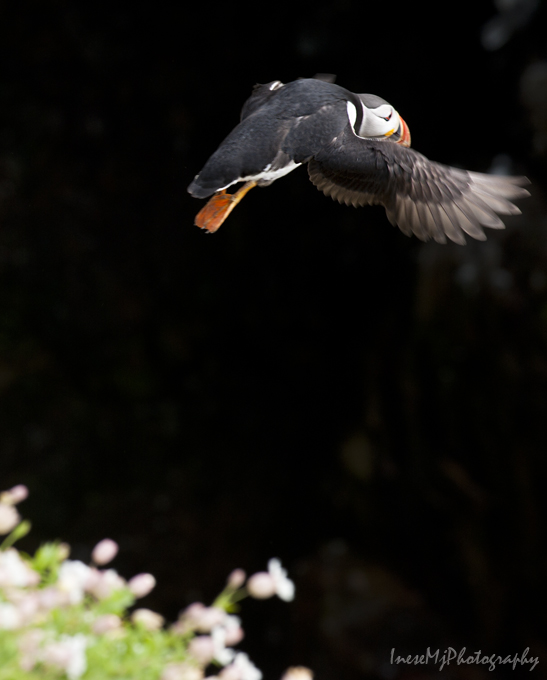
Puffins are very clumsy on the ground and in the flight. They are rather falling than landing, with a thud. In this photograph you can see some spots around the puffin. You might think it is some dirt on my lens, but it is the sand in the air. When a puffin is taking off he beats his wings and lifts up all the dust and sand.

A puffin can fly 48 to 55 mph (77 to 88 km/hr) though.  The wings can move so fast that they become a blur.

Saltee_Islands

Great Saltee Island is some 2-3 km long.  I am leaving the Puffins’ place and start hiking to the Southern part of the island along the well-trodden path.

Saltee_Islands

Saltee_Islands

Saltee_Islands

The islands  were used as a base for pirates and smugglers for centuries. The gain of these folks could very well be hidden in the many caves, like the one in the image above, but there are treasures bigger than money, and they are not hidden anywhere.

More from the Saltees in the end of the week. Hope you loved the puffins.

IneseMjPhotographyHave a peaceful week!
Meet the Past: Dolmens and Fairy Raths

fairy_rath

The past and the present in rural Ireland are balanced and closely tied up together. I want to share some photographs of ancient things taken in different years and seasons, and thank the thoughtful farmers who are the guardians and protectors of the balance.

There are about 190 dolmens in Ireland.  Dolmens have an entrance – the portal. Another name for dolmens is Portal tomb, because most of them are associated with graves.

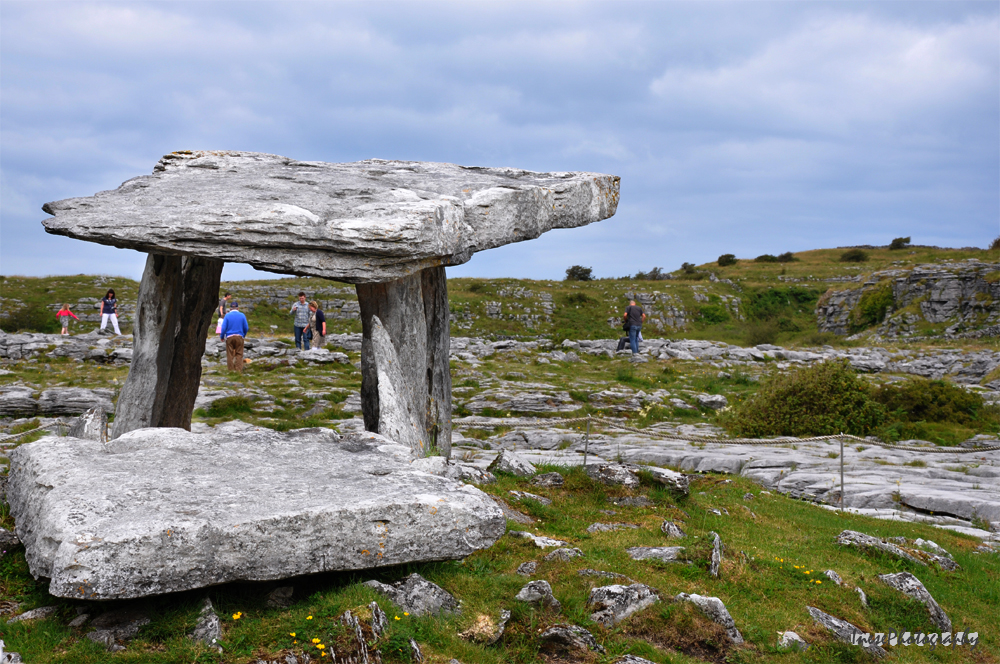
The most visited dolmen is Poulnabrone portal dolmen  – a fine megalithic monument in the Burren, Co Clare .

dolmen

The site was excavated in 1980, and the bones of 21 people – 16 adults and 5 children –  were found. The bones were dated from 3800-3200 BC. There were also many other finds like stone tools, arrow heads, beads and even the head of a bone pin.

dolmen

The natural limestone formations in the Burren are called grykes and clints ( you see them in the image below) 

dolmen

The magnificent Proleek dolmen is also known as the Giant’s Load. It is situated in Co Louth near Dundalk, in the grounds of   Ballymascanlon Hotel.

dolmen

The dolmen  is about 3 m high and has a round capstone weighing approximately 35 tons. Legend says that a wish will be granted to anyone who can throw a pebble on its capstone so that it stays there.

dolmen

Another impressive megalithic structure is Knockeen  dolmen located near Tramore, Co Waterford.

dolmen

The dolmen is about 3 m high, and has two enormous capstones.

dolmen

Next to the dolmen is an old graveyard, quite overgrown. This is what it looks like in the end of December…

old_graveyard

A few minutes drive from Knockeen dolmen, there is another amazing megalith – Gaulstown dolmen. If you are interested, here is a Tramore area Dolmen map,  but you have to know that some of the dolmens cannot  be seen from the road.

dolmen

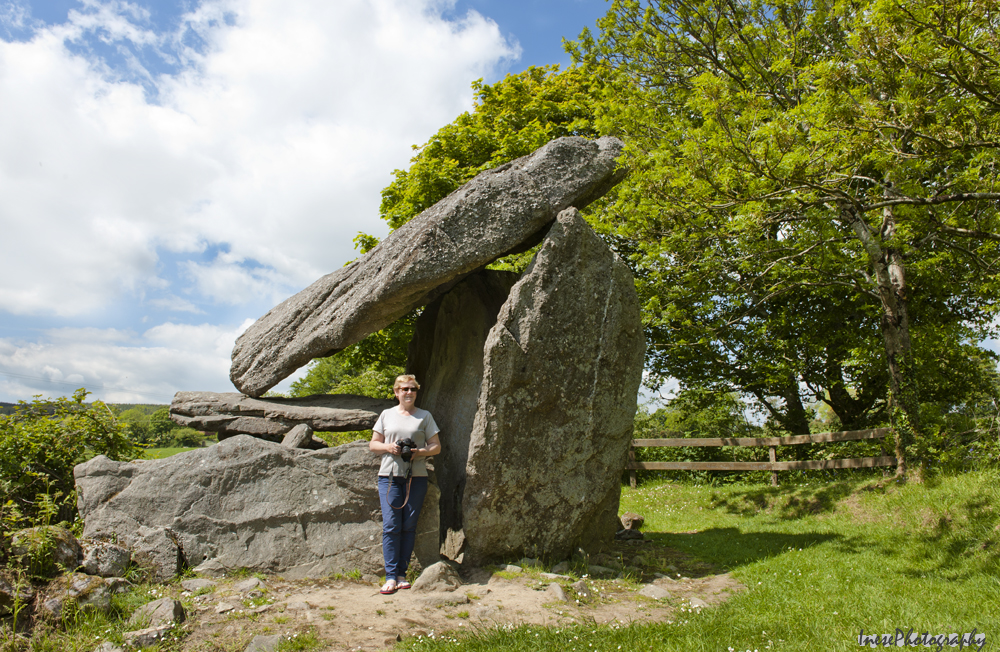
This is one of the dolmens that is accessible a whole year. Kilmogue dolmen, or Harristown dolmen, or Leac an Scail, is Ireland’s tallest dolmen at almost 5 meters or 15 feet from the ground to the tip of the capstone. It is situated near Templeorum, Co Kilkenny.

dolmen

dolmen

Another fascinating structure is a Fairy rath.

There are about 50.000 Fairy  raths, or Fairy forts in Ireland –  the remains of the Bronze Age – Iron Age circular dwellings. It is what the archeologists say. The ancient books say that the raths are the portals to the magical world of the Tuatha Dé Danann little people,  the fairies.

As you see, the trees grow only on the edges of the circular wall  and the central section. Why? No one knows.

fairy_rath

The ditch, or moat, is very deep, and there is no growth. Who can explain this?

fairy_rath

No one in their sound mind would cut a tree or even break a branch from a rath. Most of people believe that  if they do so, they would be followed by bad luck. Here you can read what happens when you don’t respect the fairies.   

fairy_rath

The Fairy raths were used as burial grounds for the  babies who died before they could be baptized, and had thus been denied  a burial in the Church grounds.  If the Catholic God would not accept the little ones, the ancient Gods would accept them. Babies buried in raths were thought to be protected by the fairies.

Thank you for taking a trip to the ancient places with me! Hope you enjoyed the reading.
IneseMjPhotographyHave a great week!

Mountain Grove

Ireland

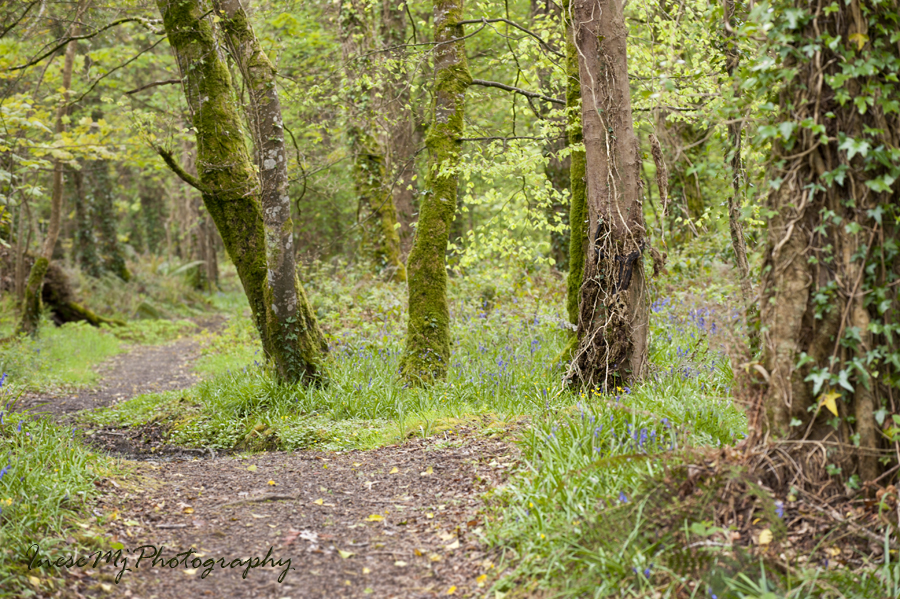
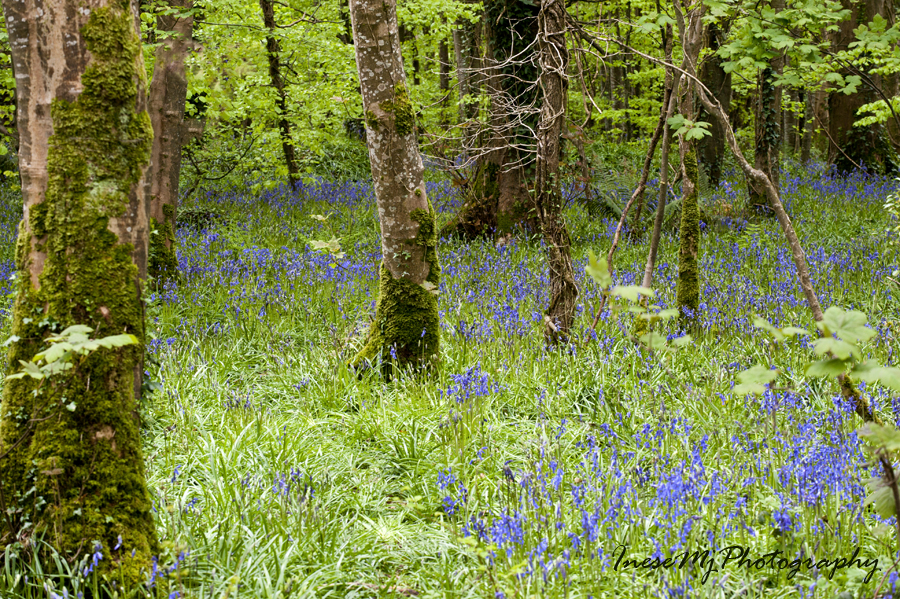
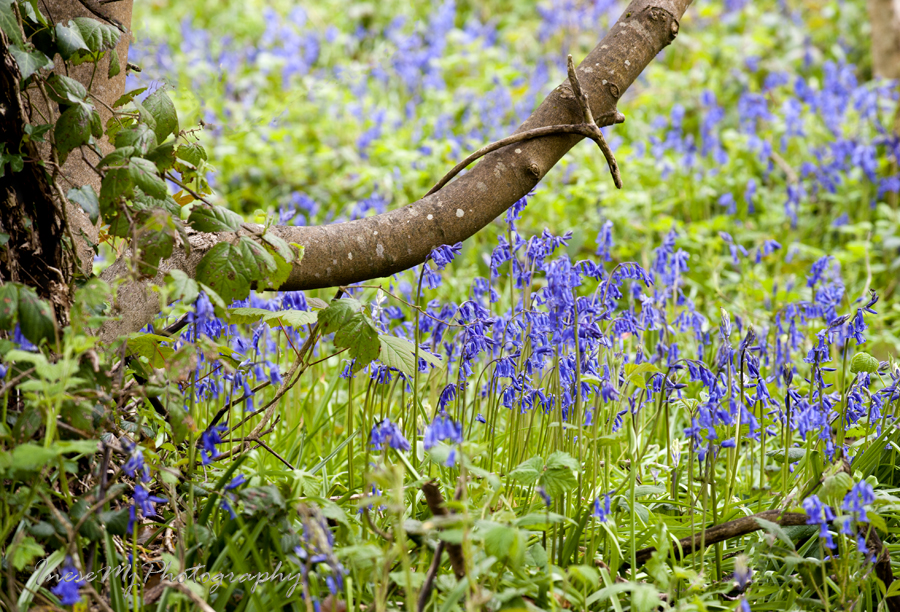
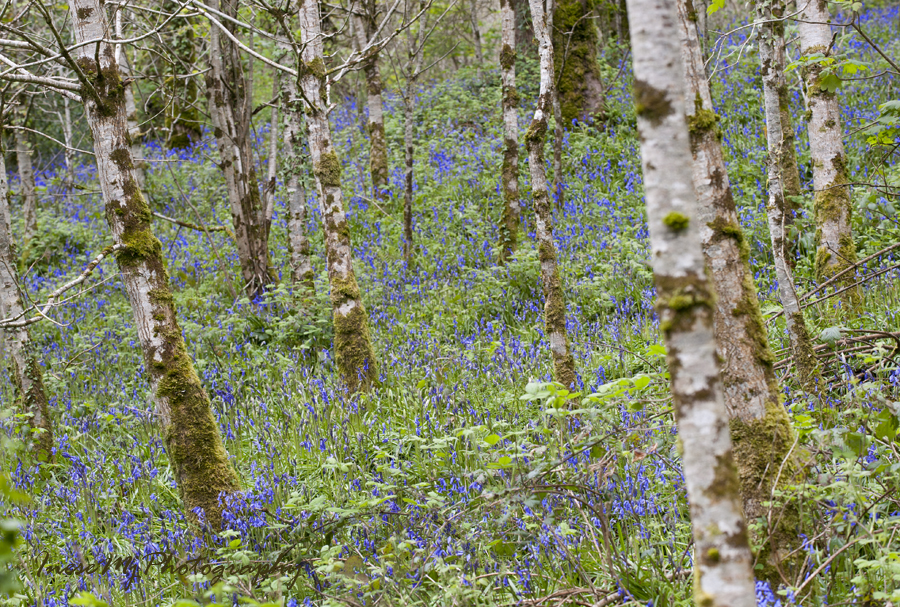
One of my first WordPress posts was the one about Jenkinstown Woods. Now, after a year, I am visiting another bluebell forest, Mountain Grove – a loop trail just outside Piltown, Co Kilkenny.

Mountain Grove is an old woodland part of Piltown forest that is located in South West Kilkenny, covering an area of 1,823 hectares. The forest stretches to the Tipperary border on the west and to the Waterford border on the south, along  the river Suir. The main tree species growing in the forest include Sitka spruce, larch, Douglas fir, beech, ash and oak, with the broadleaves dominating in Mountain Grove – as you can see in the images.

Starting off from the tiny parking spot, I meet two dog walkers and from this moment I am there alone for a whole two hours.

Ireland

The quietness is almost surreal. The birds are nesting and prefer not to expose themselves, and I don’t see any presence of the mammals either – dogs have scared them away from the grove.

Ireland

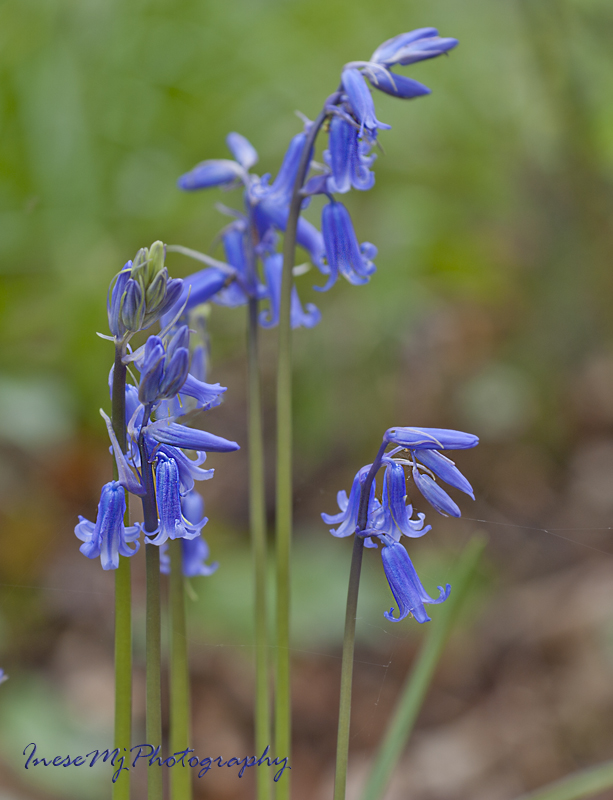
The bluebells are scarce but nevertheless their fragrance is intense, sweet and alluring. I walk off the trail and feel like I disappear from the world and become a part of the wild woodland.

Ireland

Ireland

Ireland

Ireland

Ireland

Ireland

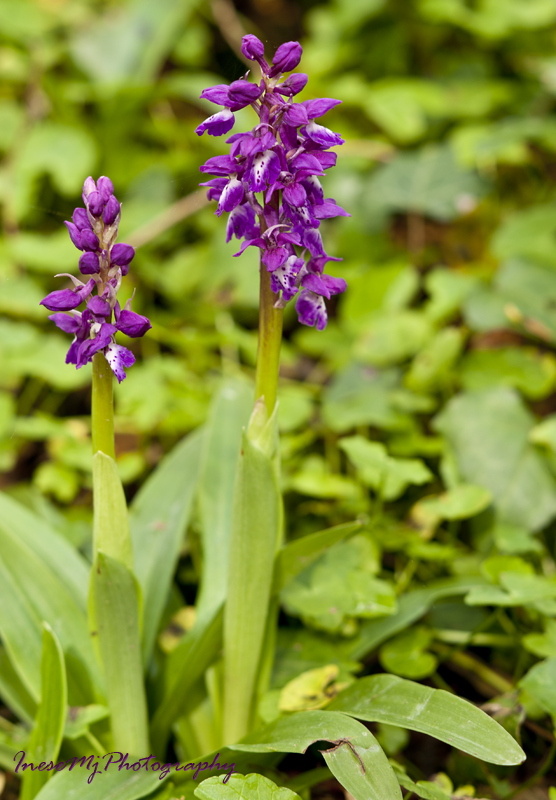
The Early purple orchid, once a common plant, is a rare guest in the woodlands. Many wild orchids are legally protected, but this fact does not stop people from picking them… A friend went to the Mountain Grove just three days later and didn’t find a single flower – all gone. People don’t realize that it takes years for the orchids to germinate.

The early purple orchid is the “long purple” of Ophelia’s garland, as referred to by Gertrude in Shakespeare’s Hamlet:

“Of crow-flowers, nettles, daisies, and long purples, that liberal shepherds give a grosser name”

Ireland

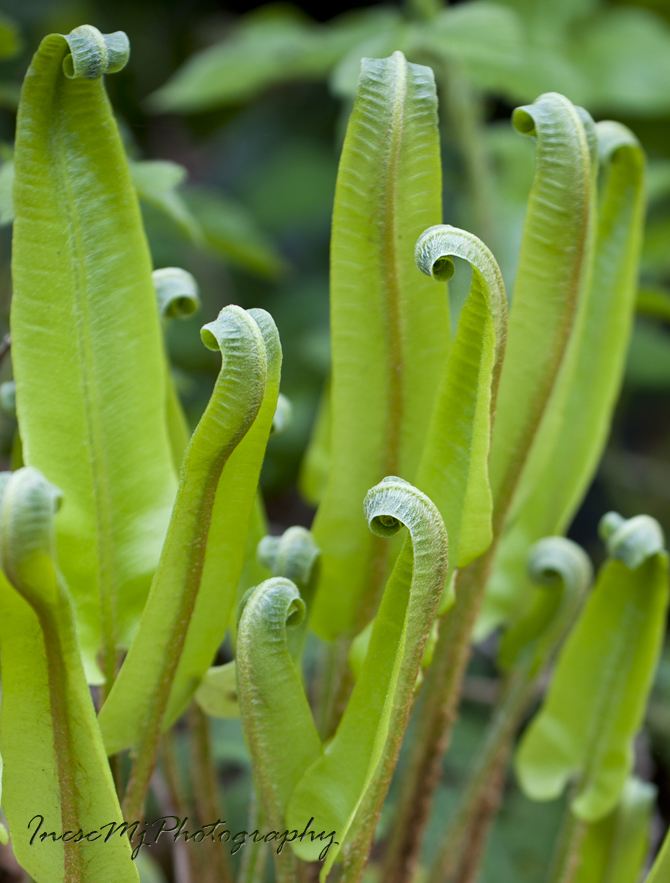
Different species of Ferns started unrolling their young fronds. In the image below – Hart’s tongue fern (Asplenium scolopendrium).

Ireland

And of course there is a beautiful yet nameless stream.

Ireland

Ireland

I will be back!

Ireland

Hope you enjoyed the woodlands.

inesemjphotographyHave a happy week!

Cork City Gaol: inside prison walls

gaol

I had many plans for the Halloween blog edition, but none of them worked out because of the rainy weather.  So I figured that it would be  better if I moved under a roof  for my photo shoots,  and a prison roof would do just fine.

gaol

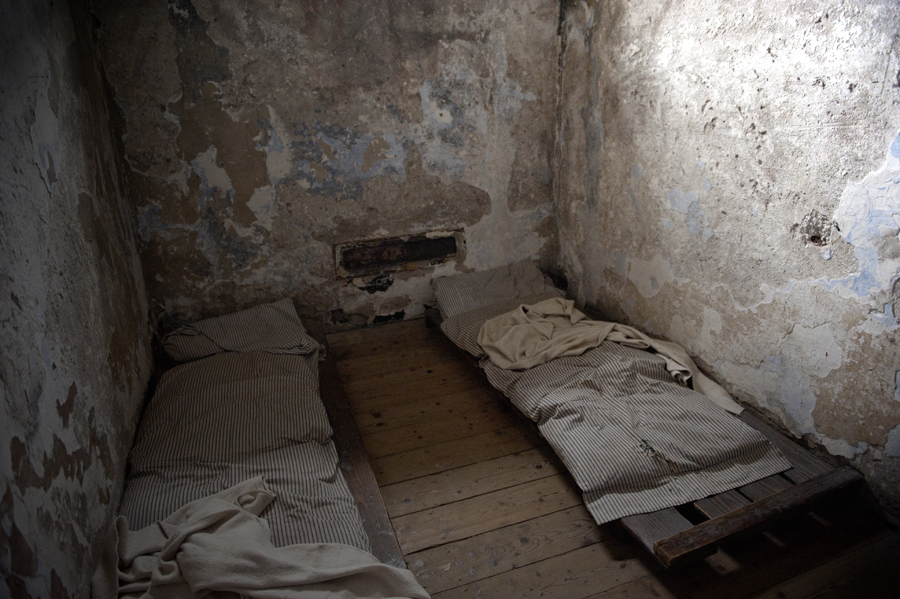
Cork City Gaol housed prisoners for almost a century and was closed in 1924. This is an image of a cell. Like to try? You may get inside and close the door to experience what life might have been like for a prisoner in the Gaol. An Irish writer Frank O’Connor was one of those who served time in the Gaol for their part in the Irish Civil War, and he later wrote that the cots and blankets were crawling with lice.

gaol

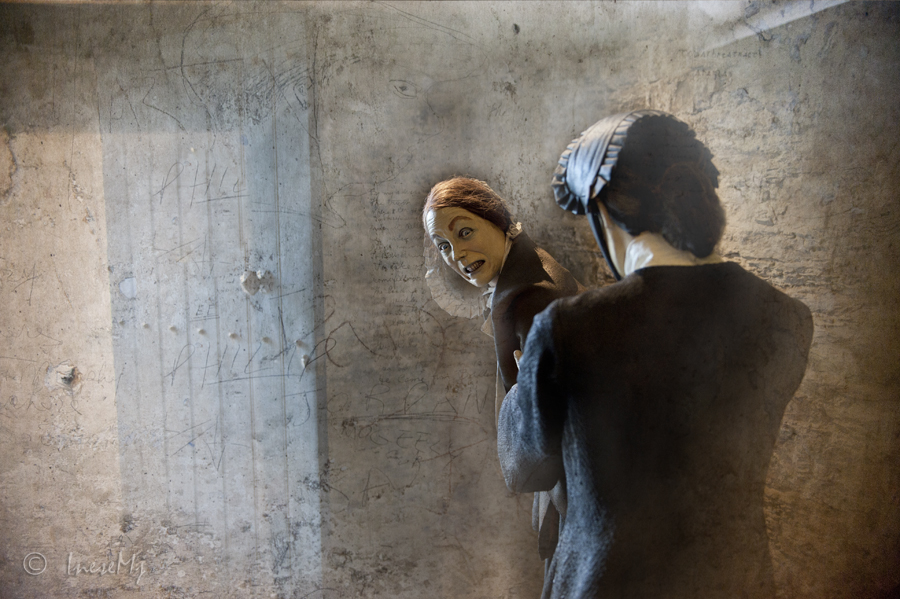
There is a cell with some original graffiti left by  prisoners who served time here in the 1920’s.  I took a picture of that wall and when I came home and started processing it, something extraordinary happened: the ghosts of the prisoners and staff revealed themselves in my images…

gaol

This is Mary Sullivan. She looks like a bloodthirsty murderer, but in fact she is a seamstress and in 1865 she received a seven year sentence following her eighth conviction for the theft of cloth.  She is just after being deloused according to prison regulations, and ready to see the Governor John Barry Murphy.

gaol

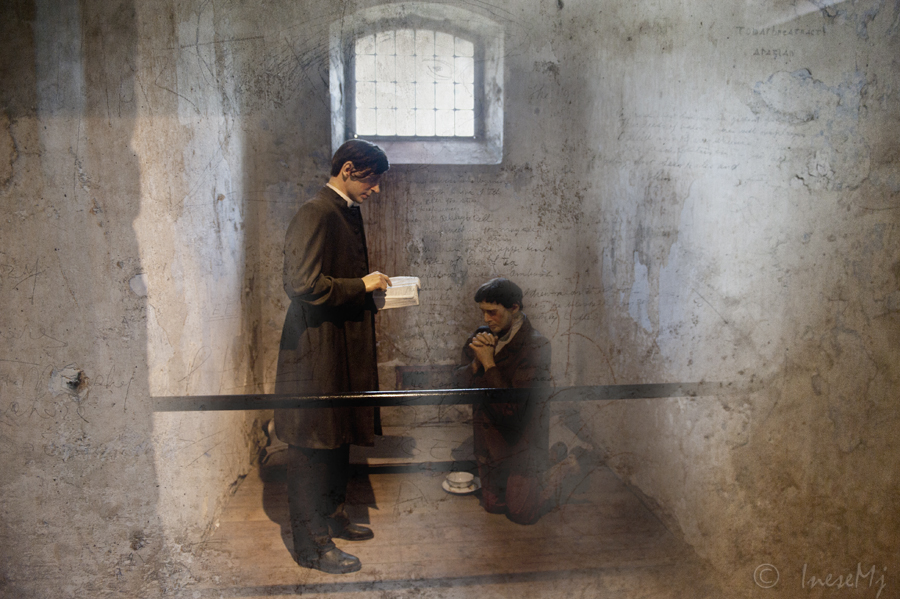
This is Thomas Raile. He was convicted of stealing some books. Serving his time in a solitary confinement, he got an opportunity to contemplate his wrongdoings and has turned to religion for guidance. Rev. Nelligan is counselling him, but it won’t help much: on release from prison Thomas won’t be able to get good references and his life will speedily go down the drain.

gaol

This young woman is Mary Ann Twohig, a 16 year old mother. She was heavily pregnant when she stole a cloth cap and some kitchen utensils with an intention to pawn them and get some money. Due to the pregnancy she was sentenced to only two months, without hard labor.

gaol

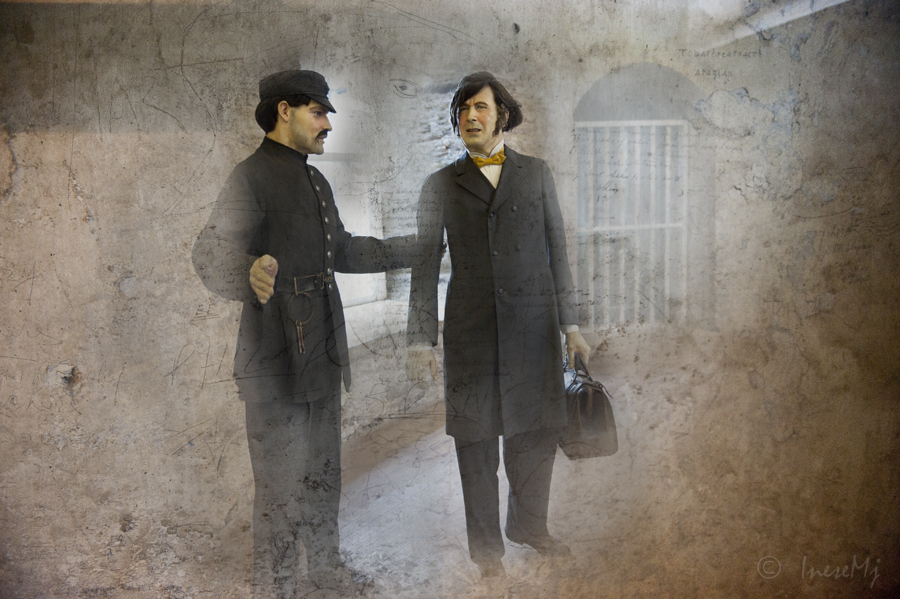
This is Dr. Beamish.  A warder is walking him to the cell where he is going to attend a sick prisoner. Overworked and underpaid, Dr. Beamish  has spent many years carrying his medical bag from cell to cell and fighting all sorts of infections and injuries.

gaol

Two off-duty warders are playing cards. In this room lives a warder and his whole family.

gaol

This is a model of the Gaol. The wings are currently in derelict condition and closed to public. You might be interested to know what is that small building at the back. Well, there were always prisoners and prisoners. The small building is the Debtor’s Gaol. Some well off people fail to pay their debts and are sent to prison, but not to the main Gaol. They settle with their own furniture and clothes in the Debtor’s Gaol, and even have their food delivered to them.

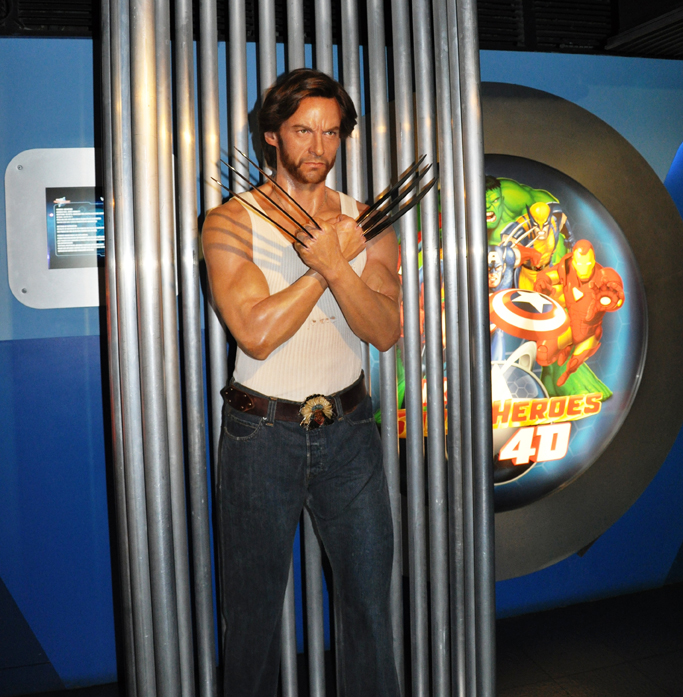
There is a lot more to see, but to be honest, the wax  figures give me the creeps…  And it doesn’t matter either they are of the prisoners of the Gaol, or any other person…

wax

wax

And here is an appropriate piece of music – Johnny Cash – Folsom Prison Blues!


Happy  Halloween to all!

Cork City Gaol.

Photography tip of the day: Do a research before you buy a camera or any photography equipment, including the batteries you are going to use for your Speedlite. Everything.

inese_mj_photographyHave a great Halloween weekend!