Ireland

Dublin Zoo II

Dublin Zoo

Shortly after my trip to the Zoo I read this blog post on Weave A Web. It is supposed to be humorous – which it sure is – but in connection with my zoo visit, it gave me some food for thoughts. Do we really need to interfere and ‘improve’ the Nature? Is the ‘conservation’ real? What is the percentage of successful reintroduction of a species to the wild? Especially if ‘the wild’ is made unlivable for animals by humans.

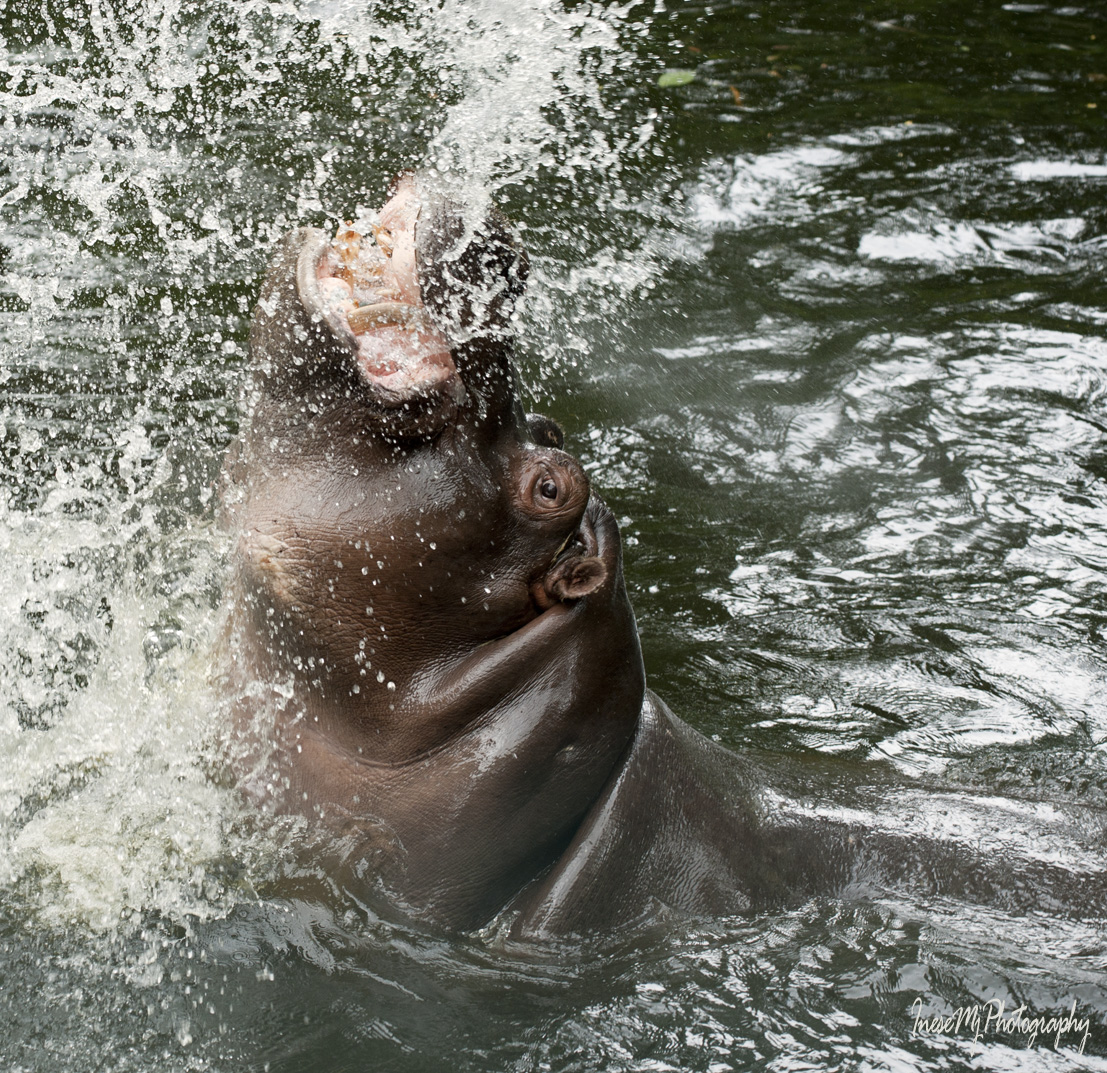
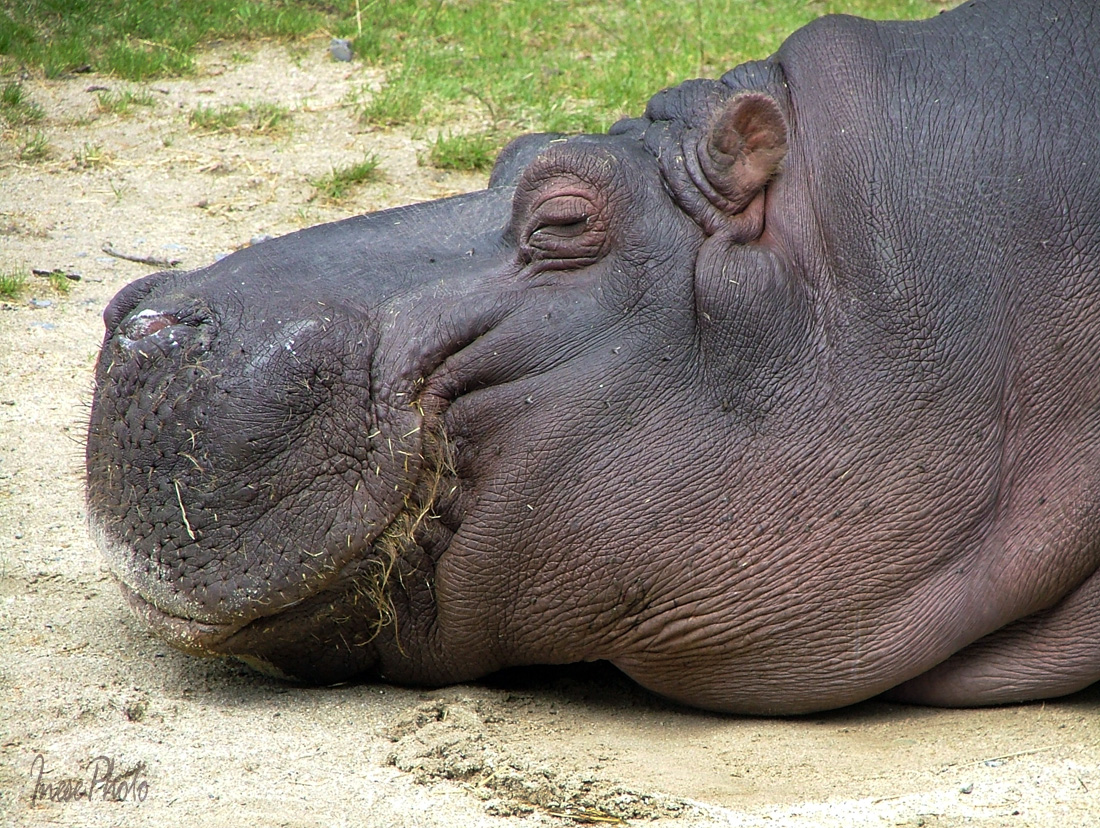
I don’t want to upset you at the beginning of my post. Let’s go back to the hippos and watch Atiya and her antics.

Dublin Zoo

Dublin Zoo

Dublin Zoo

Dublin Zoo

In 2002 a tragedy struck. Linda, a 28 years old female hippo, became ill and died. A post mortem revealed the tennis ball blocked her intestine. As they don’t sell tennis balls in the zoo, it had to have been brought in by a visitor. Linda’s 13 month old son Hoovie who had never left her side, kept wandering around the enclosure, lonely and confused, looking for his mother. Henry, her mate of 16 years, was left bereft. Later he got a new mate, Heidi.
Dublin zoo 2007

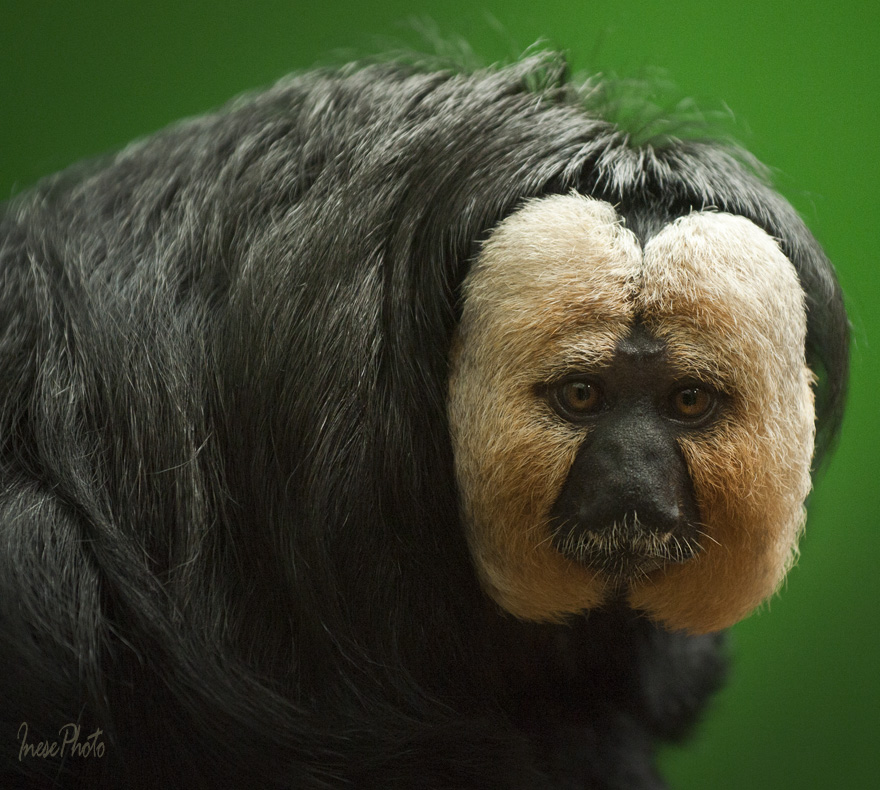
The last group of animals we will visit today are our ‘cousins’, the primates.  Saki monkey in this picture looks gorgeous, but I would love to see him more contented.
Dublin Zoo

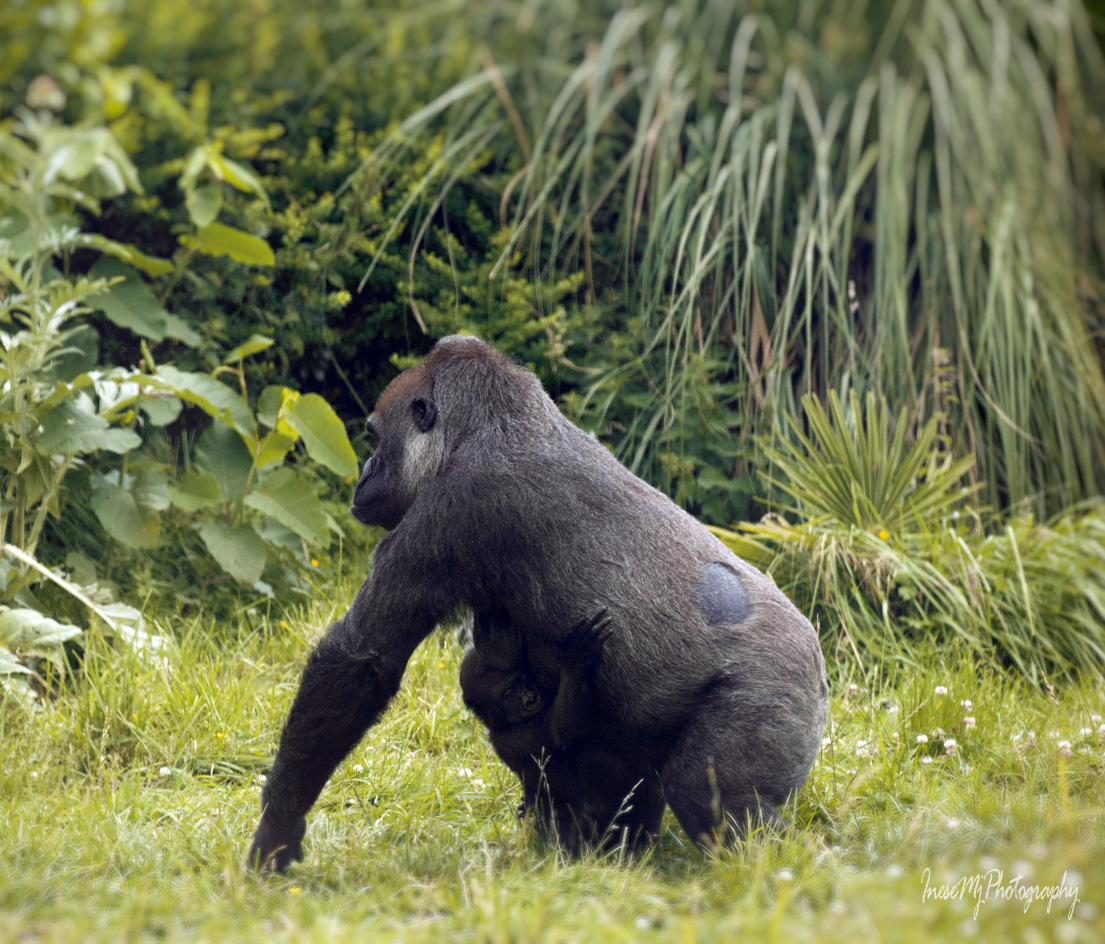
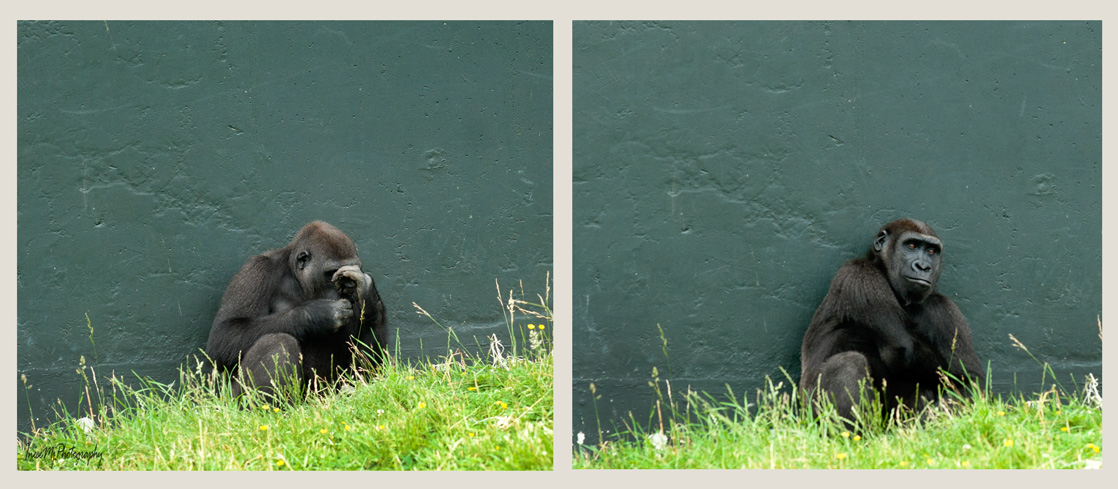
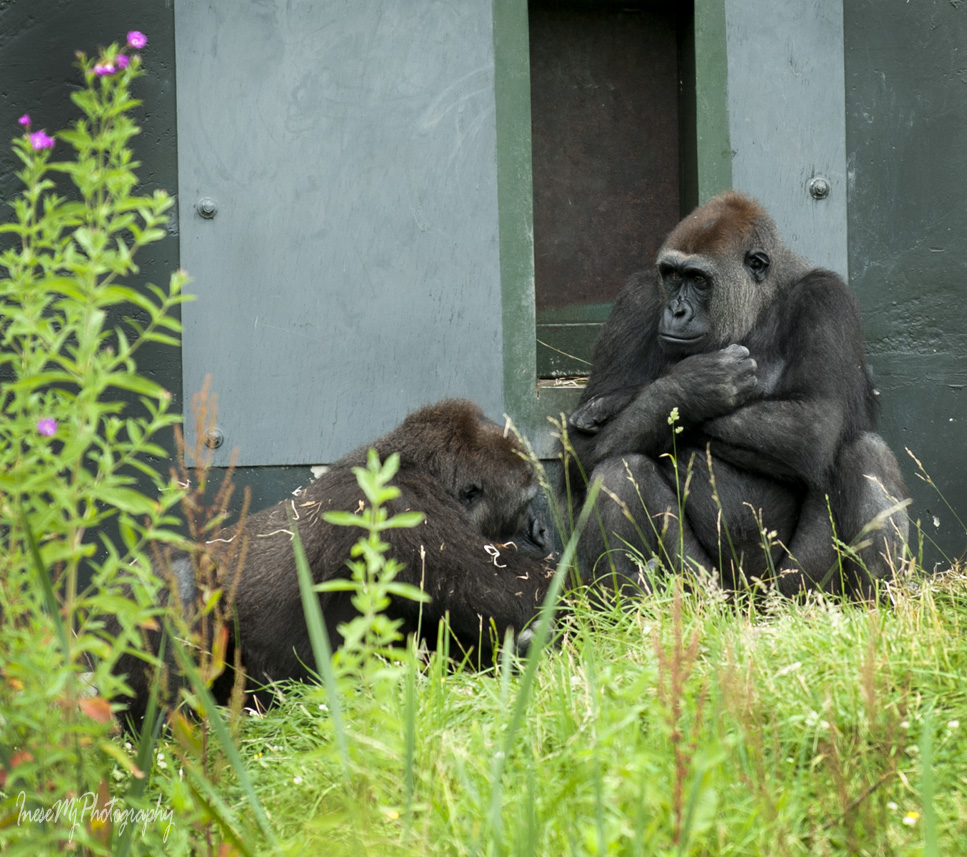
Western lowland gorillas look even less contented. It was the saddest place I visited in the zoo.
Dublin Zoo

Are they still grieving?  Sunday May 29 2016 was one of the saddest days in the zoo. Harry, the ‘gentle giant’, beloved silverback passed away. Ireland was heartbroken.
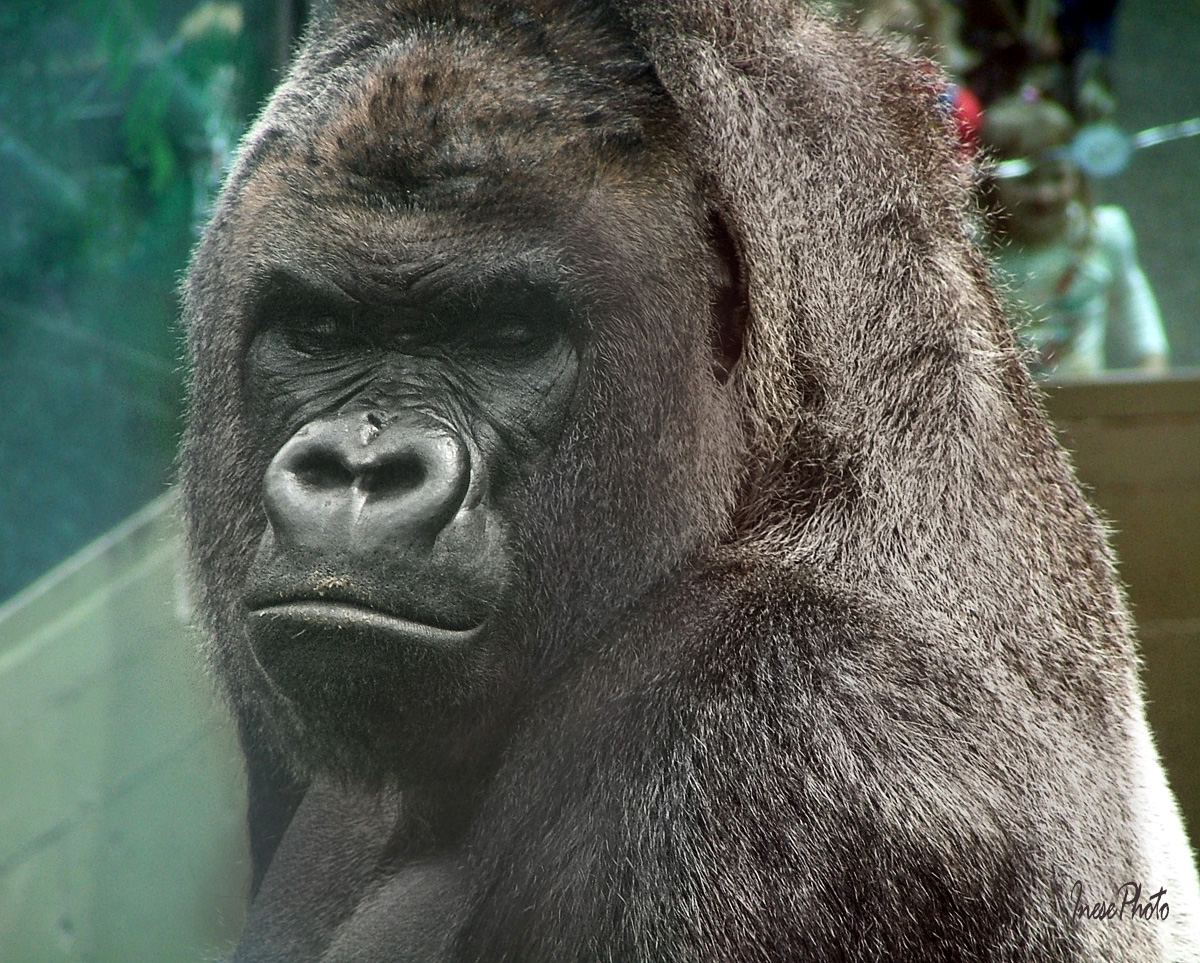
harry

Harry presumably suffered a stroke after being unwell for a few days.

Harry arrived at Dublin Zoo in September 1995 when he was just nine years old. He was 29 when he died. His mate of 21 years, Lena, and the other gorillas  searched the island for Harry and cried. Lena and Harry had six babies over the years. When Harry died, she was pregnant and gave birth to a healthy baby boy Kitoko two months later.
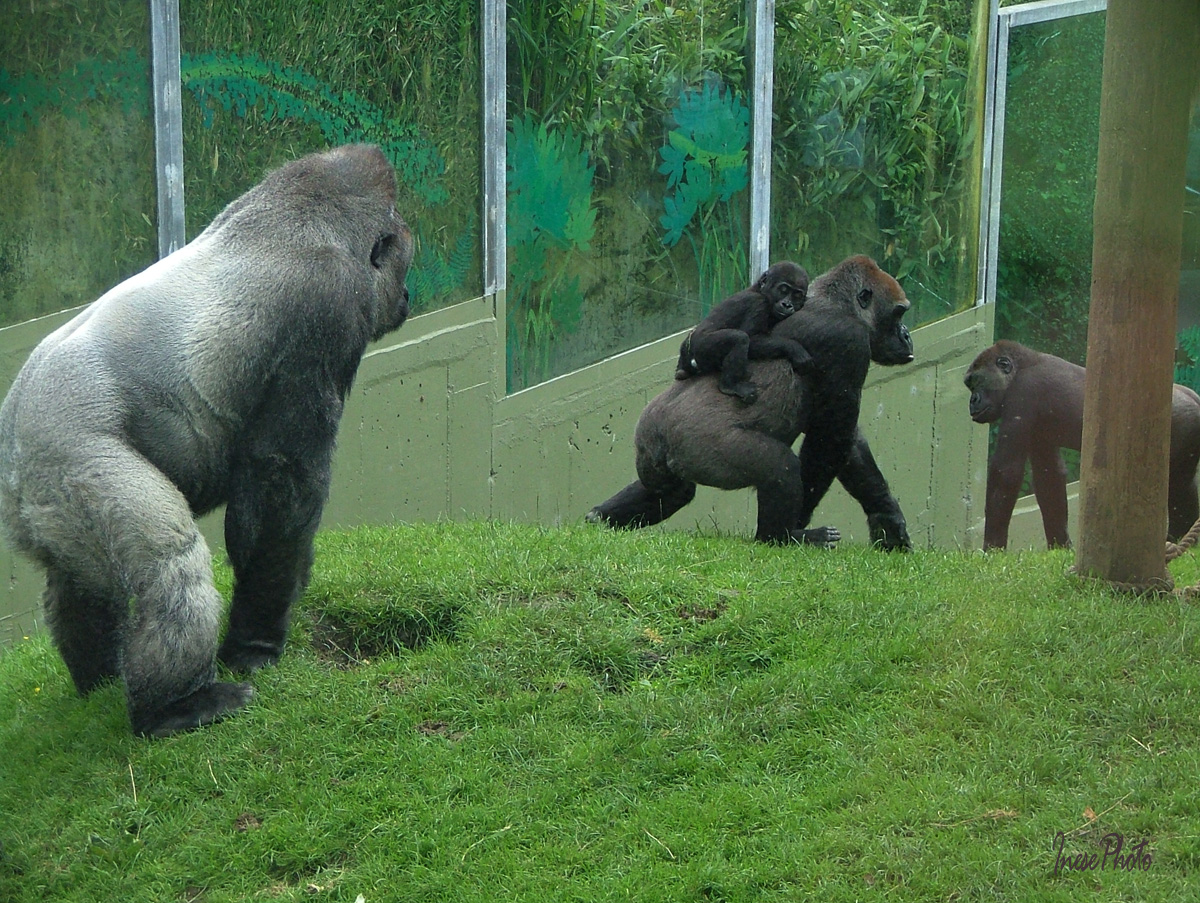
harry

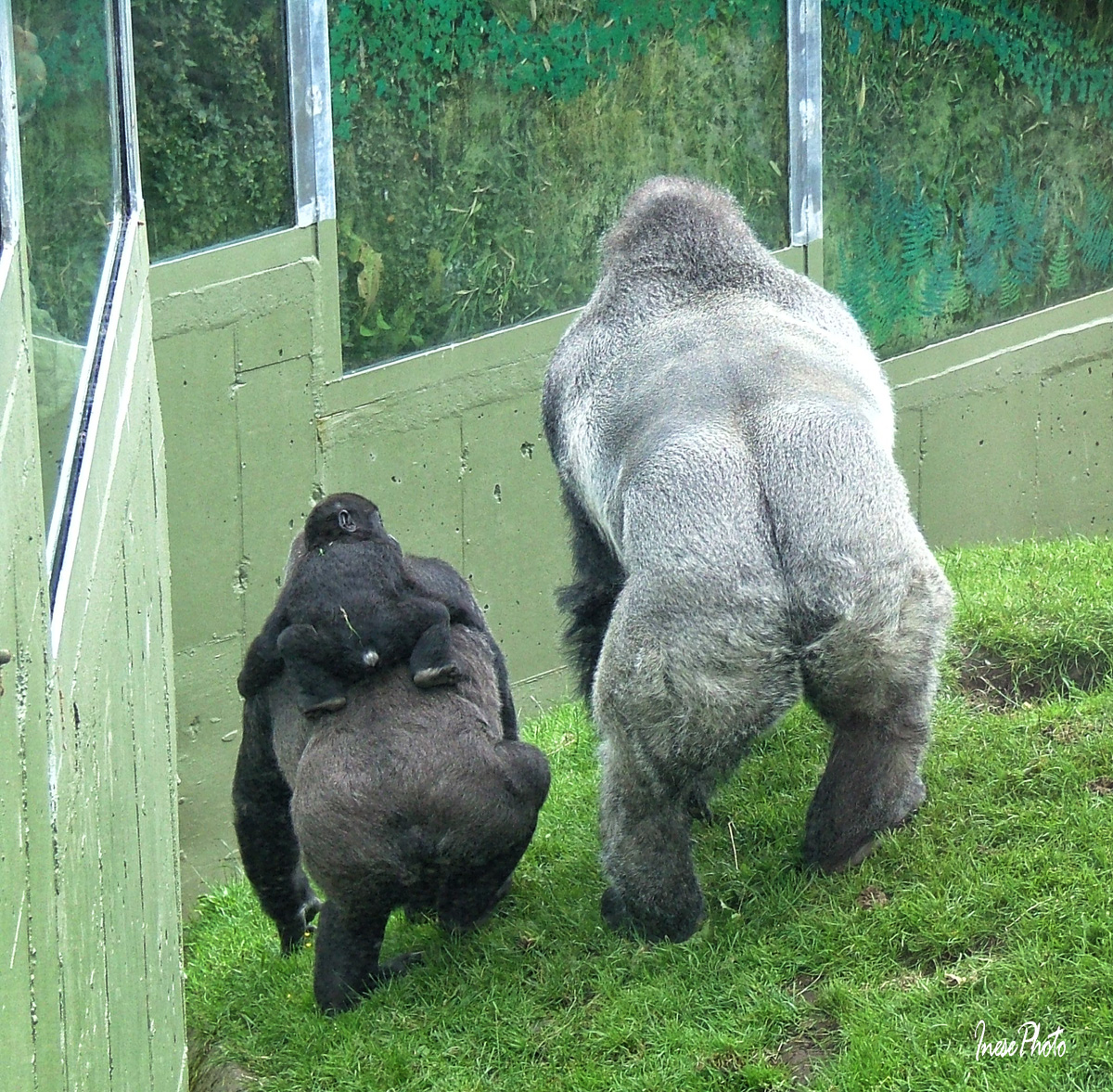
It is what their enclosure looked like in 2007. The main entertainment was to sit and stare through the glass into the greenery.
harry

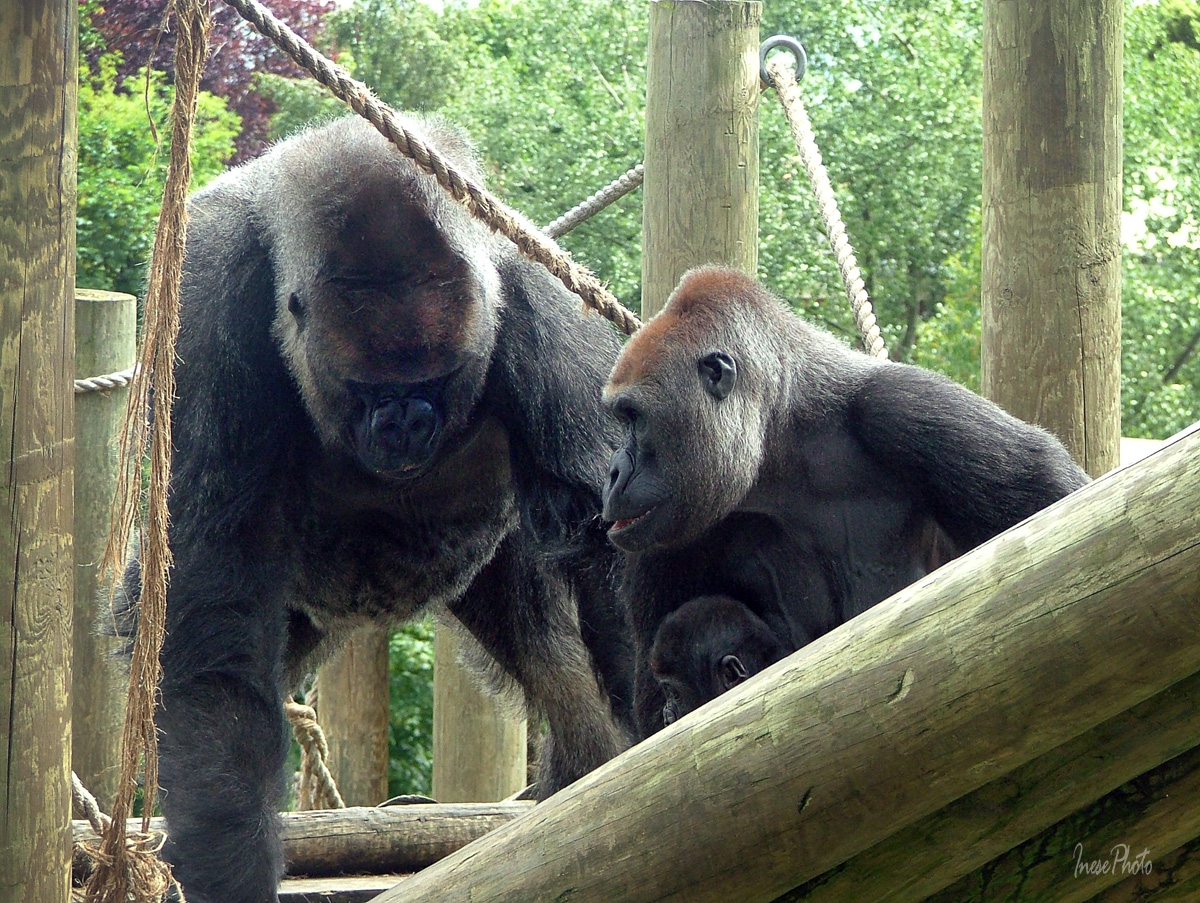
Henry died shortly after the troupe were relocated to the spacious Gorilla Rainforest. Was it too much for the 29 years old leader to monitor such a big territory? I don’t know. He was a great leader anyway, calm and gentle. If a fight broke out, he would step in and stop the conflict.
harry

Life is going on. New babies are born in Gorilla Rainforest.

Dublin Zoo

Dublin Zoo

Dublin Zoo

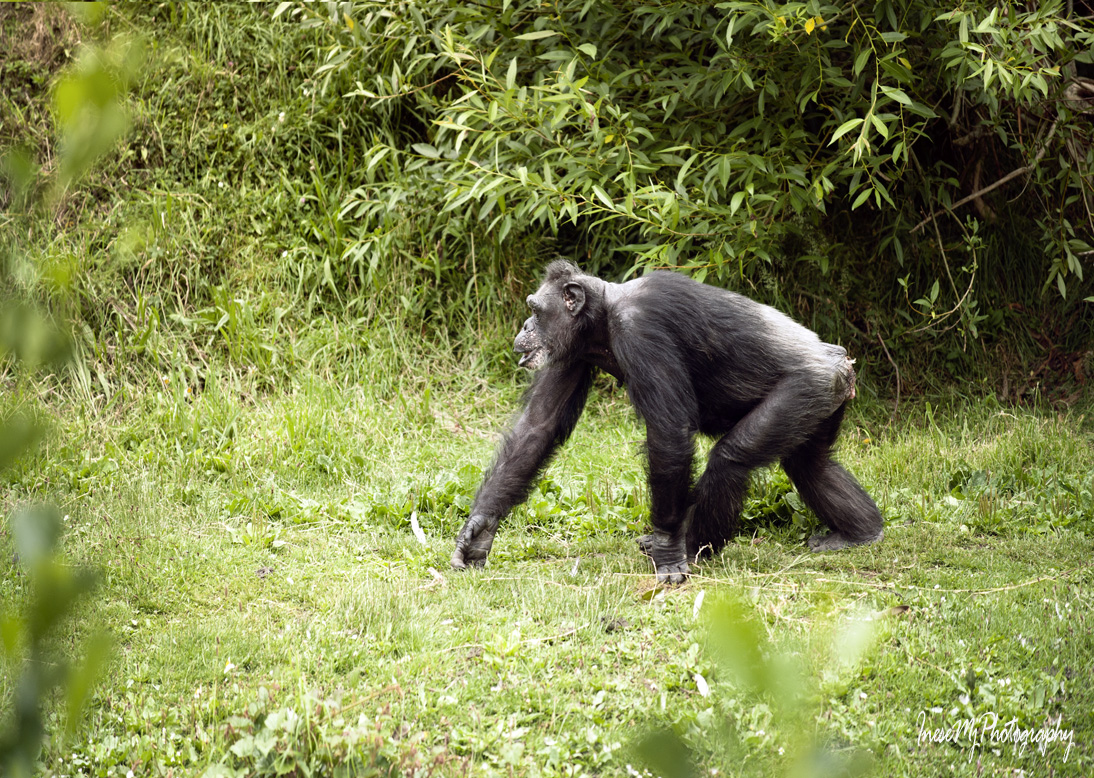
And here are some pictures from the Chimpanzee Island.

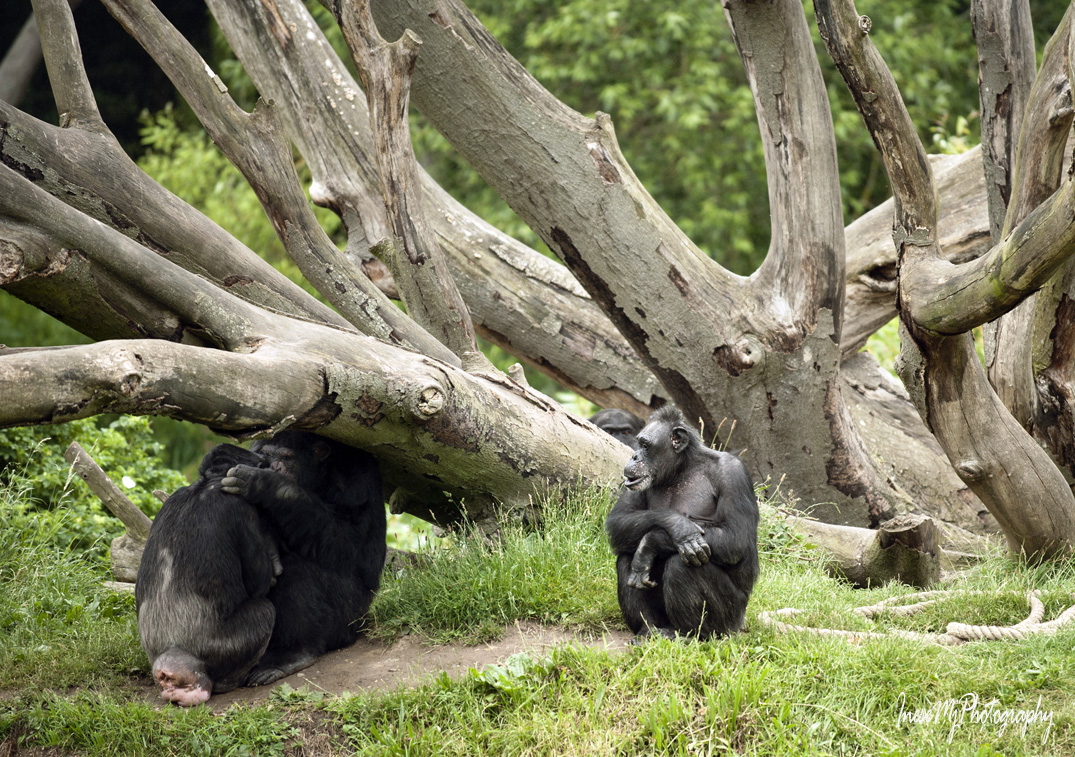
This chimp looks sad and lonely.

Dublin Zoo

Another chimp sees that and hurries to his pal to offer comfort.

Dublin Zoo

Dublin Zoo

Too late! Someone else is already there with a hug.
Dublin Zoo

Oh well.

Dublin Zoo

It is so good to have a friend by your side.

Dublin Zoo

As some of you might have guessed, I went to the Dublin Zoo to see Philip. However on that day the old Reptile House was closed as the animals were in the process of moving to the Zoorassic World. I left without answers. Later that day I emailed to the customer service and asked if they had a Water dragon in their Zoorassic World collection. A lady named Jennifer replied that they hadn’t. Then I asked if a water dragon they got from the Reptile Village has died, and she said no, he just moved to Dudley Zoo in April this year. I opened their page. The dragon didn’t look like Philip to me. I have to see the dragon to be sure as he has some distinctive features I could recognize. I don’t give up on finding Philip yet.

Thank you for your wonderful company!

inesemjphotography Have a great weekend!

Dublin Zoo I

Dublin Zoo

Dublin Zoo was opened to the public on the 1st September 1831 with 46 mammals and 72 birds on display, all donated by London Zoo. The entry charge was sixpence that later was reduced to one penny on Sundays. It was basically a shed with the animal cages housed in a random order. The animals were routinely taunted and abused by the visitors. During the Famine of the 1840 many animals died and the institution almost collapsed. Another tough time was in the end of the 1980’s. The zoo was struggling and the council considered closing it, but with the aid of the Government it eventually started to recover. At present, Dublin Zoo is a home to some 400 animals.

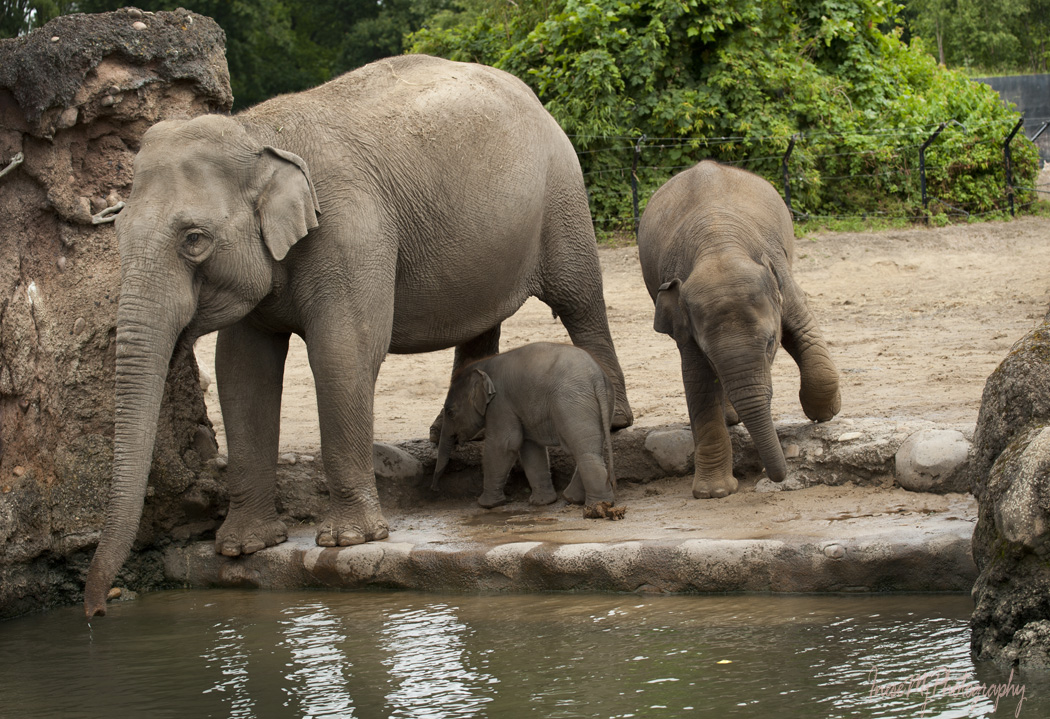
I am going to the Dublin Zoo once in a decade. I have mixed feelings about the Zoos, especially about breeding in captivity. This time there were three baby elephants born within a year.

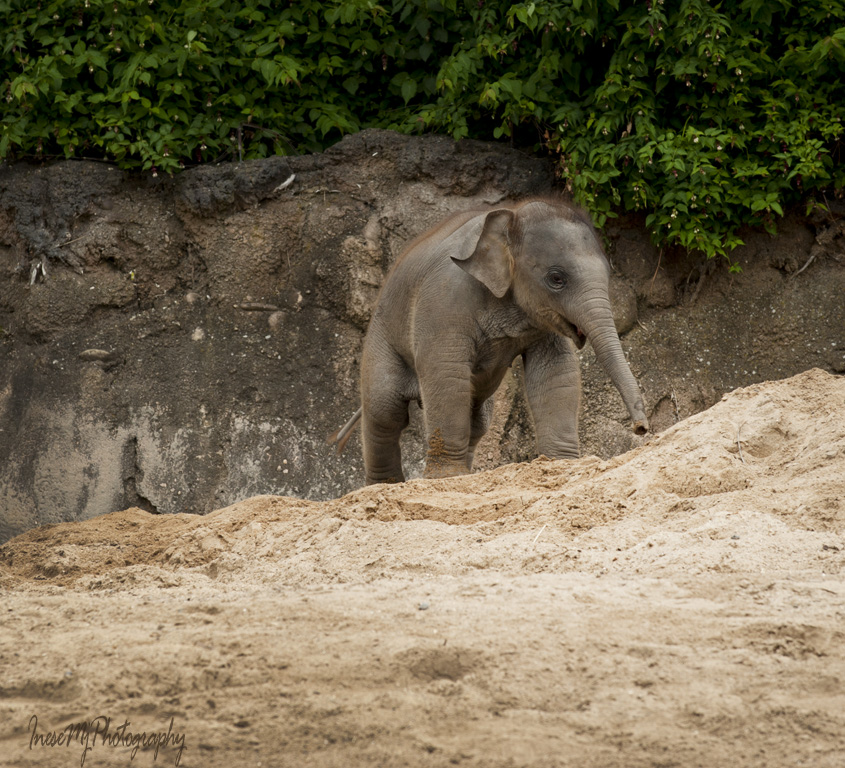
This little baby bull elephant Kabir was born to mama Yasmin in May. He is Yasmin’s fourth calf.

Dublin Zoo

Dublin Zoo

Dublin Zoo

The other two baby elephants are Zinda born in September 2016 and Avani born in March this year, both girls.

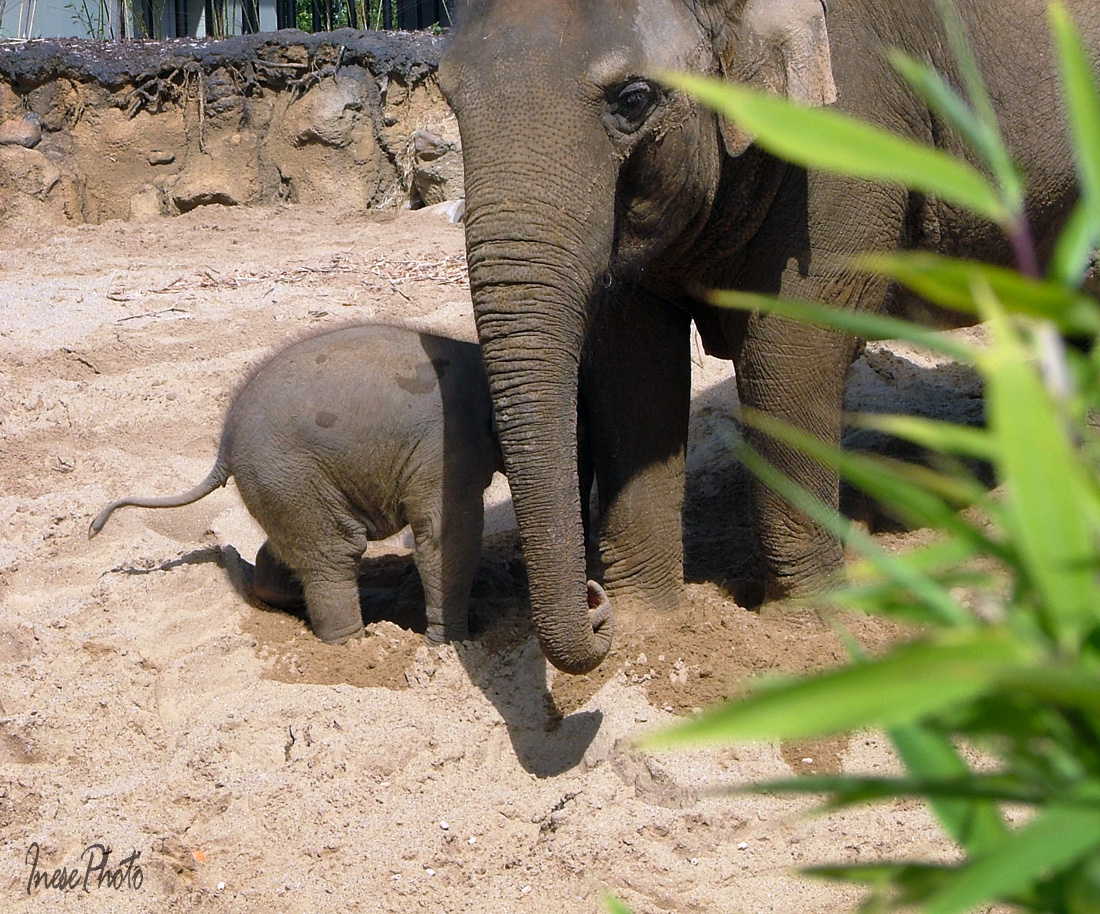
Zinda’s mum Asha was the first Asian elephant born in Dublin Zoo back in 2007, the year of my previous visit (picture below). She was hiding behind her mother and I had a hard time taking a good picture of her.

dublin zoo 2007

Asha’s mum and Zinda’s grandmother Bernhardine is still alive. She is the matriarch of the herd.

Dublin Zoo’s first elephant was a female called Sita, and her keeper was James McNally. In 1903 Sita cut her foot and as James was applying ointment to her wound, she knocked him down with her trunk and stamped on his head. The coroner decided she had acted out of malice and sentenced her to death. Nearly 30 years of good behavior prior the accident didn’t help, and after two days an experienced elephant hunter and a firing squad did the killing. Even McNally’s son said that his father would not have wanted the animal killed.

Sita’s stamping foot was preserved as an umbrella bucket in the Zoo cafeteria for decades.

I didn’t have a good view of the other babies – you see Zinda in the middle and Avani on the left. They look happy, but their future is unclear.

Dublin Zoo

Another set of cute babies –  Tamworth piglets.

Dublin Zoo

Dublin Zoo

Dublin Zoo

Not a baby anymore but still good looking 😉

Dublin Zoo

African Red river hog, shy nocturnal animal with long tufted ears.

Dublin Zoo

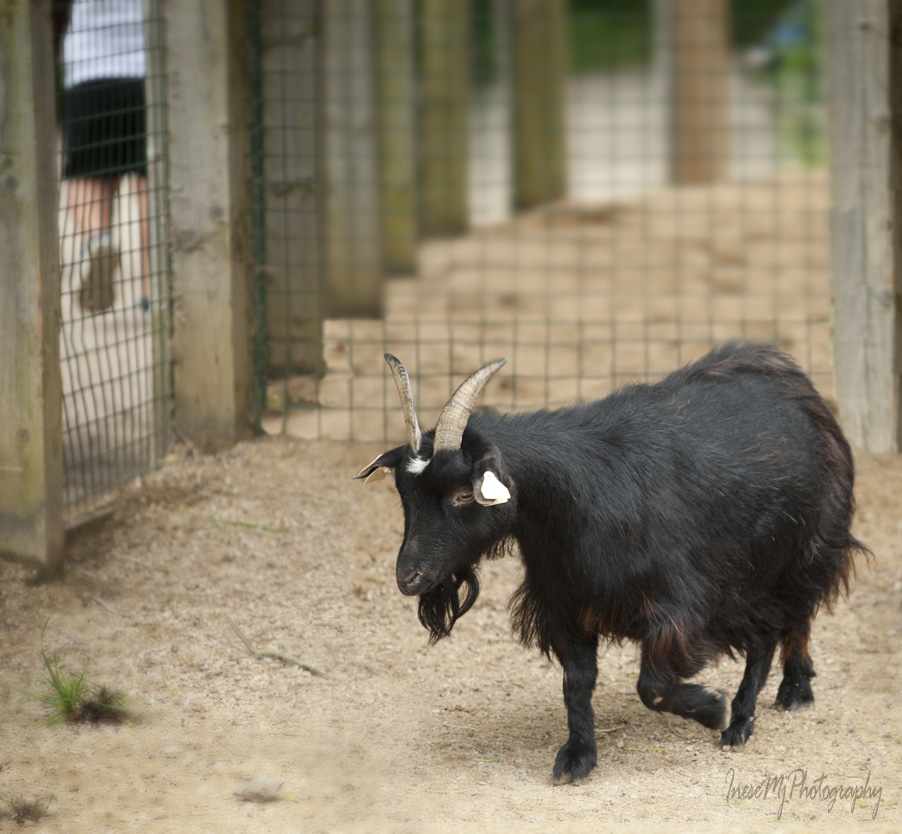
Just a billy goat from the Family Farm.

Dublin Zoo

Bored chicken from the Family Farm.

Dublin Zoo

Southern white rhino, endangered species. They have a big herd here in Dublin Zoo, and a male calf was born last August.

Dublin Zoo

More than 100 animals died at Dublin Zoo during the 24 month period from 2014 to 2016, among them Southern white rhinoceros, two Rothschild giraffes, three grey wolves and a red panda.

Rothschild giraffes in 2007. They are no more.

dublin zoo 2007

Red panda in 2007. Gone.

dublin zoo 2007

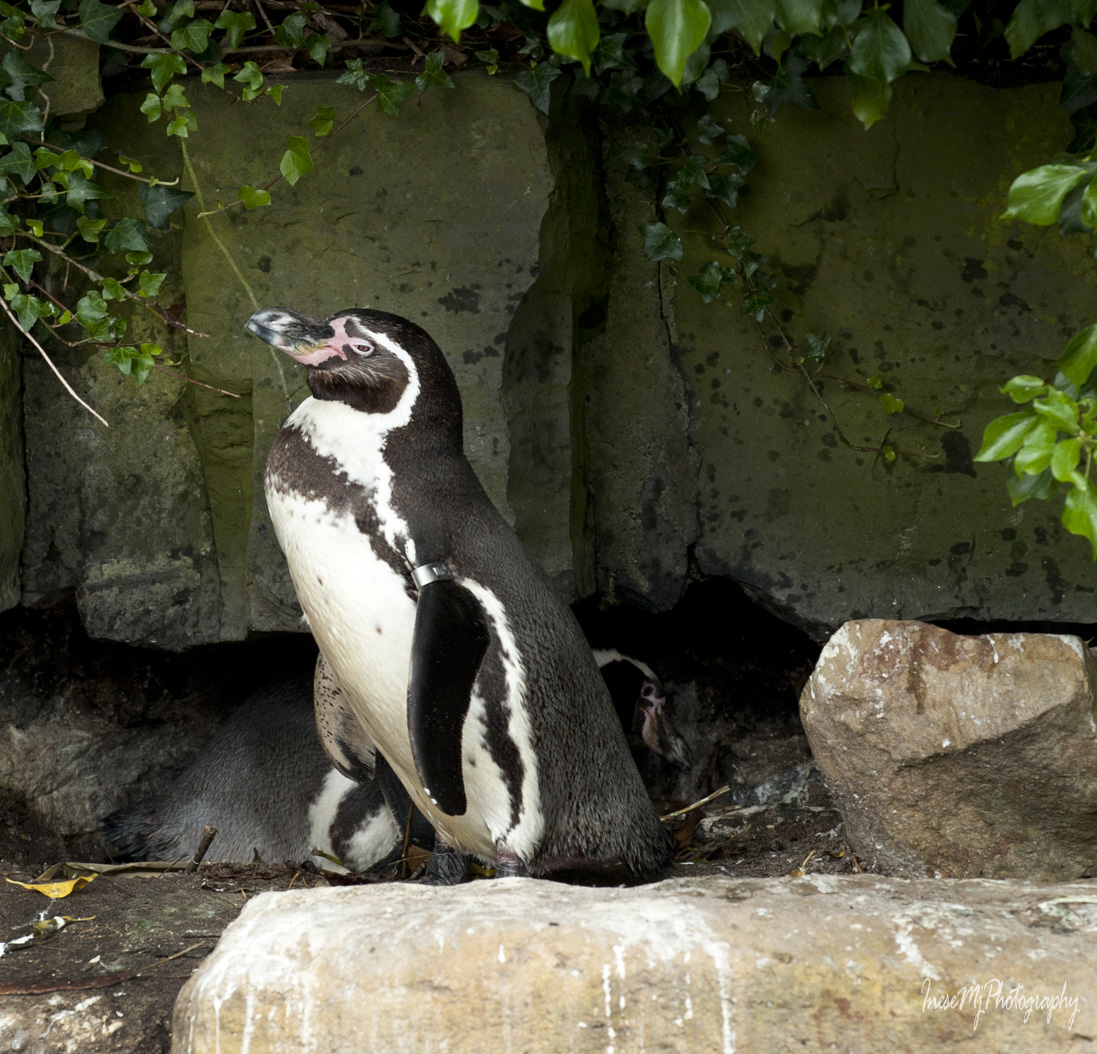
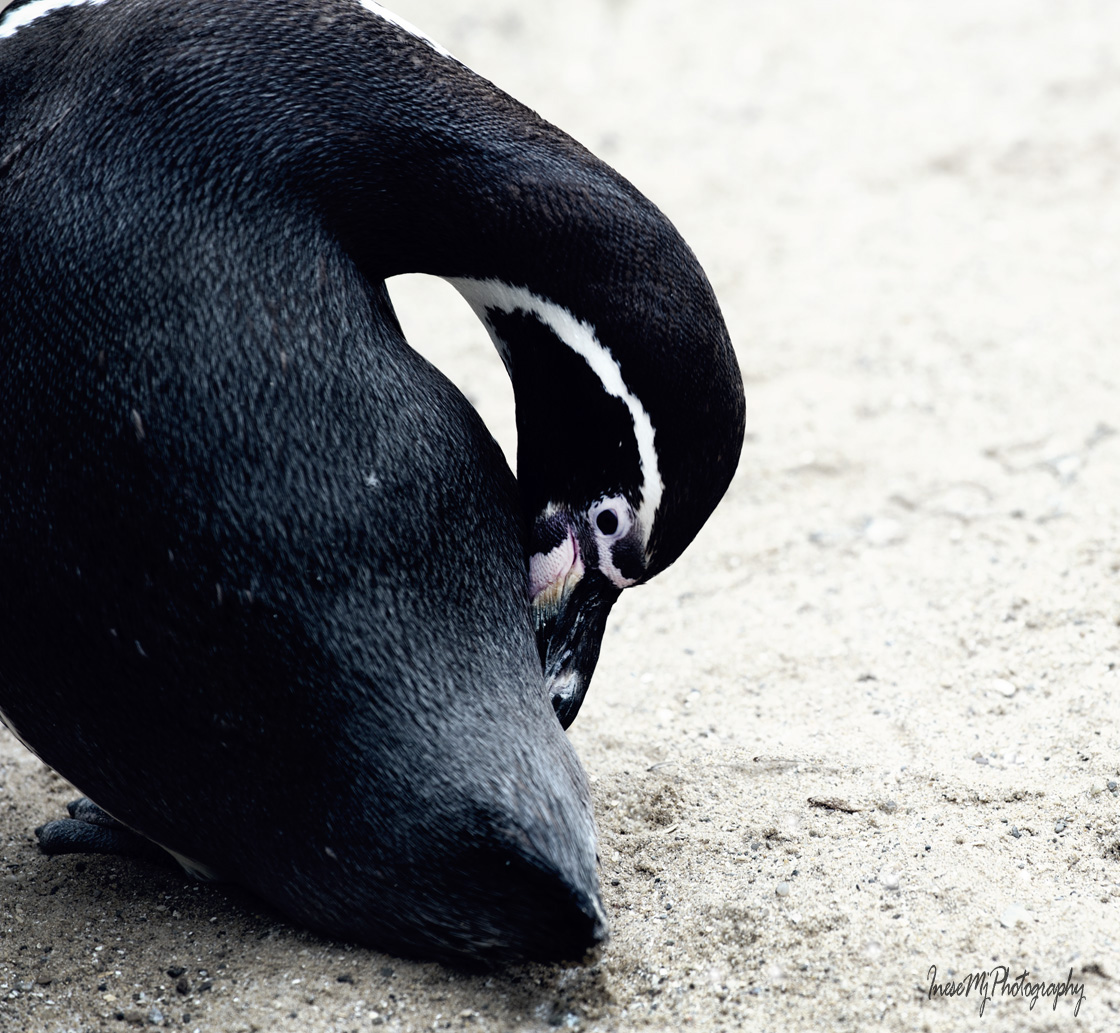
Humboldt penguins are very quiet. Ten years ago there were more of them, and I remember the sounds they made – trumpet-like, even elephant-like.

Dublin Zoo

This picture is 10 years old. Three Humboldt penguins died in 2015. There are fewer than 12000 of the penguins left in the wild..

Dublin zoo 2007

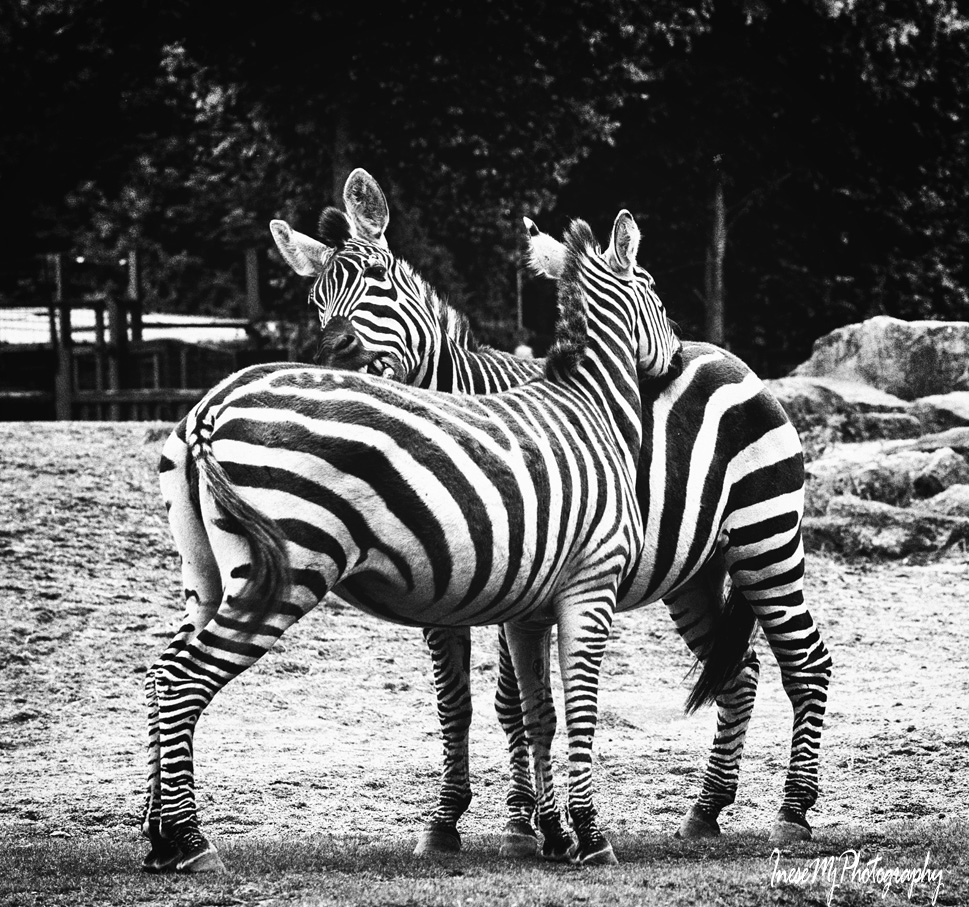
Penguins and zebras look good in monochrome pictures.

Dublin Zoo

Dublin Zoo

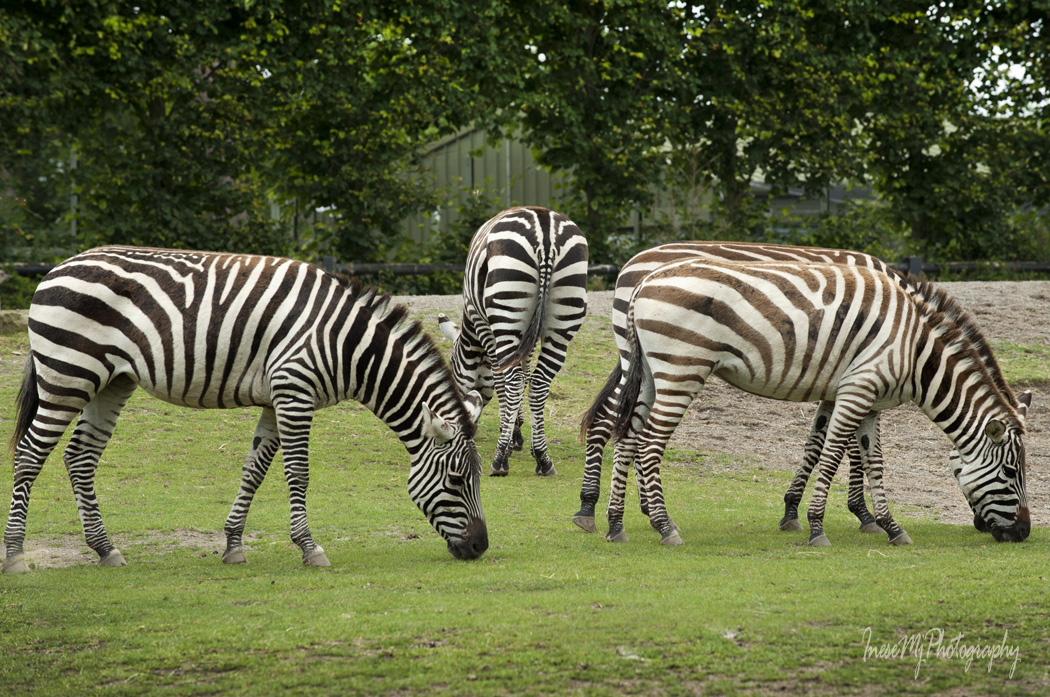
I love these neat animals.

Dublin Zoo

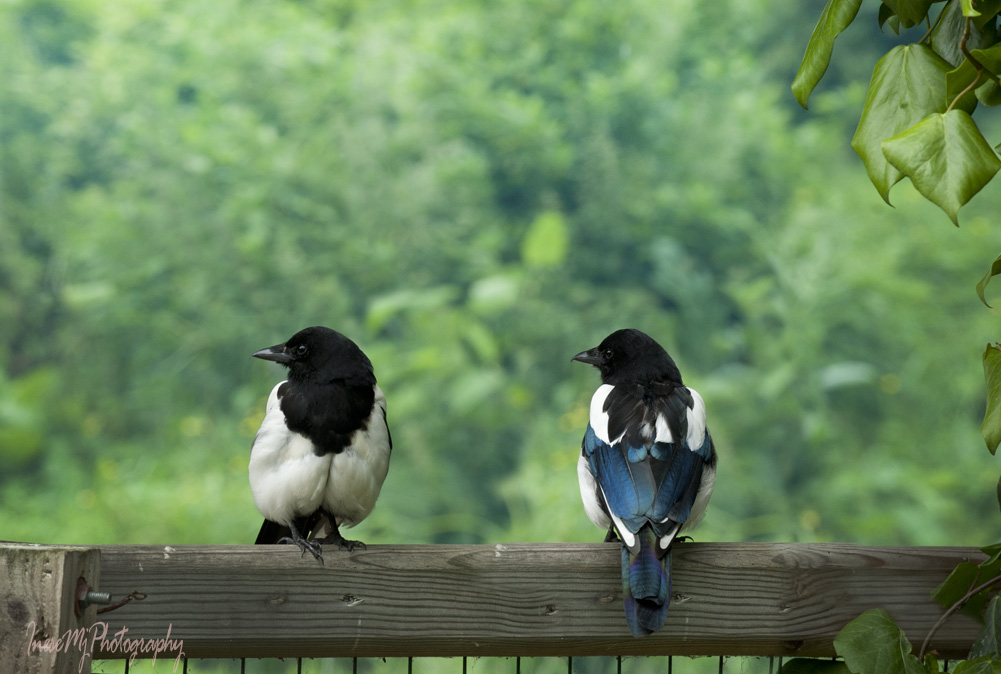
Another black & white favorite – European magpies. They are living in the zoo along with many other wild birds including a Grey heron. I saw him in 2007 and he is still alive, still hanging with penguins and probably stealing their fish 🙂

Dublin Zoo

Here are some links you might be interested in:

National Animal Rights Association, Ireland

Captive Animals’ Protection Society (CAPS)

Thank you for visiting Dublin Zoo with me. One more post next Saturday.

inesemjphotography Have a wonderful weekend!

Harvest festival in Waterford, 2017

As we crossed the Knockmealdowns and returned to County Waterford, why not to visit Waterford city again, especially on a Harvest festival weekend.

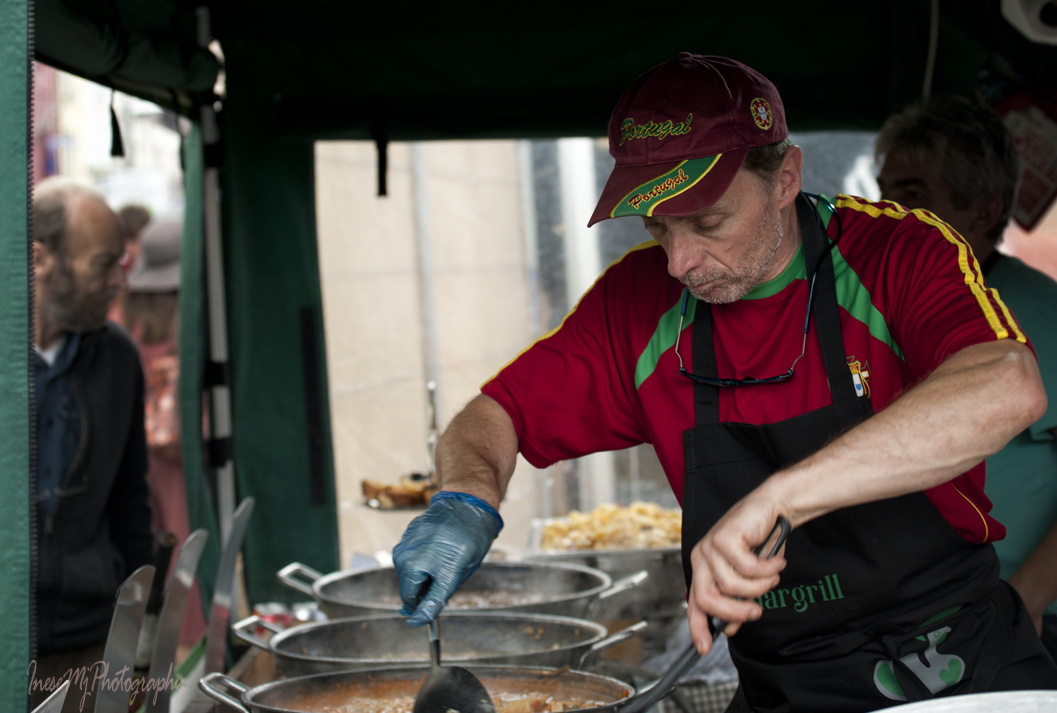
Harvest festival is a lot about eating and being merry. Parnell street is turned into an outdoor restaurant, live music is playing, some people are cooking and all the other people are eating.

Cuisine from around the world.

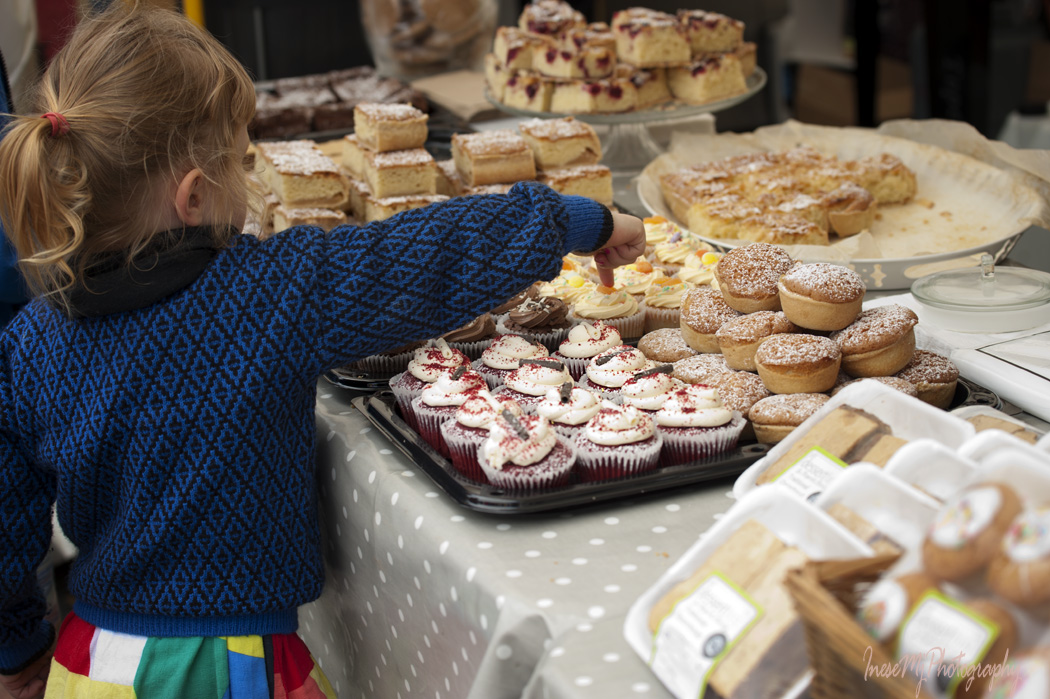
And cakes, cakes and more cakes! I got a bag of delicious homemade marshmallows – passion fruit flavor, yum.

Apple juice from the award winning Clashganny organic Farm. 

Banana bread from Dunmore East Amish Mennonite community bakery.

Organic vegetables from GIY Waterford, which stands for, of course, Grow It Yourself.

This is Síona from GROW.

She and her colleague are running the Grow Cook Eat stand, and I can see that it is popular and many people stop by to get a brochure. GIY is a not-for-profit enterprise dedicated to supporting, educating and inspiring people to grow some of their own food.

I am a huge fan and supporter of the GIY idea. It is not only about food. It is one of the aspects of carers mentality. Care for the Earth, resources, health, life.

GROW headquarters in Ardkeen offer a great variety of classes and workshops, including yoga and mindfulness meditation, chicken and bee-keeping, fermented drinks and beer brewing. Just everything.

I am moving from one location to another looking for some craft workshops, but cannot find any. Last year there were plenty – some of them were featured in my blog.

Honey harvest stand looks and smells beautifully.

This man is selling miniature Standing Stones. They look cute and I would love to talk about them with the artist himself, but I am afraid he doesn’t like photographers 😉 As far as I know the artist’s name is Peter Atkins, from Waterford. The replicas he makes are really cute 🙂

But this beautiful lady from Ballybeg Greens likes photographers. Good for her!

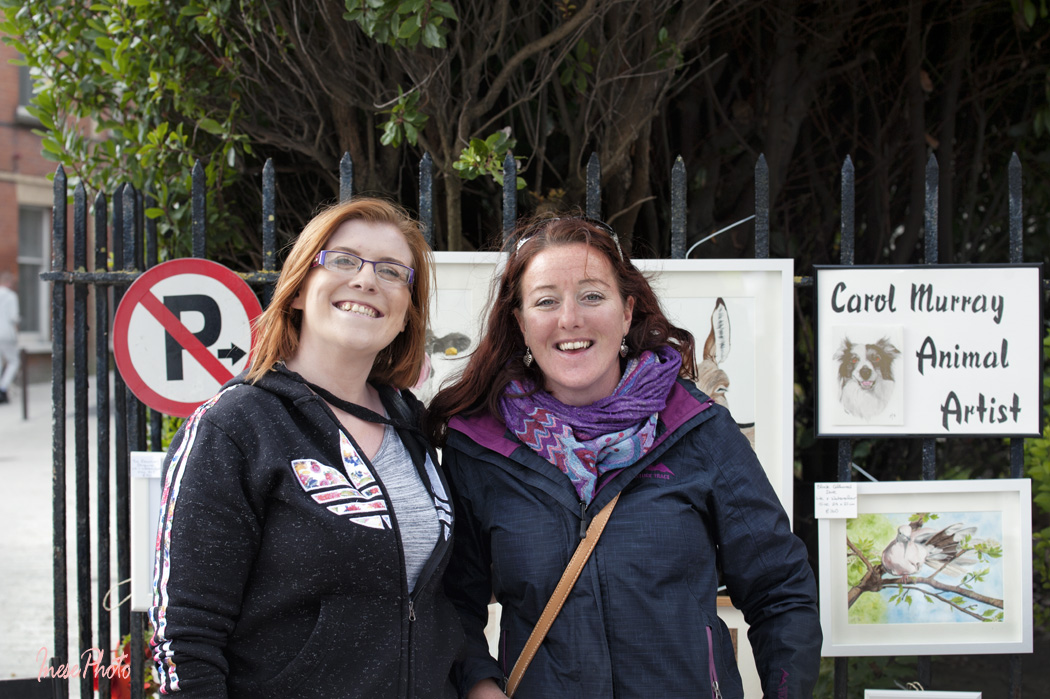
I spot a pair of donkey ears in the painting. Carol Murray’s works are here as a part of the outdoor exhibition Art on the Railings where young and established artists of different mediums can hang their artwork in the Viking Triangle.

And look who is here! My ‘friends’ from Dunmore East 🙂

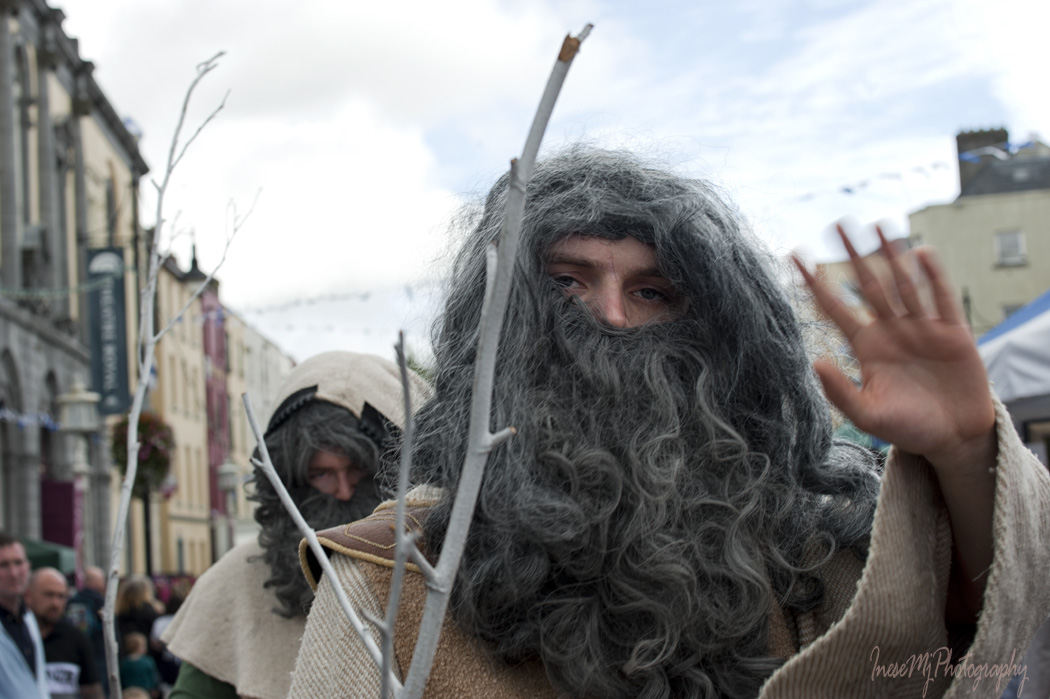
Of course these two gentlemen had nothing to do with the incident at the oyster farm 🙂 They were nice and didn’t mind to be photographed.

These poor creatures deserve a word of mention. They had to wear heavy wigs and thick garb, and those creepy ride-on costumes with fake legs… No wonder they looked so sad. They didn’t even have a proper walking staff to keep their balance and had to use tree branches …

… while there were hundreds of beautiful Shillelaghs!

I just couldn’t take my eyes off all those cute animals.

I hope you enjoyed the festival. Next week we are going to Dublin.

inesemjphotography Have a wonderful weekend!

Waterford Greenway: Kilmeadan

Waterford Greenway

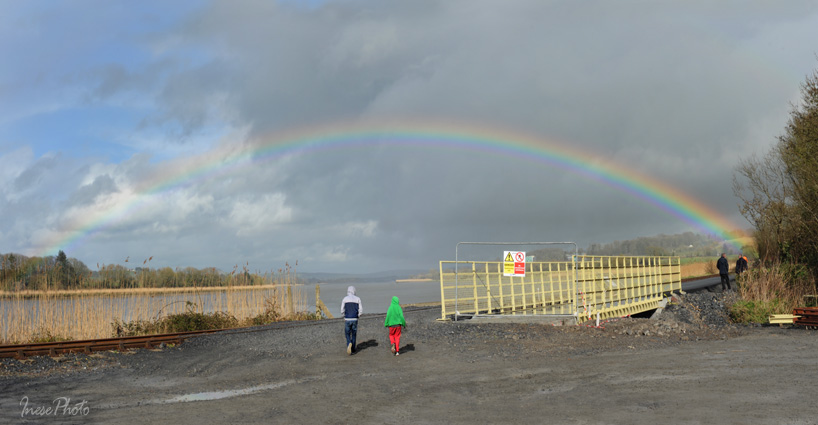
There might be some truth in that Carriganore myth about the hidden treasures because the end of the rainbow is right there by the river bank. We leave the rainbow behind and resume our walk to Kilmeadan station.

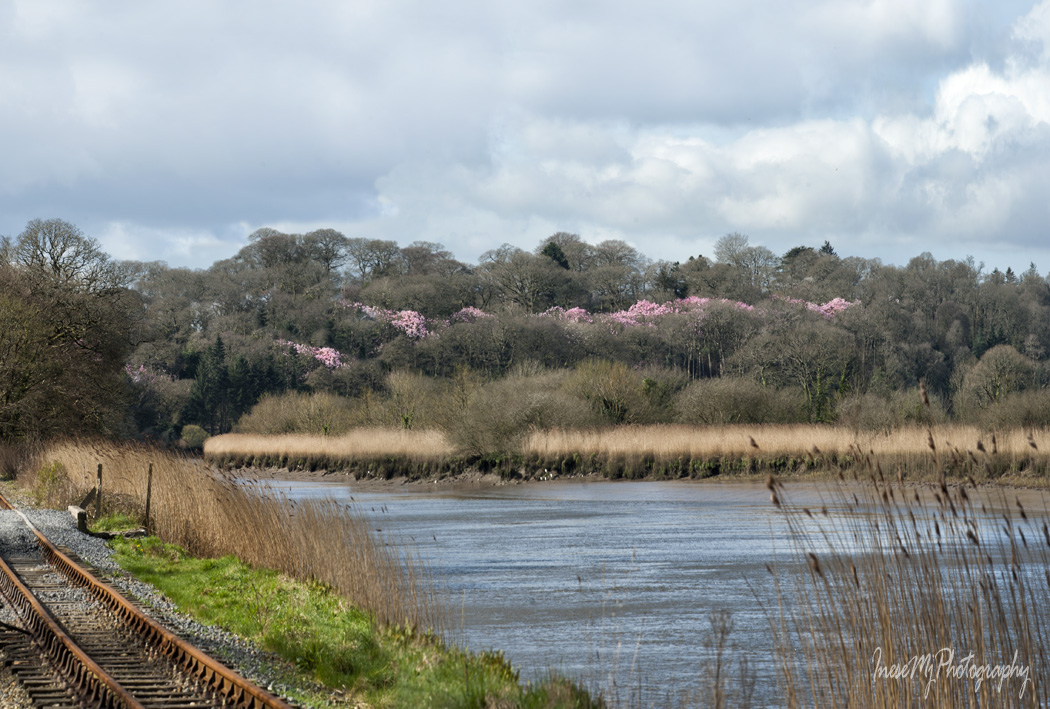
River Suir makes a sharp bend. The pink froth you see among the trees on the other side of the bend are Magnolias from the Mount Congreve gardens, in some 15 minutes walk from here.

Waterford Greenway

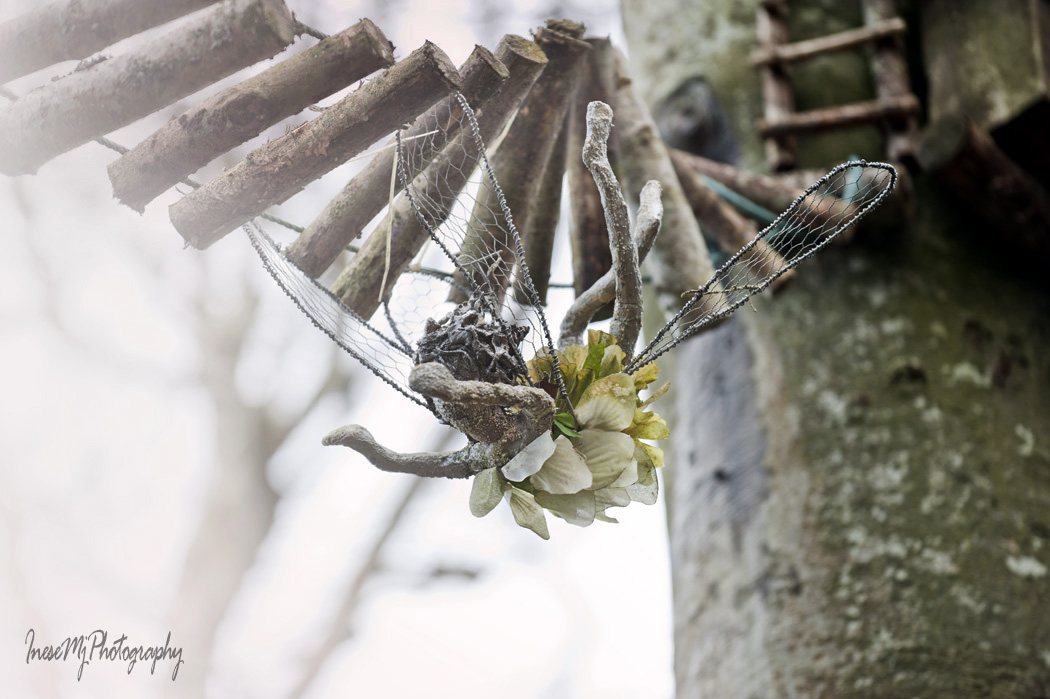
But first we walk through the Magic Wood where Fairies and Leprechauns live happily together 🙂

There is a whole city in the trees with lovely little houses, ladders and bridges. It is well hidden in the summer but now the fairies are in the open, and have to pretend that they are not real, otherwise the passers-by will annoy them with questions. I would advise you to make a wish as you pass by without disturbing the fairies. I made a mistake of entering the Woods for these pictures. When I climbed down to the road, I heard a sound of breaking plastic in my pocket. I was terrified, I thought it was my car key, but it was only a plastic barcode tag from the Applegreen petrol station. I have a spare one, but the fact is that I had it for years, and it broke exactly when I was exiting the Fairy Wood. Did I get a warning from the Fairies? Just don’t tell me it was a coincidence 😉

Waterford Greenway

Waterford Greenway

Finally we reach the Mount Congreve garden wall. The gardens are massive – 70 acres of planted woodland and 4 acres of walled garden with impressive 16 km long net of paths.  They say it will be possible to enter the Gardens from the Greenway: for this purpose there is a long platform under construction. I don’t know why people would go to the Gardens from the Greenway if there is a main entrance, but may be someone will.

There are many different magnolia trees that you can see from the railway.

Some of them are very high.

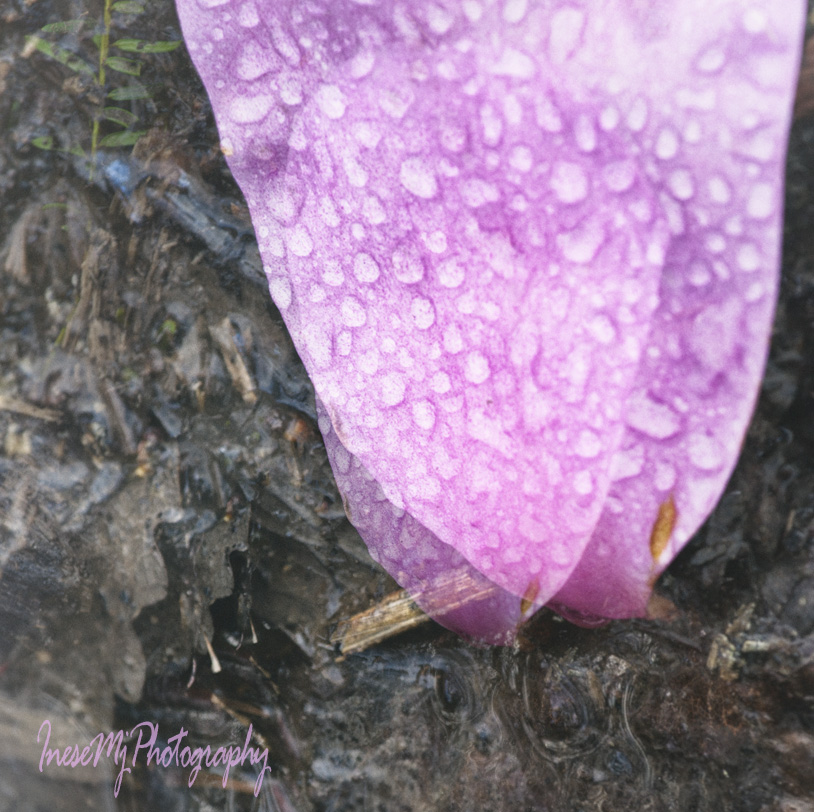
Beautiful huge petals cover the path. I took a double exposure picture of one adorned with the dew.

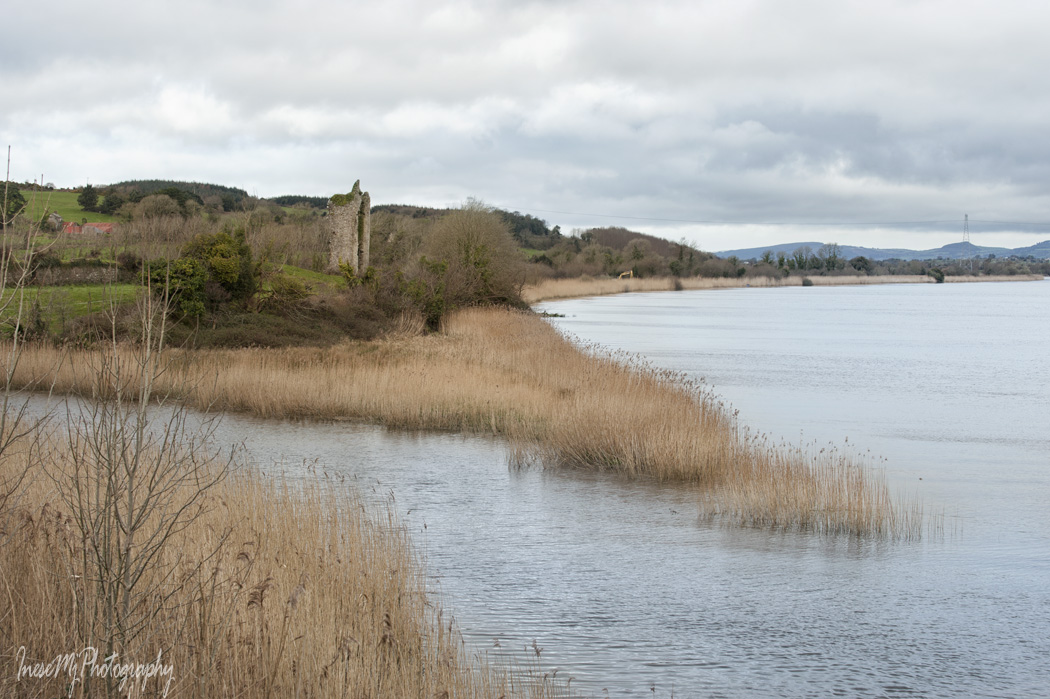
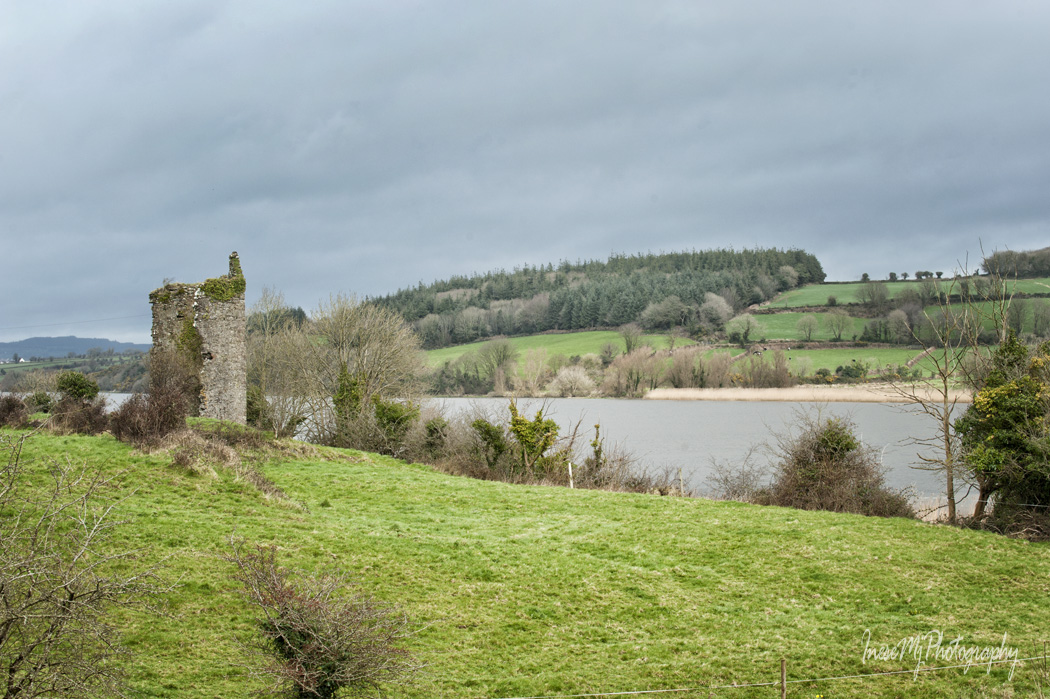
Kilmeadan Castle stands by the River Suir junction with a tributary, on the site that was granted to the Power family (le Poers) in 1307 but was apparently destroyed during Cromwell invasion. I wrote about the Power family in my blog about Dunhill castle which they also owned.

This structure was built on the foundation of the old castle later in the 17th-18th century. The site looked different then, beautifully landscaped, surrounded with plantations of timber trees, canals and gardens.

Waterford Greenway

Bridge across the tributary, still in the process of reconstruction.

Waterford Greenway

A closer view. You can see the ruins of the Courtyard. The structure that looks like a tower is not actually a tower anymore – just two walls with a gap between them.

Waterford Greenway

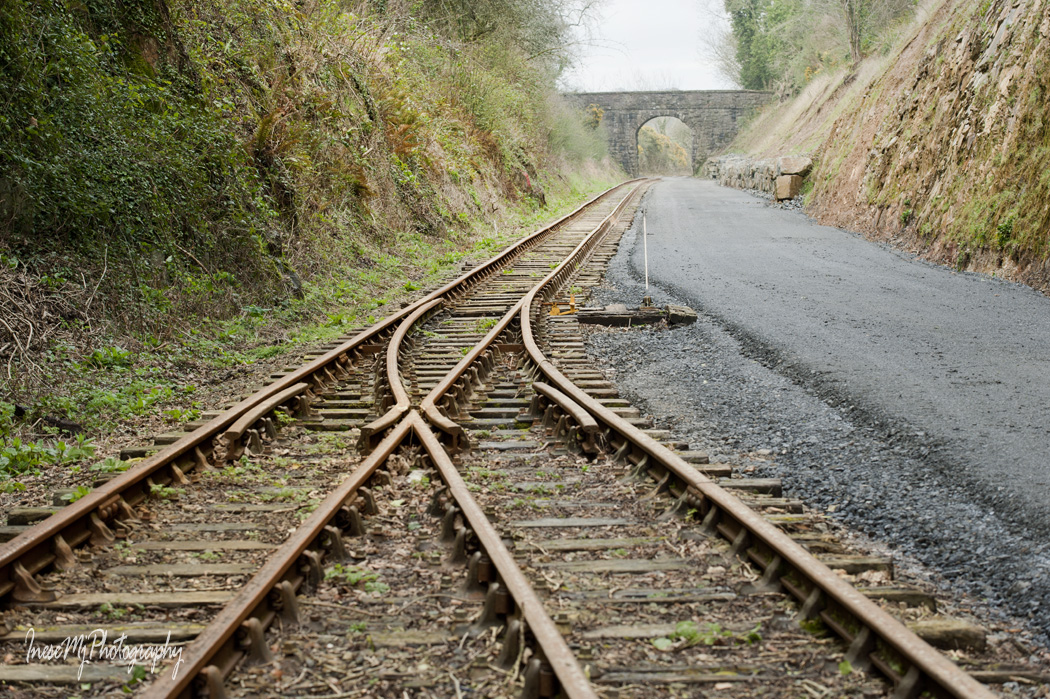
The railway tracks take us further to our destination – Kilmeadan station.

Waterford Greenway

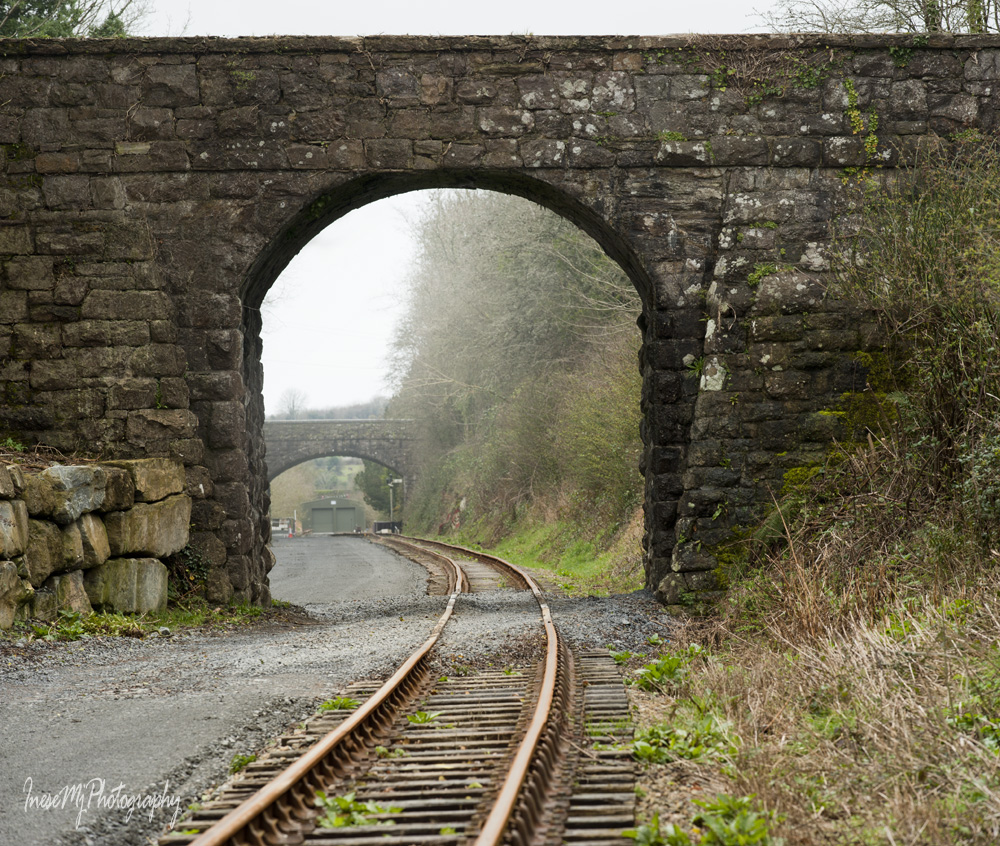
Two roads cross the railway over the old stone bridges.

Waterford Greenway

Waterford Greenway

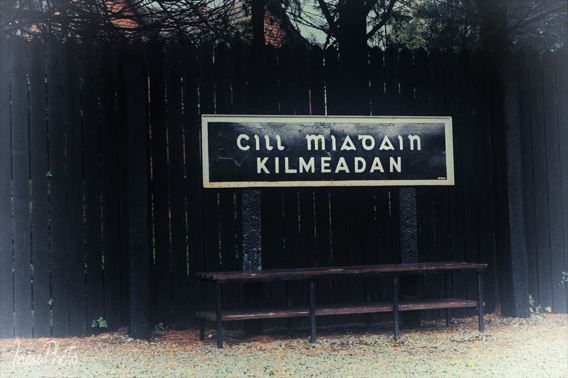
Finally we reached Kilmeadan. Here is some useful information if you want to take a ride.  The photographs in their website were taken before the construction of The Greenway, and there is a sad but necessary change of scenery since the jungle has been cleared to accomodate the cyclists. I don’t know if it makes me happy though. Too many species of birds lost their habitats and were scared away.

Kilmeadan station was closed to passengers in 1967 and beautifully restored by Suir Valley Railway  Heritage group 35 years later. A Simplex locomotive pulls two open carriages travelling at a grand speed of 15 km/ hour. Enough to enjoy the ride.

Railway carriage serves as a ticket office and shop. There are indoor tables and a picnic area. The railway tracks don’t go any further.

Waterford Greenway

This is where we finish our walk. Next time I will drive you to Kilmacthomas to visit a very exciting stretch of the Greenway. Thank you for walking with me. Stay fit! 😉


To the blogging community – thank you for your patience, I will catch up next week.

inesemjphotography Have a wonderful weekend!

Waterford Greenway: River Suir

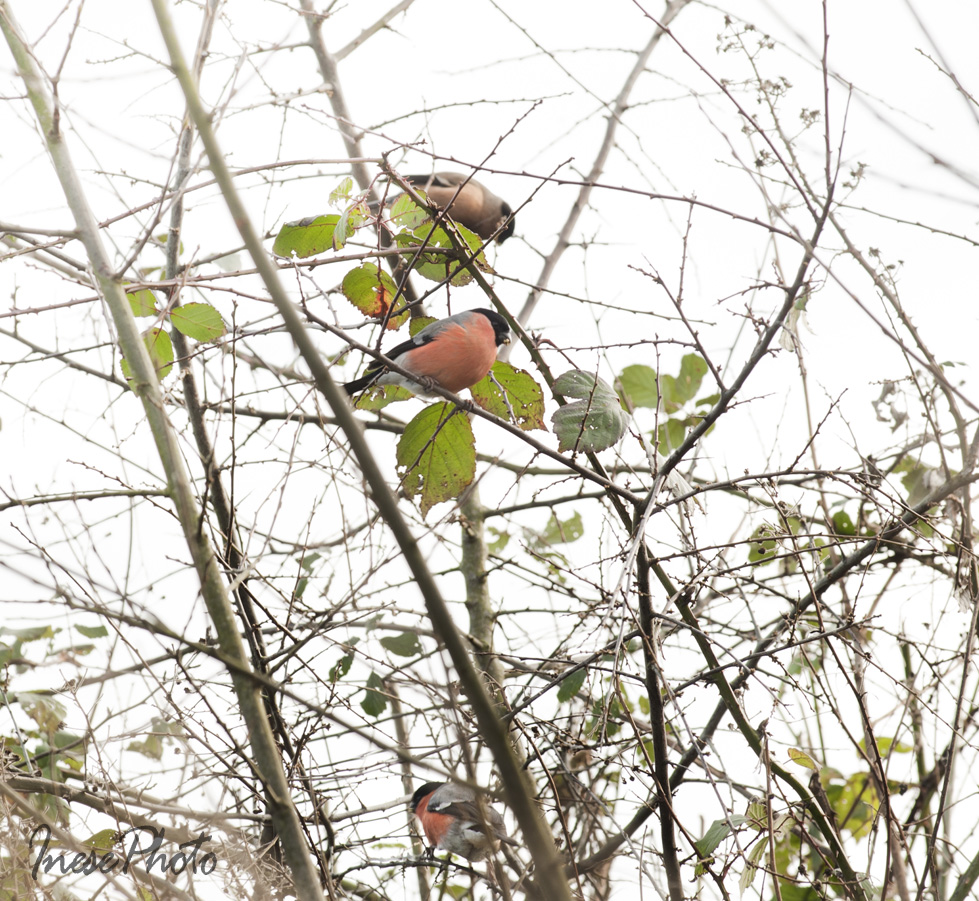
Walking downhill to the tunnel I heard familiar gentle, somewhat melancholic whistles. My heart skipped a beat  – Bullfinches! First time this year! I looked around and saw three birds, two males and a female, quite afar, and in the blinding sunlight. I took pictures, and stood there with a huge smile on my face. I so love these birds, their stocky bodies and unhurried manners. They don’t have the cheerful voice and funny curiosity of Robins, but their quiet presence is so soothing and comfortable 🙂

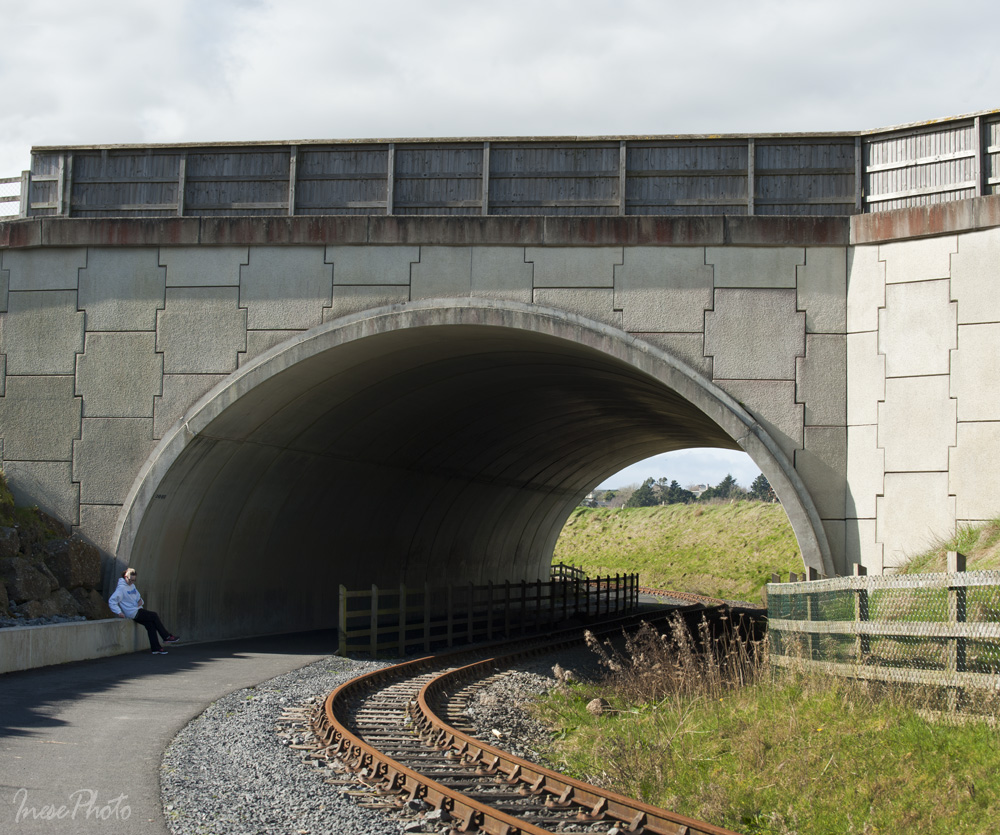
We meet again and resume our walk along the River Suir. This tunnel was built under the bypass to facilitate the railway. Notice the combination of a steep downhill gradient and a sharp curve.

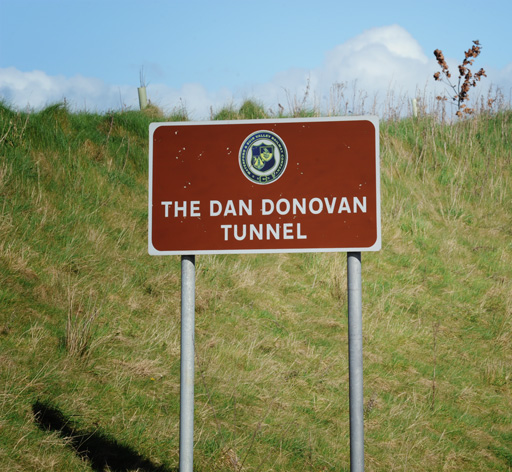
Donovan tunnel

Dan Donovan supervised the laying of this railway track.

A look back at the River Suir Bridge.

Waterford Greenway

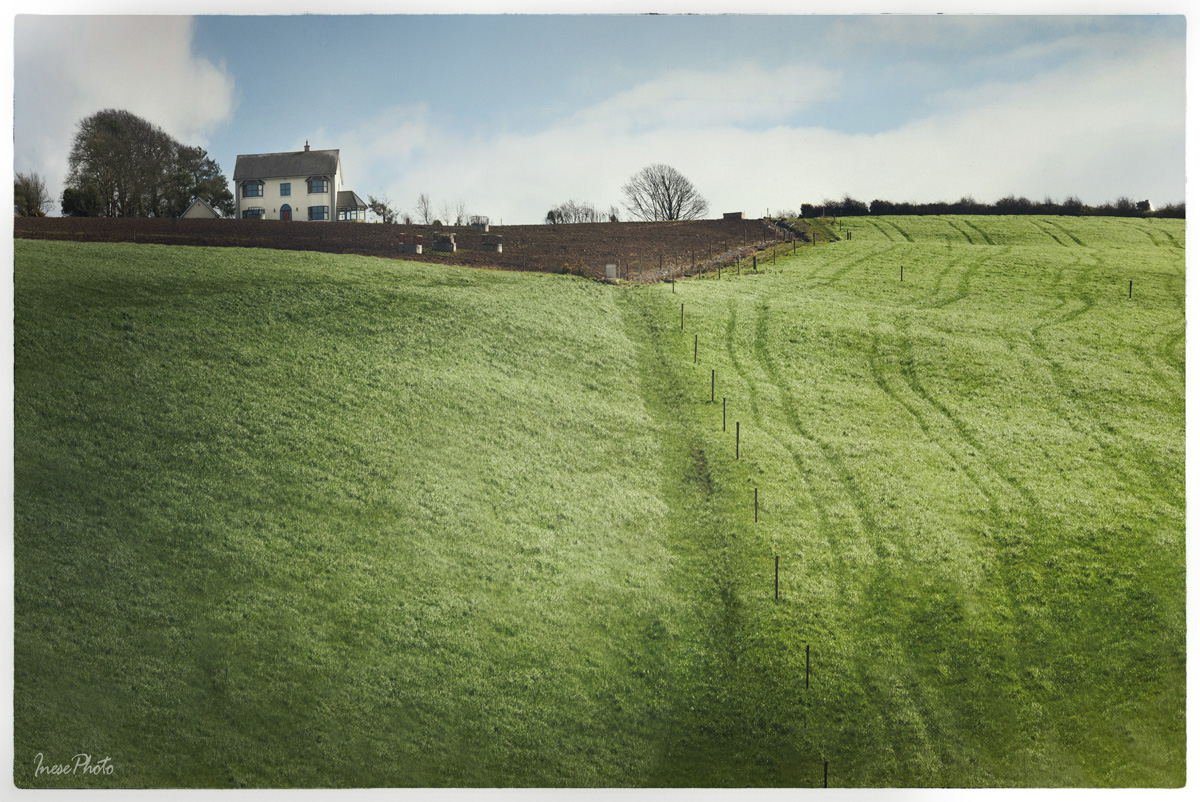
Beautiful views on the both sides of the track – lush green countryside and tranquil River Suir, charming at any season of the year.

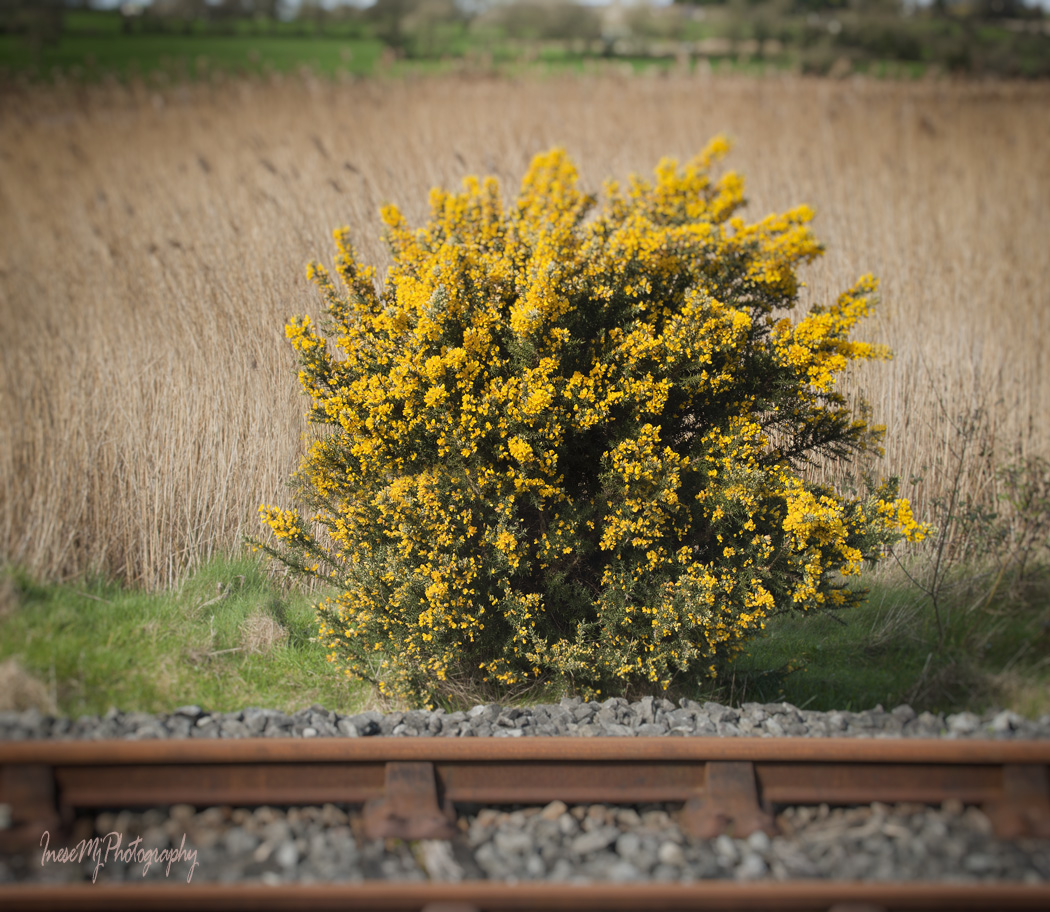
Gorse bushes are in bloom and smell like honey.

This is one of the sharpest curves on the line.

Waterford Greenway

Here the cycling path deviates from the railway track. I walked both.

It was fun walking on the tracks between the river and the thick wild growth of brambles, thorny bushes and reed grass. I felt like I was cut off from the rest of the world.

Waterford Greenway

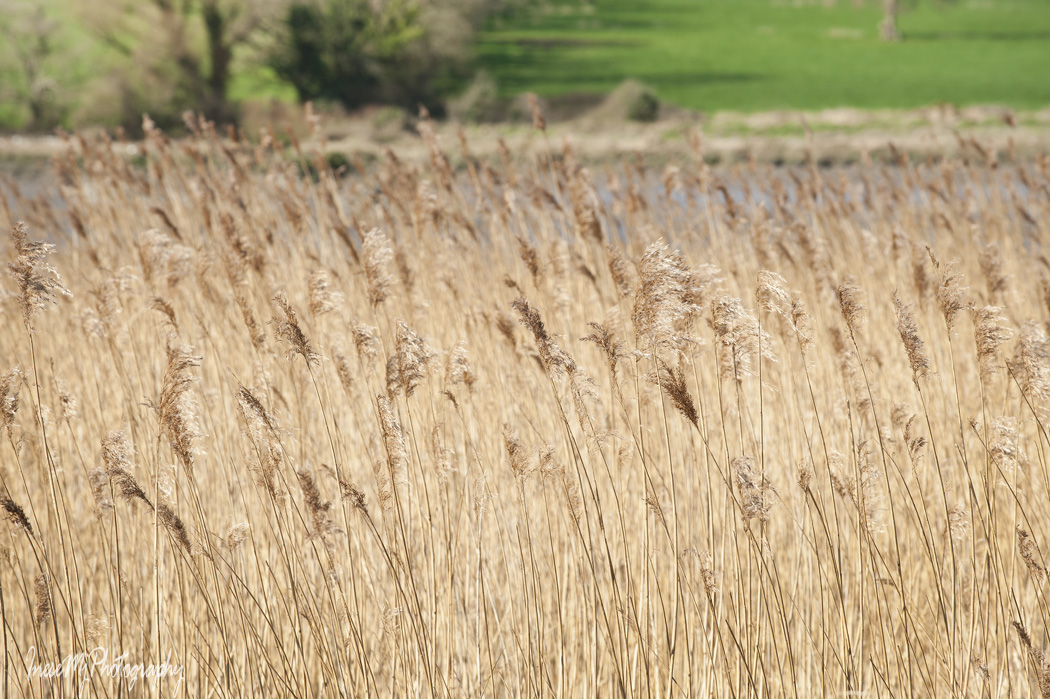
Dry yesteryear reed grass was making calming rustling sounds – actually there were no other sounds, and I didn’t see any birds.

The reed grass jungle looks more beautiful in winter than in summer, especially when it is bending in the wind and has that silvery silky look.

I took some double exposure photographs – one of dandelions…

… and one of a wild plum blossoms.

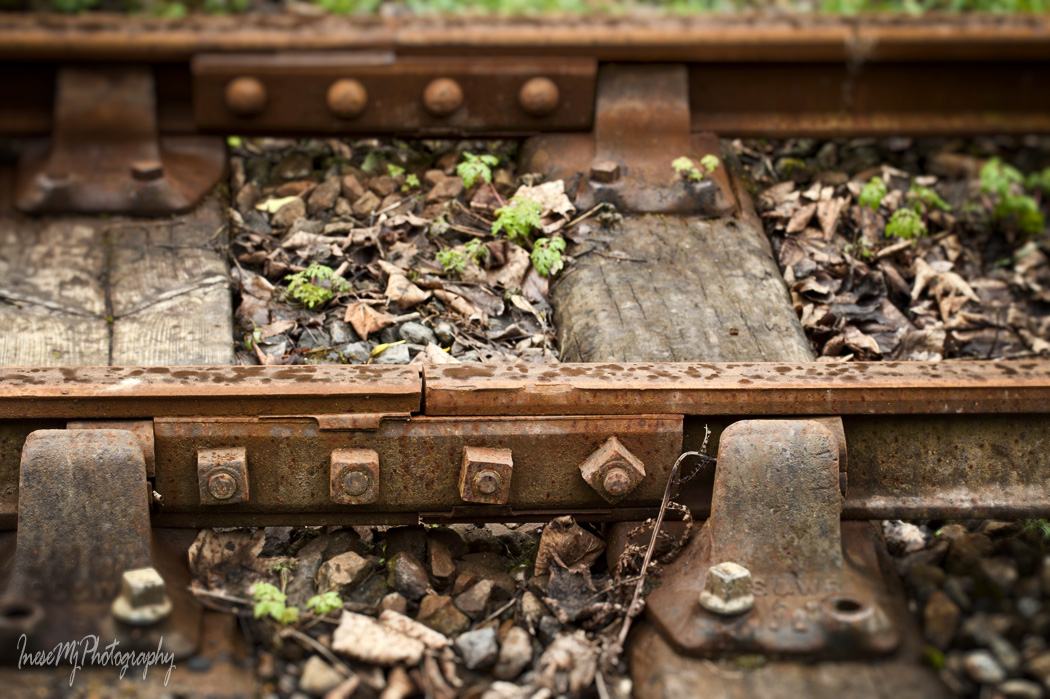
Looking at the new growth I thought about the wildlife in the area. These gentle weeds that are poking through the track bed will grow and obstruct the path. Will the maintenance team use herbicides? My thoughts went to the little Robin.

Another  look back. The buildings in the background belong to the new campus of Waterford IT. The campus is situated on the banks of the River Suir in Woodstown and Carriganore, or Stone of Gold in Irish. Woodstown is the site where numerous Viking era artifacts were found when the area was inspected before building the motorway. There were no indications that the Woodstown site could have any historical importance, but there has always been a myth  that Carriganore was the place where the merchants of Waterford buried their treasures hiding them from Cromwell. Finally, 39 test trenches were excavated in Carriganore in 2007 but nothing significant was found, only a few pieces of broken pottery ( 19th-20th century).

On the right side of the tracks there are old lime kilns. When putting up this blog I realised that I have never taken a single picture of them, because they just look boring, and they are also obstructed with some construction materials. You see many lime kilns when you travel around Ireland. The practice of burning lime was very common in the last century. The lime was used as fertiliser. The wood for fuel was brought from across the river by boat.

I have got a word that there is a Barn owl living in the kilns. I am not sure whether it is still living there with all these construction works, cyclists and dogs.

Waterford Greenway

This is where I parked my car. Next week we will resume our walk from here.

Waterford Greenway

Thank you for joining me for this walk.

Due to special circumstances, I am closing comments on this post and also on some of my future posts. I am very sorry and hope you will bear with me ❤

inesemjphotography Have a wonderful weekend!